Rio's Historic Center Free Walking Tour
2h45 · rated 8.8/10 in 3,388 reviews
Guided in English
Reserve a spotRio's best things were never behind a ticket desk. The beaches from Leme to Leblon, sunset on the Arpoador rock, the sea wall in Urca, the forest trail up Morro da Urca and the samba at Pedra do Sal are all free, every week of the year. The big names are not: Christ the Redeemer, the Sugarloaf cable car and the Botanical Garden all charge, and foreigners pay R$ 80 at the garden. Downtown makes up for it. CCBB, MAM, the Paço Imperial and the federal museums let everyone in for nothing, and MAR is free every Tuesday. The real cost of a free day here is attention, so read the safety notes.
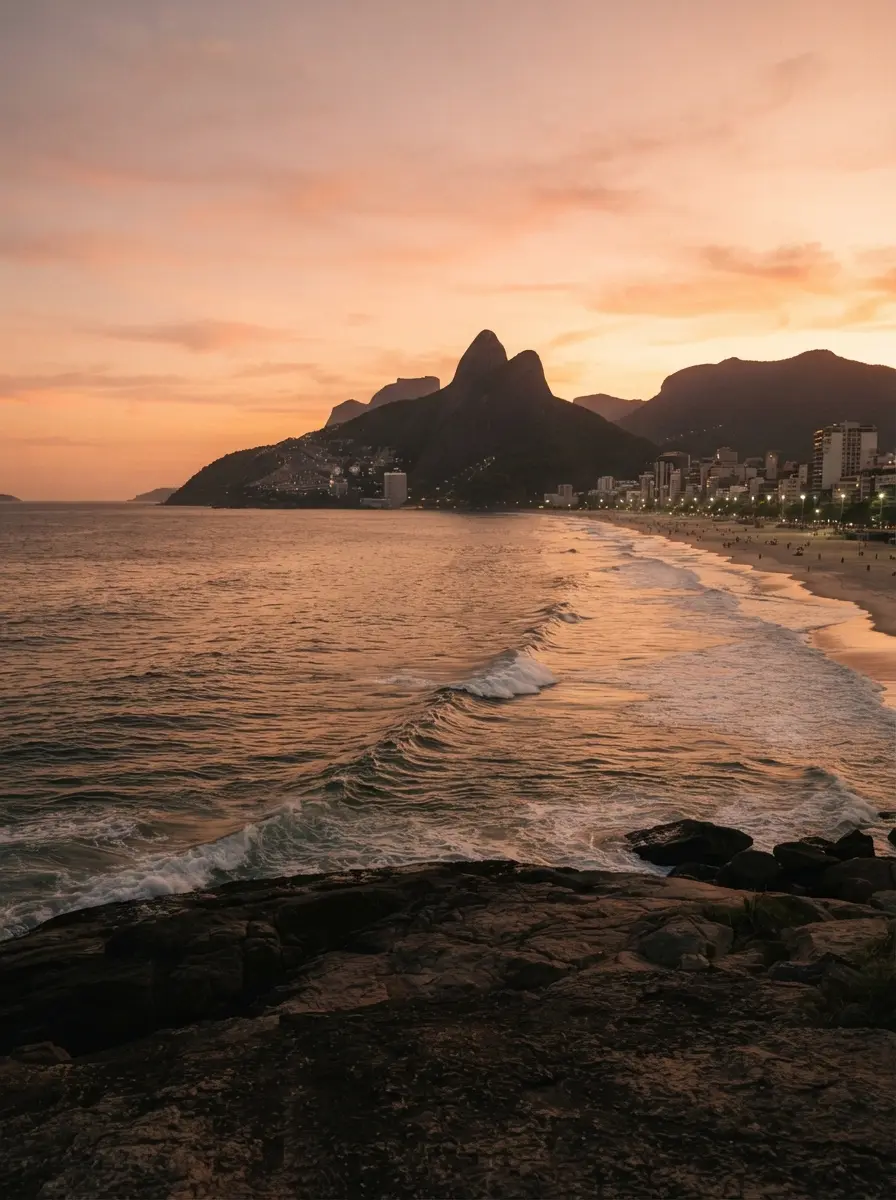
These have no fixed price. You reserve a spot, and at the end you tip the guide what you think the tour was worth.
2h45 · rated 8.8/10 in 3,388 reviews
Guided in English
Reserve a spot3h · rated 9/10 in 1,921 reviews
Guided in English, Portuguese
Reserve a spot2h30 · rated 9/10 in 853 reviews
Guided in English, Portuguese
Reserve a spotSpots are booked through Civitatis.
Open to everyone, every day they are open. No ticket to buy.
 FREE
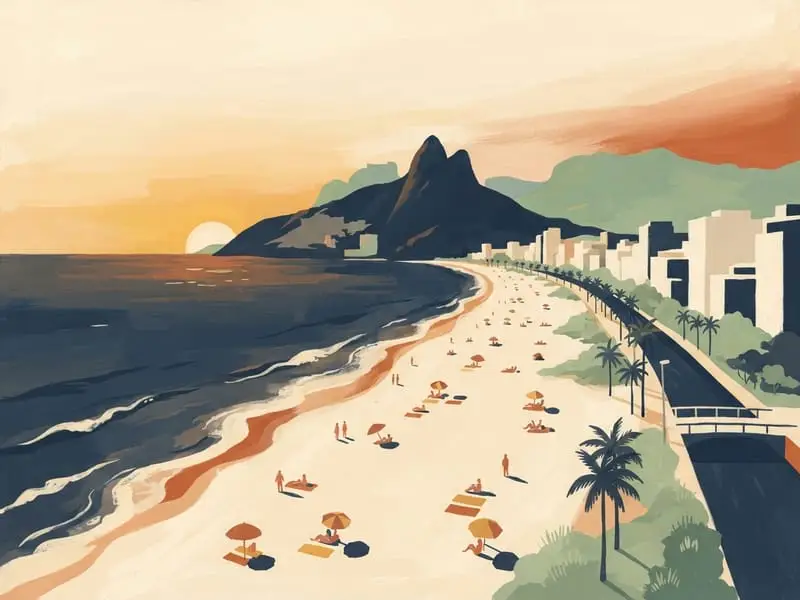
FREETwo kilometers of sand from Arpoador to the Jardim de Alah canal, with the Dois Irmãos peaks at the far end. The numbered lifeguard posts are how locals say where they are.
 FREE
FREEA granite headland between Copacabana Fort and Ipanema. People climb it late in the day, watch the sun drop behind Dois Irmãos and clap when it goes.
 FREE
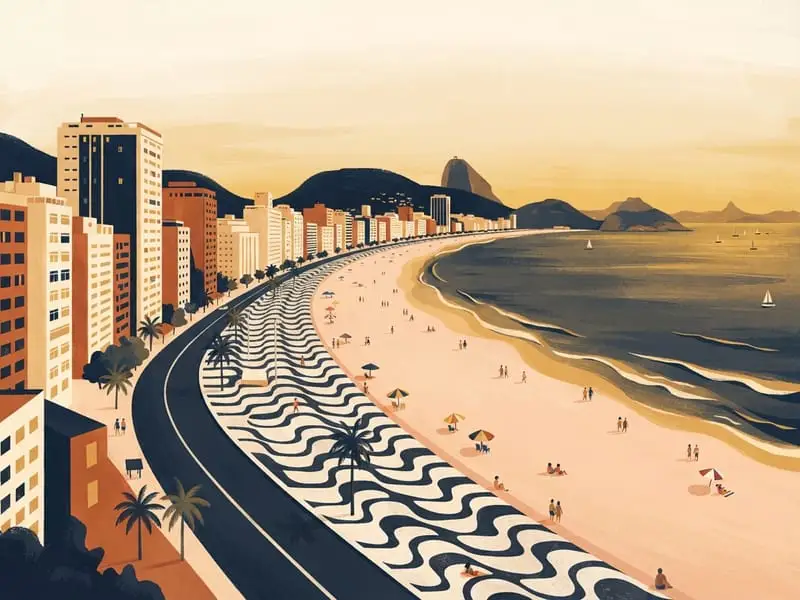
FREEJust over four kilometers of beach along Avenida Atlântica, edged by the black-and-white wave pavement that Roberto Burle Marx redesigned. Kiosks, a bike path and a fort at each end.
 FREE
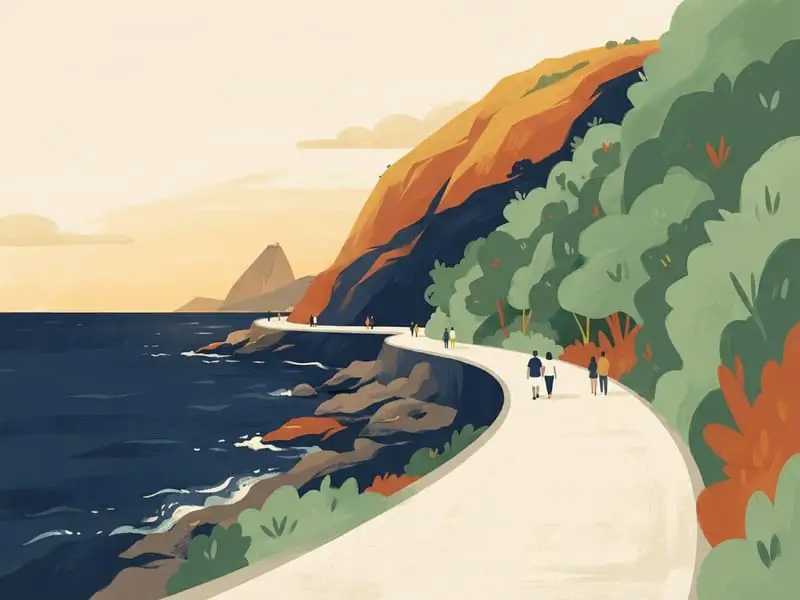
FREEA paved 1.25 km path that starts at the end of Praia Vermelha and hugs the base of Morro da Urca, with the sea on one side and Atlantic Forest on the other. No bikes, skates or cars.
 FREE
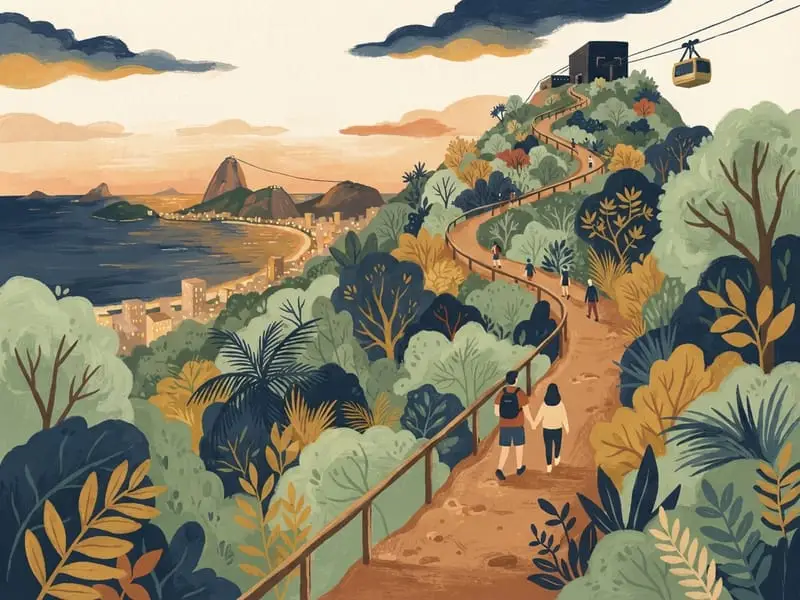
FREEThe forest trail that climbs from the Pista Cláudio Coutinho to the top of Morro da Urca, the first stop of the Sugarloaf cable car. About 40 minutes up for a view over Botafogo bay, the city center and across to Niterói.
 FREE
FREEA low sea wall on Guanabara Bay where half the city seems to sit at dusk with a beer, facing the boats, the Rio-Niterói bridge and Christ the Redeemer across the water.
 FREE
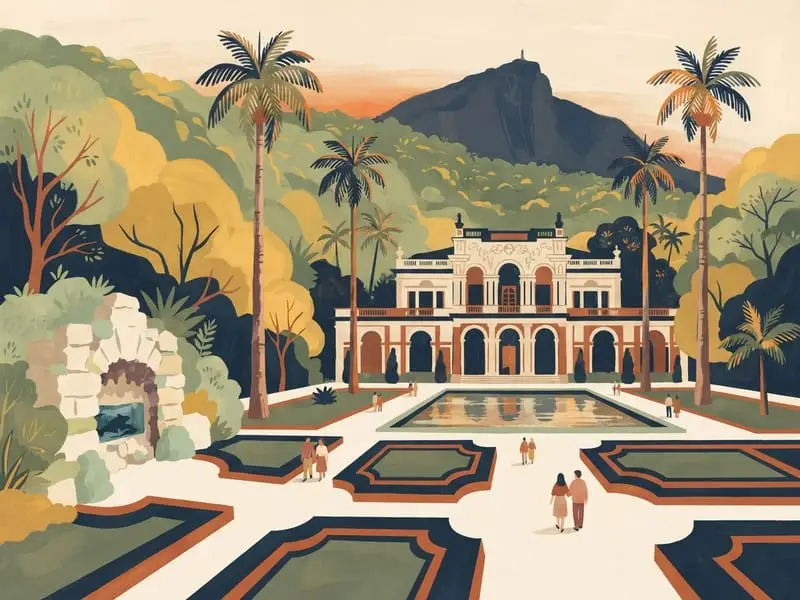
FREEA public park at the foot of Corcovado: romantic 19th-century gardens, imperial palms, small grottoes and aquariums, and real Atlantic Forest behind. The 1920s mansion houses the School of Visual Arts.
 FREE
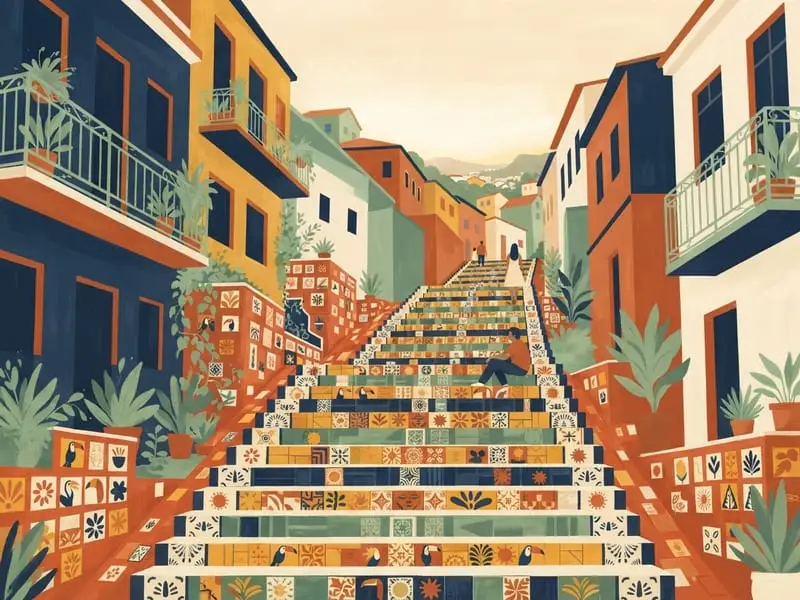
FREEA public staircase between Rua Joaquim Silva in Lapa and Santa Teresa that the Chilean artist Jorge Selarón covered in tiles from all over Brazil and the world, starting in 1990.
 FREE
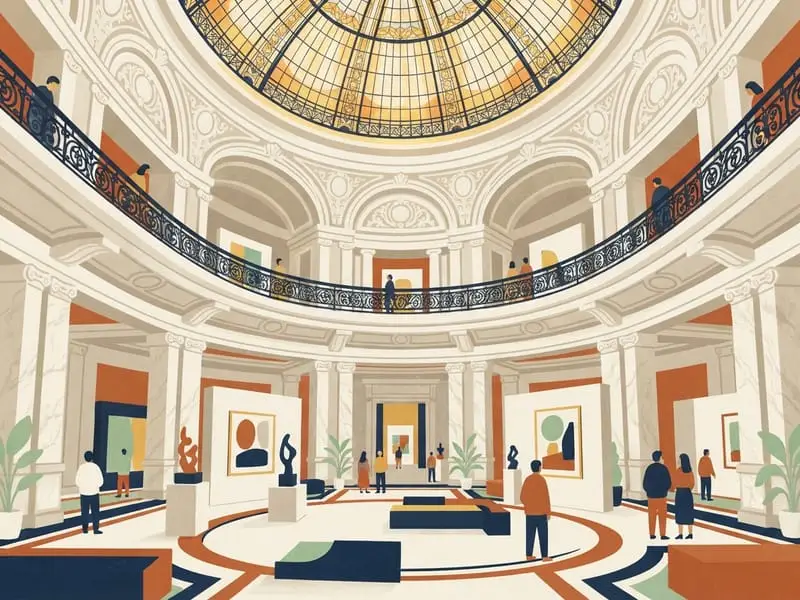
FREEA 1906 bank headquarters turned arts center, with a marble rotunda under a glass dome and the big touring exhibitions that come to Rio. Every exhibition is free.
 FREE
FREEA Portuguese library opened in 1887, with three tiers of carved wooden shelves rising to an iron and stained-glass skylight. It holds the largest collection of Portuguese books outside Portugal.
 FREE
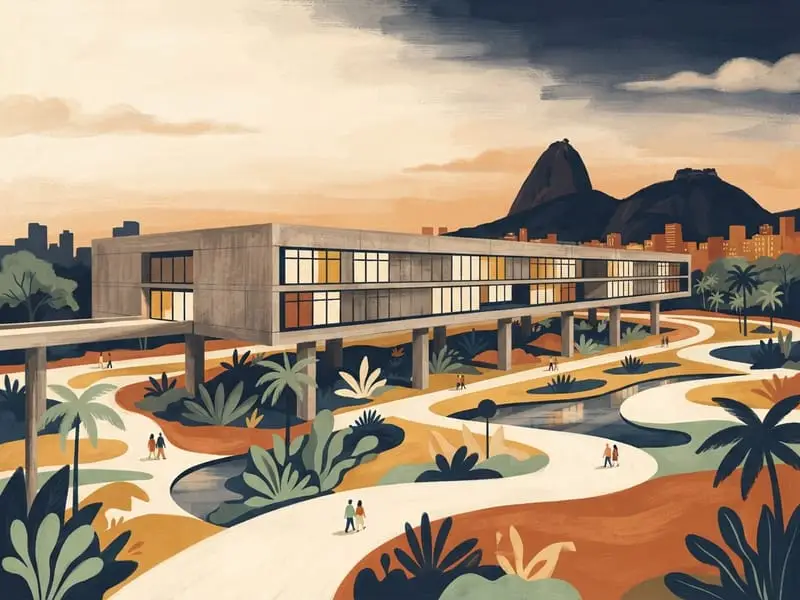
FREEAffonso Reidy's concrete modernist building on stilts in Flamengo Park, with Burle Marx gardens outside and rotating shows of Brazilian modern and contemporary art inside. Entry is free.
 FREE
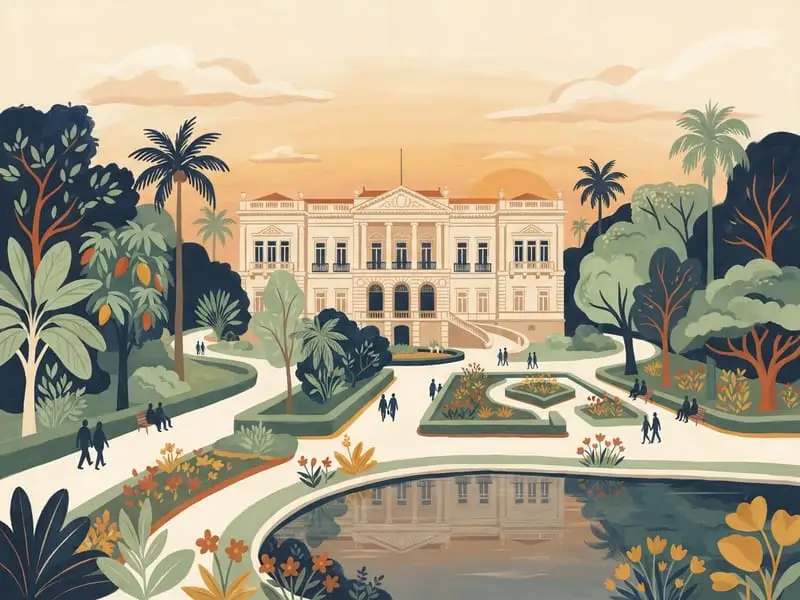
FREEThe palace that was Brazil's presidential seat until 1960, where Getúlio Vargas shot himself in 1954. Behind it is a walled garden with ponds, palms and a playground, used by the whole neighborhood.
 FREE
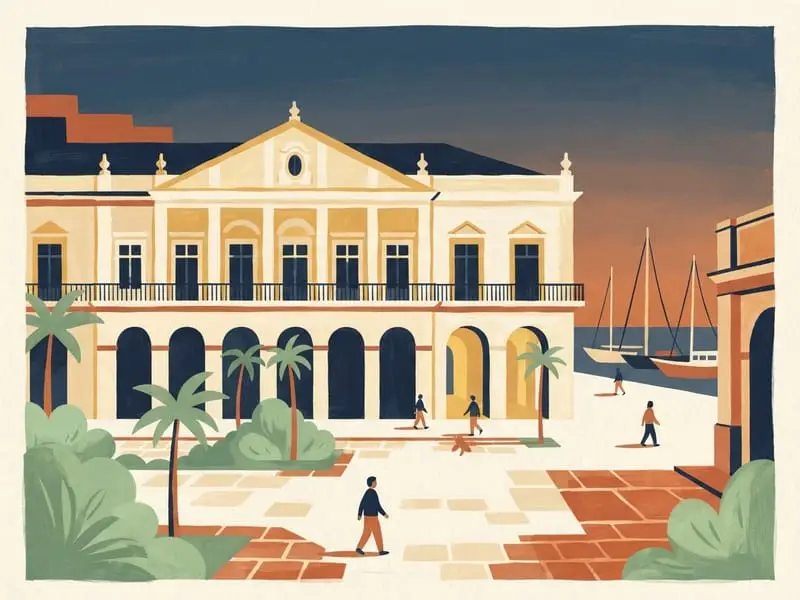
FREEThe 18th-century palace of the Portuguese governors and then of the emperors, where Princess Isabel signed the abolition of slavery in 1888. Today it is a free exhibition center run by the national heritage institute.
 FREE
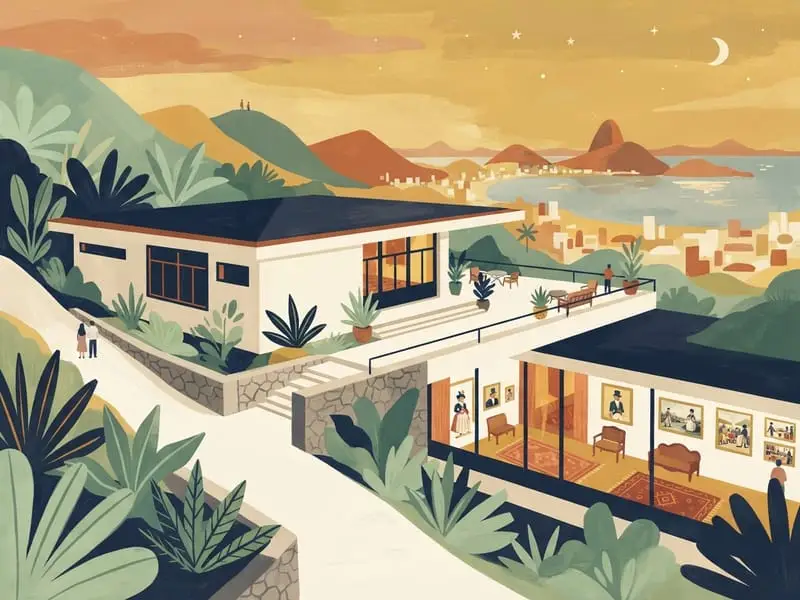
FREEThe hilltop modernist house of collector Raymundo Castro Maya, with his art, furniture and Debret's watercolors of 19th-century Rio. The garden looks over the city center and the bay.
 FREE
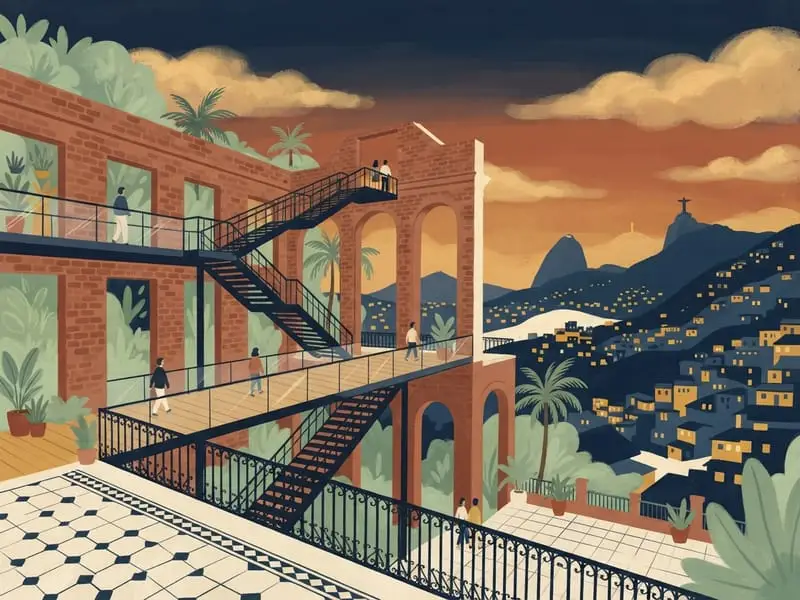
FREEThe brick shell of a Belle Époque mansion, rebuilt with iron stairs and glass walkways as a city cultural center. Climb to the top deck for a full circle: Sugarloaf, the bay, the Lapa Arches and the city center.
 FREE
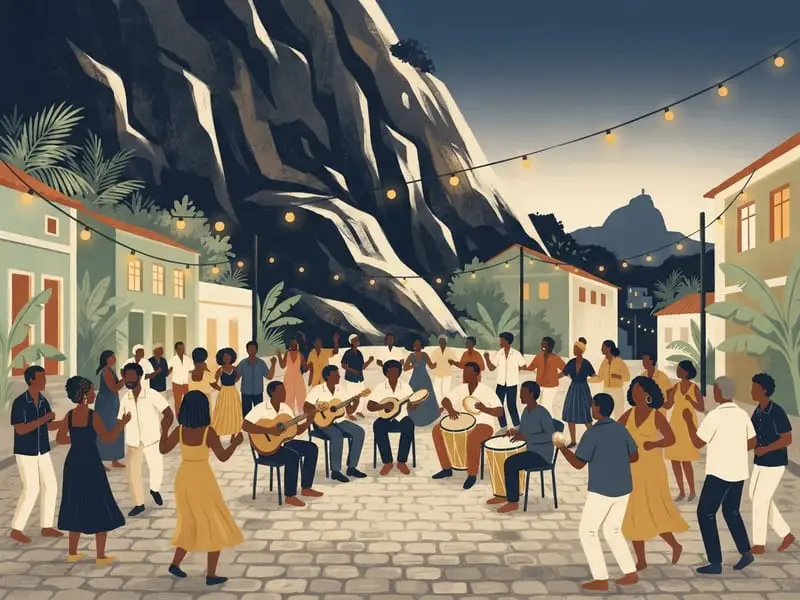
FREEAn open-air samba circle at the foot of the rock where enslaved Africans once unloaded salt and where Rio's samba was born. Musicians sit around a table and the crowd fills the steps cut into the stone.
 FREE
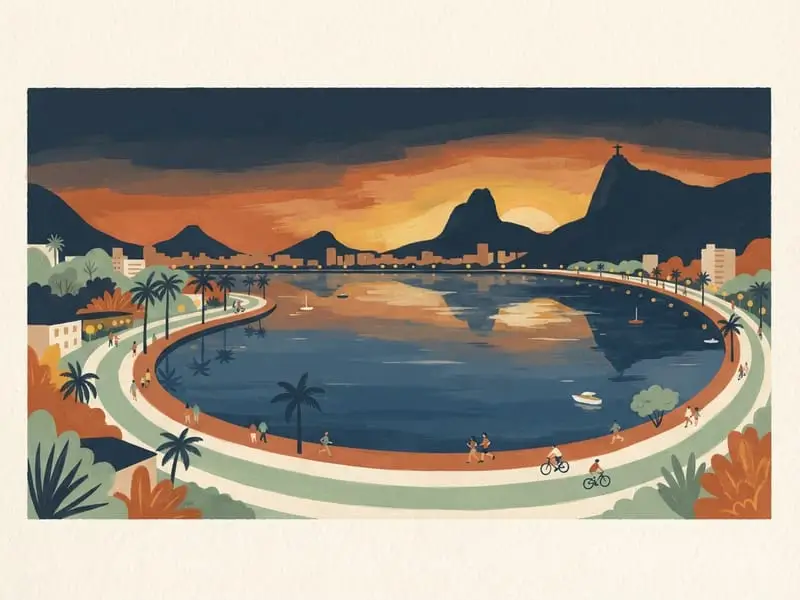
FREEA saltwater lagoon in the middle of the South Zone with a flat 8 km path all the way around. Rowers on the water, Corcovado above and kiosks selling coconut water.
 FREE
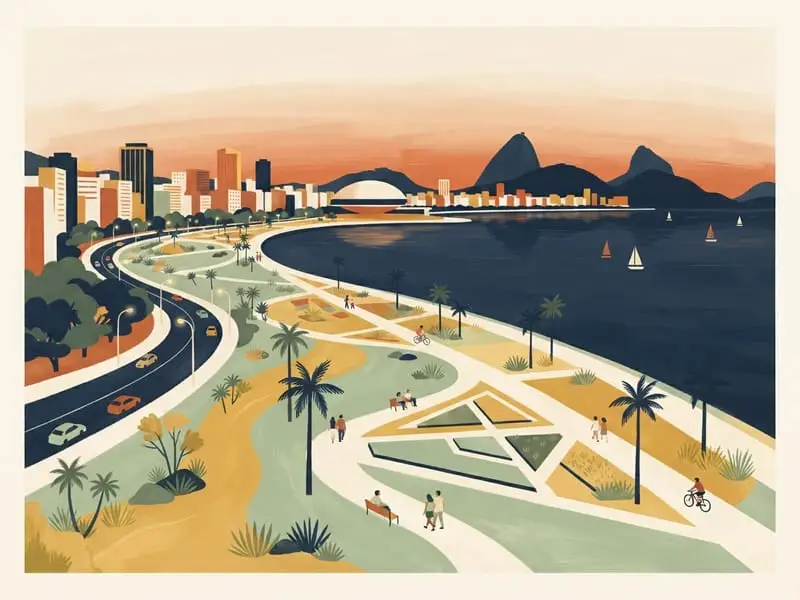
FREEA 1960s park built on land reclaimed from the bay, running from Santos Dumont airport to Botafogo. Gardens by Roberto Burle Marx, sports courts, a bike path and a long bay beach facing Sugarloaf.
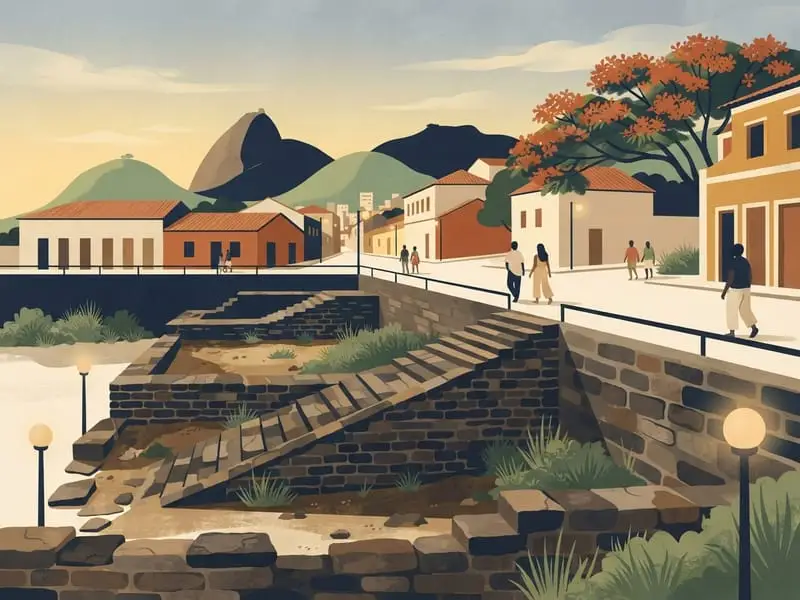 FREE
FREEThe stone wharf, built in 1811, where enslaved Africans were landed in Rio. Buried twice, uncovered in 2011 during the port works and listed by UNESCO in 2017. You look down on it from street level.
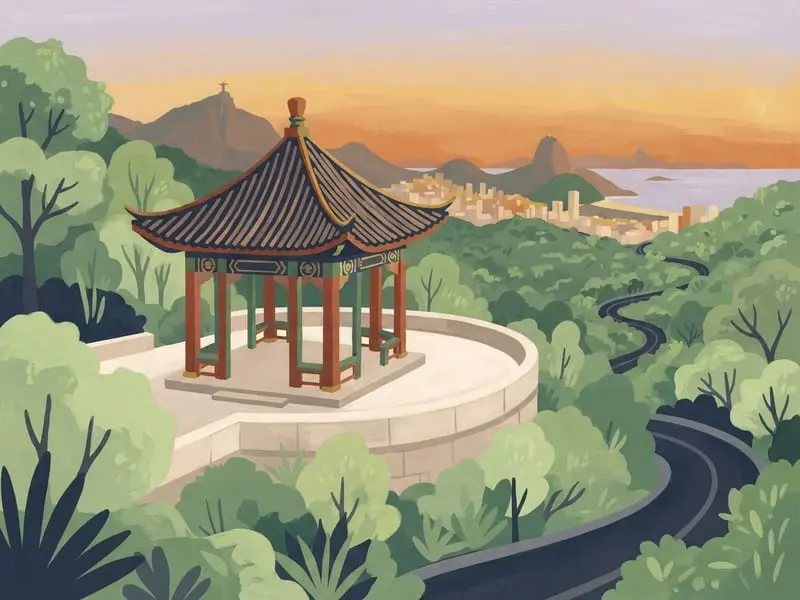 FREE
FREEA Chinese-style pavilion built in the early 1900s on a forest road inside Tijuca National Park. From its terrace you see the Lagoa, Ipanema, Sugarloaf and Corcovado in one sweep.
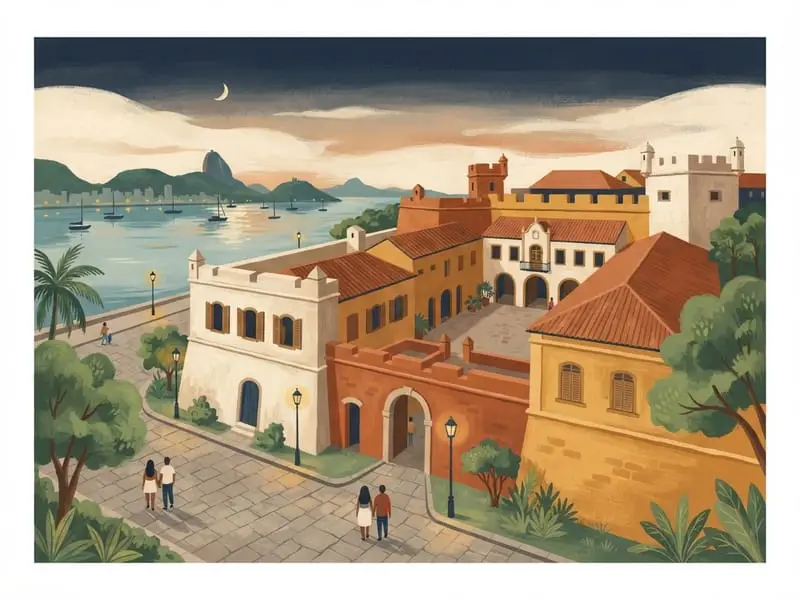 FREE
FREEBrazil's national history museum, in a complex of colonial fort, arsenal and prison buildings near Praça XV. Imperial carriages, cannons in the courtyard and a huge coin collection.
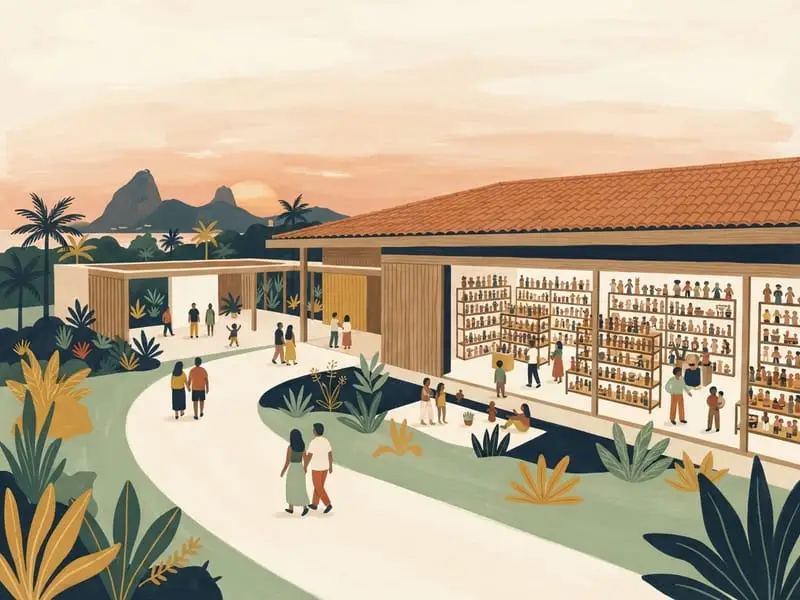
Brazil's main museum of popular art: thousands of small clay and wood figures of markets, festivals, circuses and working life, made by artists from all over the country.
 FREE
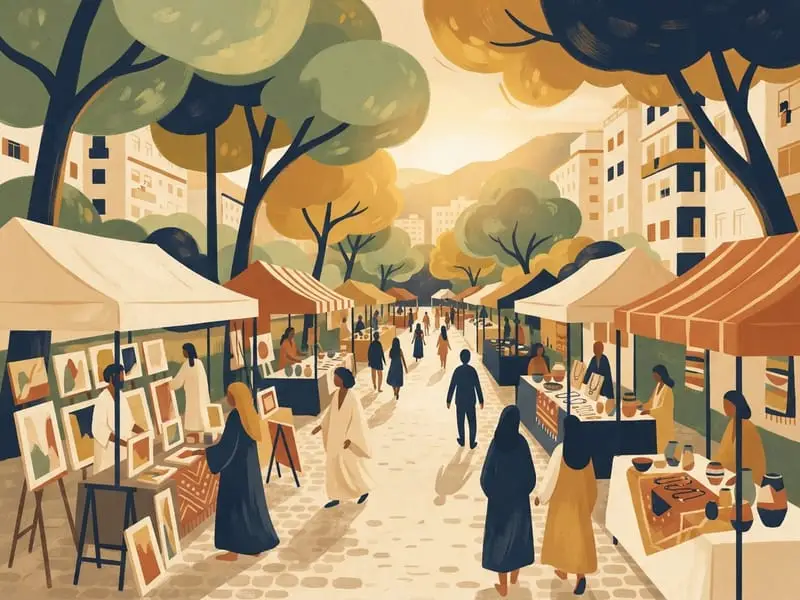
FREEA Sunday craft market that has filled Praça General Osório since the late 1960s, when artists started selling paintings there. Leather, jewelry, paintings, hammocks and food stalls from Bahia.
 FREE
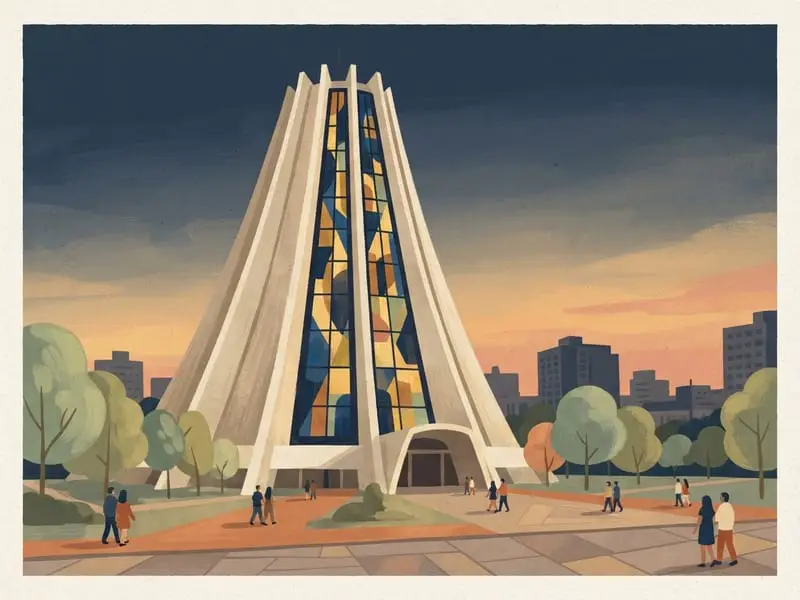
FREEA 1970s concrete cone, 75 meters high, with four stained-glass windows running from floor to roof. Nothing like the baroque churches a few streets away.
Mostly museums. The free window, who it applies to and the booking rule are on each card.
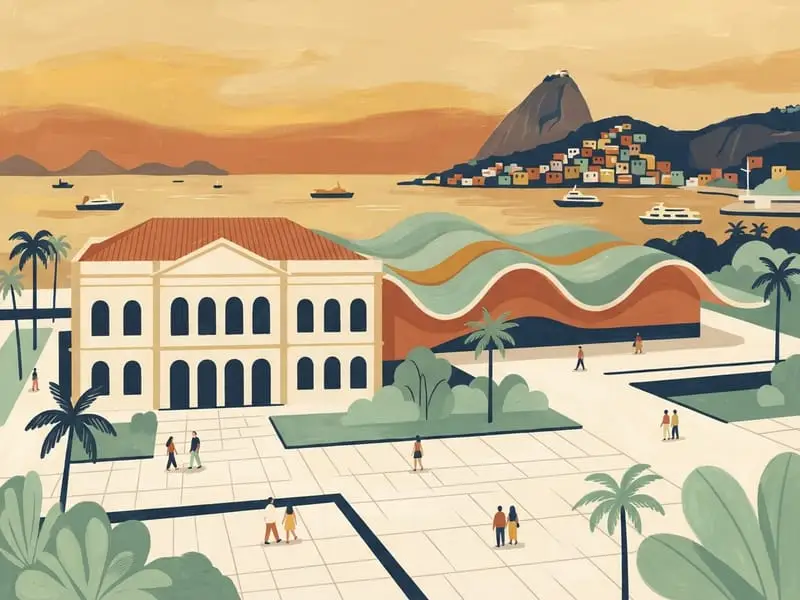
Two joined buildings on Praça Mauá, an old palace and a former bus terminal under one wavy roof, showing art about Rio and Brazil. The rooftop looks over the square and the bay.
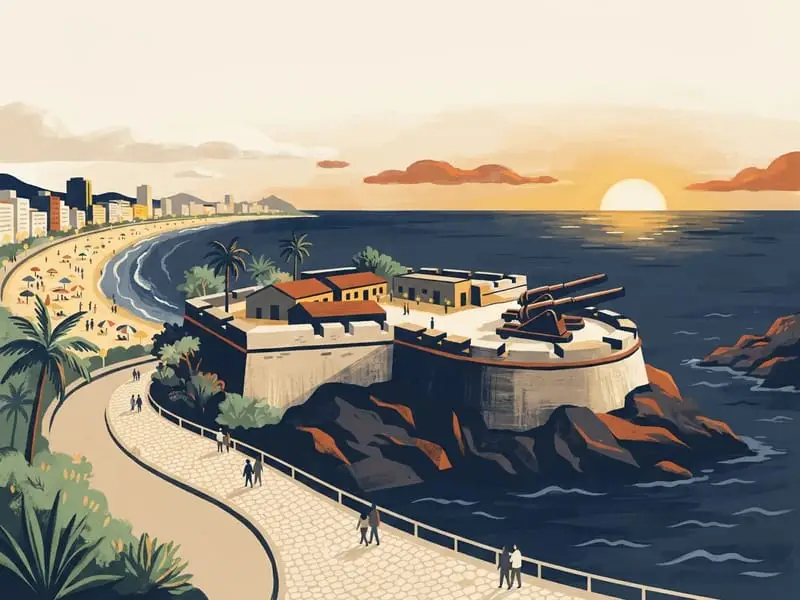
A 1914 army fort on the headland between Copacabana and Arpoador, with huge Krupp guns, an army history museum and a walkway facing the whole curve of the beach.
They cost a little and give back a lot. Never mixed into the free lists.
 R$ 5
R$ 5The modern tram runs at street level from Santos Dumont airport through the business district to Praça Mauá and the port warehouses, every day from 5:00 to 23:00.
Sightseeing for the price of a fare. Ride it from Cinelândia to Parada dos Museus and you pass the Theatro Municipal, Candelária church and the waterfront boulevard. You pay by card at the reader on board, not in cash.
Source: VLT Carioca
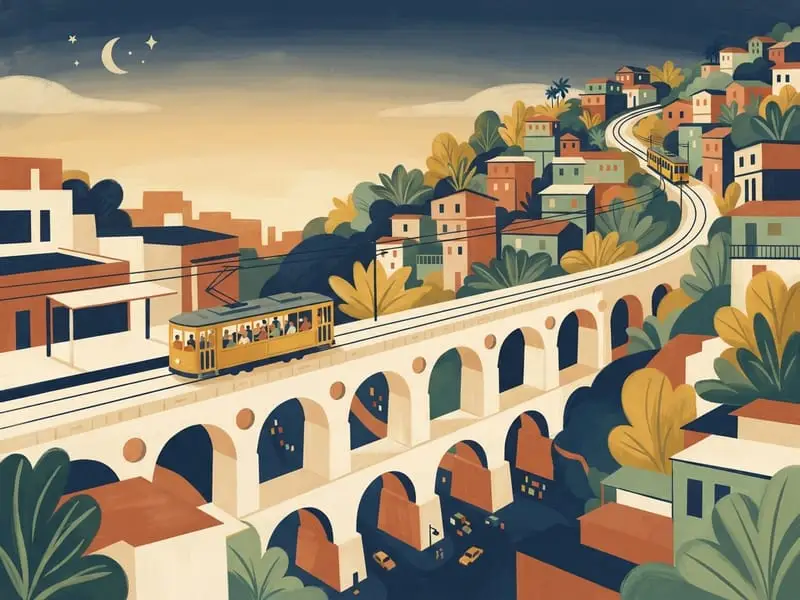 R$ 20
R$ 20The yellow tram leaves from a station beside Carioca metro, crosses the top of the Lapa Arches and climbs into Santa Teresa. It runs daily from 8:00 to 17:00.
The ride over the arches is the reason to go, and it is also the safe way up to Parque Glória Maria and Chácara do Céu. Get off at Curvelo for both. Queues are long after 10:00 on weekends.
Source: Riotur
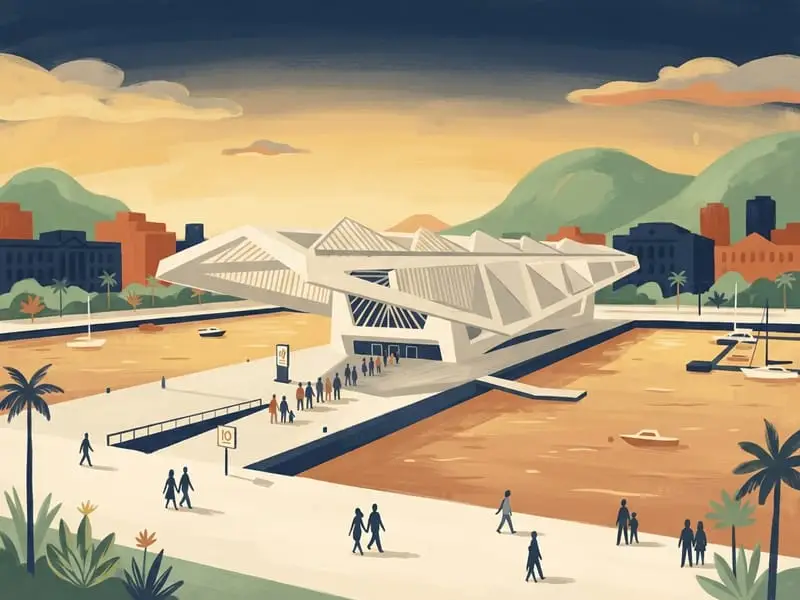 R$ 10
R$ 10Santiago Calatrava's science museum on the pier charges R$ 40, but on the 10th of every month everyone pays R$ 10, a promotion for its tenth anniversary. No half price applies on top.
If the 10th falls during your trip, go then and book a time slot on the museum's site, because the cheap day can sell out. On any other date, admire the building from the square for free and spend the money elsewhere.
Source: Museu do Amanhã
What you can eat or drink for nothing, and the local classics that cost very little.
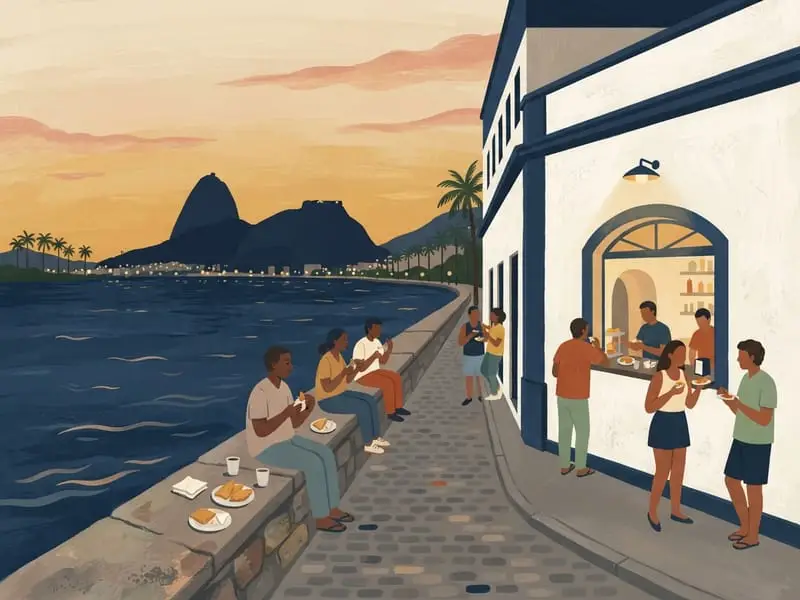 R$ 13
R$ 13Order at the street counter and eat sitting on the sea wall opposite. A cheese or beef pastel is R$ 13, the shrimp one R$ 14 and the shrimp empada R$ 16.
Go around 17:00 to have it with the sunset; the counter queue moves fast
Source: Bar Urca
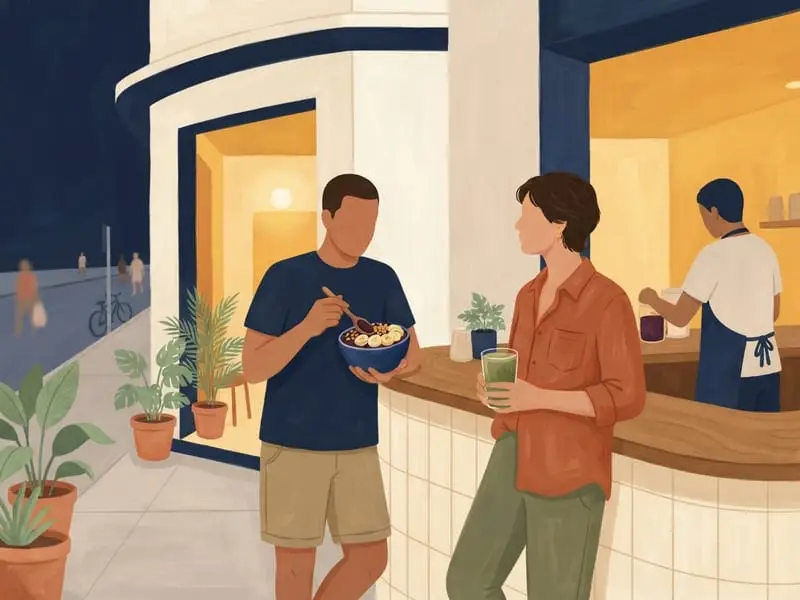 R$ 14.50
Rio eats açaí thick, cold and barely sweet, standing at the counter. At Big Polis Sucos the 200 ml baby cup is R$ 14.50 and the 300 ml R$ 21. Granola or banana cost a few reais more.
Daily 8:00 to midnight, Avenida Ataulfo de Paiva 505
Source: Big Polis Sucos
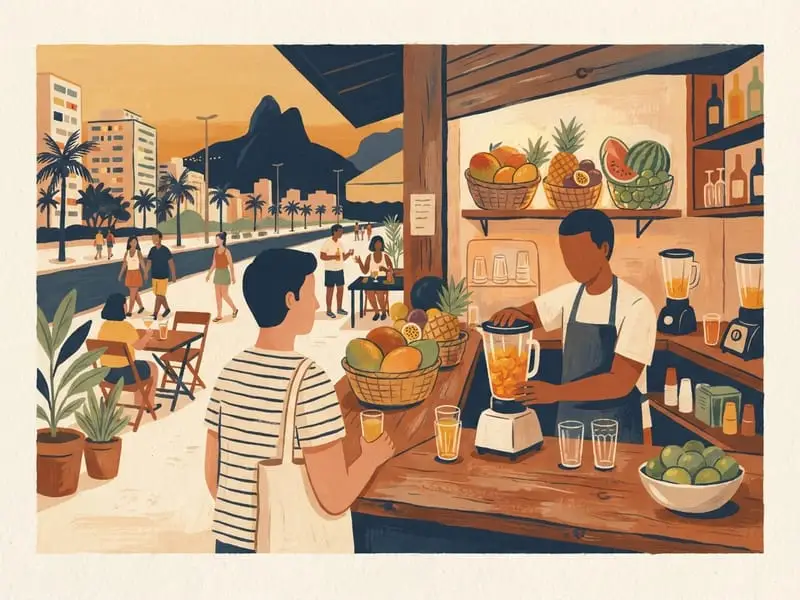 R$ 9.50
Juice bars blend whole fruit while you wait. On the Big Polis menu a 300 ml papaya juice or Swiss lemonade is R$ 9.50, guava, apple and watermelon R$ 10, pineapple R$ 10.50.
Daily 8:00 to midnight. Ask for it without sugar, sem açúcar, or it comes sweetened
Source: Big Polis Sucos
What opens, what closes and which free events come back each year.
The museum's ticket page no longer lists a free day. Entry is R$ 40, or R$ 20 half price, and on the 10th of every month everyone pays R$ 10. MAR, across the square, is free every Tuesday.
No. Foreign visitors pay R$ 80 and residents of Brazil R$ 40, with free entry only for children under 5. The garden's small museum is free with a ticket booked online. Parque Lage, a 15-minute walk away, is free every day from 8:00 to 18:00.
No. Tijuca National Park is free everywhere except Corcovado, which is the one charged point in the park. For a free view of the statue, go to Parque Lage, the Lagoa or the Mureta da Urca.
Halfway. The trail from the Pista Cláudio Coutinho to the top of Morro da Urca is free and takes about 40 minutes. Going on to the Sugarloaf summit means buying a cable car ticket at the Morro da Urca station.
Every Monday from 19:00 to midnight, in the open air and with no entry charge. Riotur also lists music there from Thursday to Sunday. Go and leave by app car.
Tickets start at R$ 205, and it is the one view in Rio that no trail or terrace replaces: the whole bay, Copacabana and Corcovado from 396 meters as the lights come on. Go up around 16:00 and stay for dusk. If the budget is tight, hike Morro da Urca for free and decide at the top.
Everything above is free. This is the only paid pick on the page, chosen because no free option replaces it.
See tickets and prices