La Boca Free Walking Tour
2h · rated 9.5/10 in 1,689 reviews
Guided in English
Reserve a spotBuenos Aires is cheaper to enjoy than it used to be, but the free list has shrunk. Recoleta Cemetery now sells tickets to foreign visitors, the Ecoparque started charging tourists in 2026, and the city museums' free Wednesday is for residents only. What is left is still a lot: the national museums, the Sunday fairs in San Telmo and Mataderos, a river reserve behind the Puerto Madero towers, an old theatre full of books and a vintage tram that runs on weekends. Wednesday is the best day to be here without money and Monday the worst. Peso prices change fast with inflation, so every price below carries the date we read it: October 2026.
These have no fixed price. You reserve a spot, and at the end you tip the guide what you think the tour was worth.
2h · rated 9.5/10 in 1,689 reviews
Guided in English
Reserve a spot2h · rated 9.8/10 in 1,154 reviews
Guided in English
Reserve a spot2h · rated 9/10 in 641 reviews
Guided in English
Reserve a spotSpots are booked through Civitatis.
Open to everyone, every day they are open. No ticket to buy.
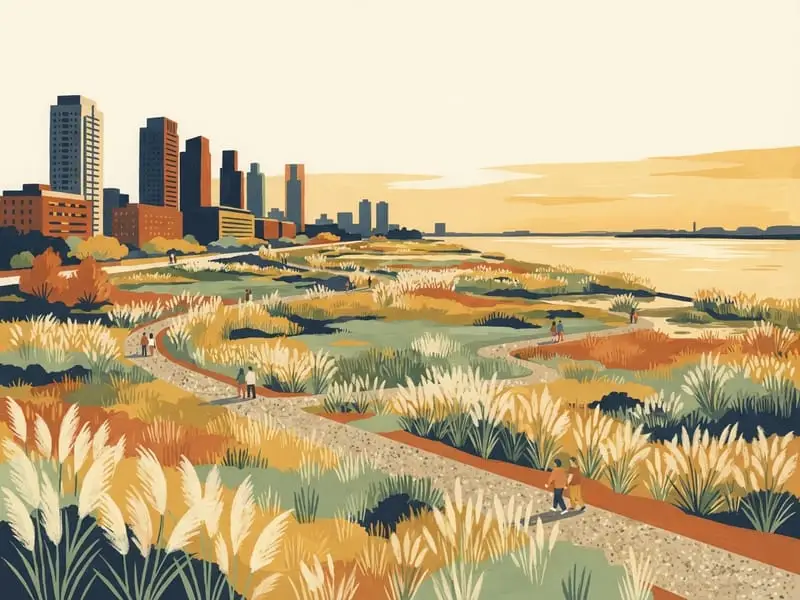 FREE
FREE350 hectares of wetland, pampas grass and gravel paths between the Puerto Madero towers and the Río de la Plata. It is the largest green space in the city and the only place where you reach the open river on foot.
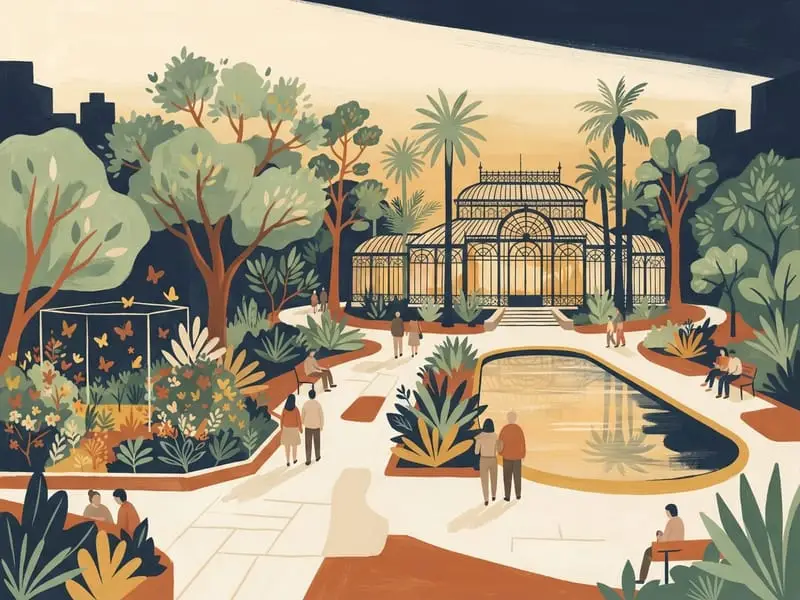 FREE
FREESeven shaded hectares laid out by landscape architect Carlos Thays in the 1890s, with more than 1,000 plant species, a butterfly garden and an iron greenhouse. It sits right on Plaza Italia, so it works as a break between other stops.
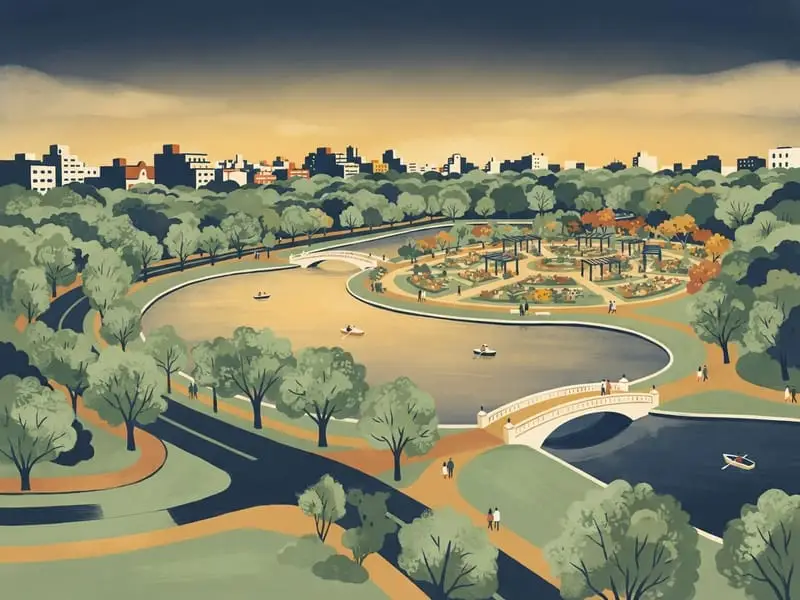 FREE
FREEThe city's biggest park, 370 hectares of lakes, lawns and tree-lined roads. Its centrepiece is the Rosedal, a formal garden with more than 18,000 rose bushes, a white bridge over the lake and a tiled Andalusian patio.
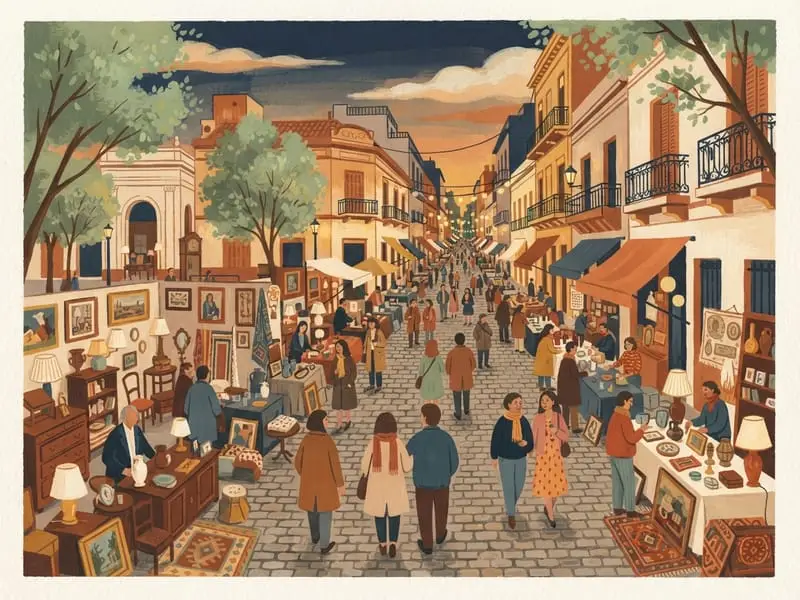 FREE
FREEEvery Sunday the antique dealers set up on Plaza Dorrego, as they have since 1970, and stalls stretch for blocks along Calle Defensa towards Plaza de Mayo. Looking costs nothing, and by late afternoon couples dance tango in the square.
 FREE
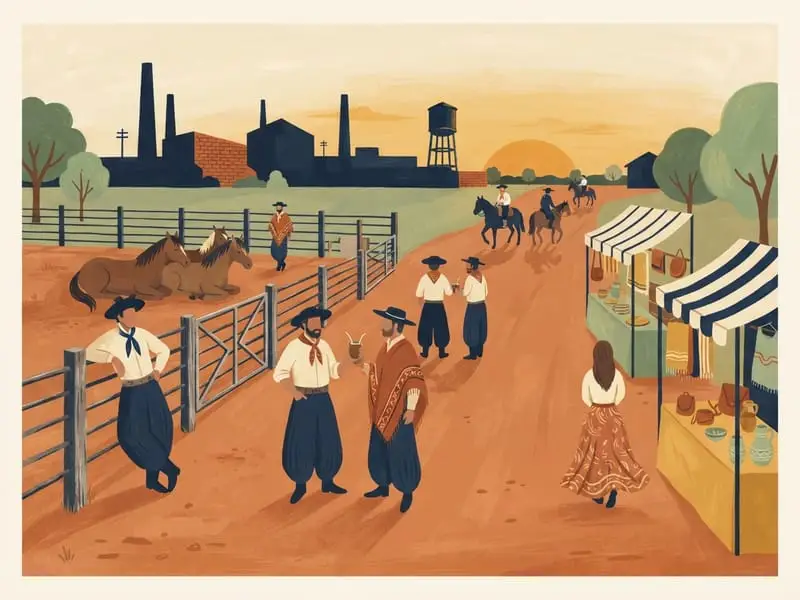
FREEThe gaucho fair on the western edge of the city, by the old cattle market. There are craft stalls and regional food to buy, but the folk music on the main stage, the dance lessons and the horseback ring races cost nothing.
 FREE
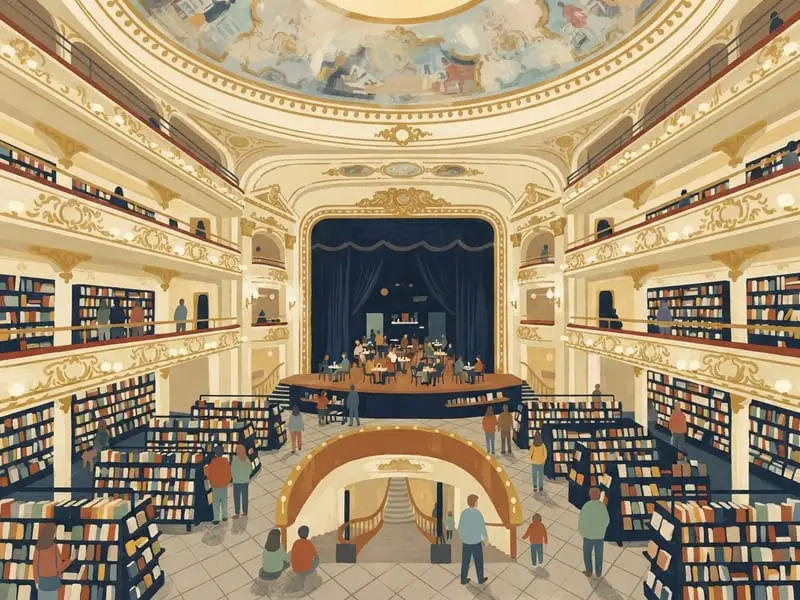
FREEA 1919 theatre turned bookshop in 2000, with the balconies, boxes and painted dome left in place and a café on the old stage. Walking in and browsing is free. Only the interactive exhibition on the third floor, opened in March 2026, needs a ticket.
 FREE
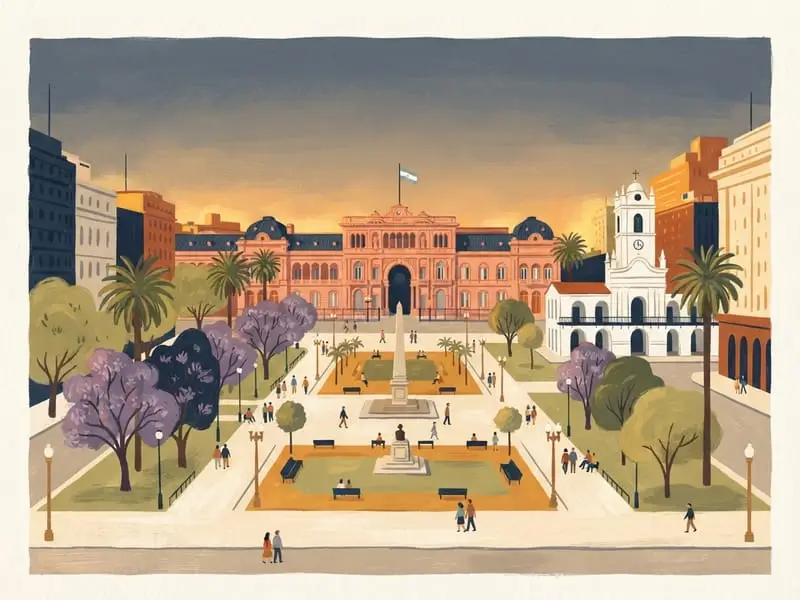
FREEThe square where Argentine politics happens, with the pink presidential palace at one end and the white colonial Cabildo at the other. Every protest and celebration ends up here, and the Mothers of Plaza de Mayo still walk around the central pyramid on Thursday afternoons.
 FREE
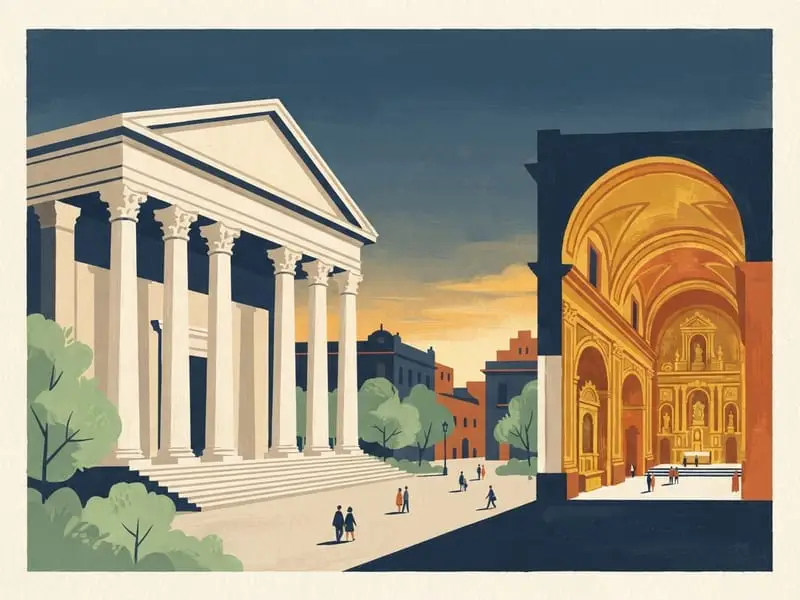
FREEThe main Catholic church of Argentina looks like a Greek temple from outside and a gilded colonial nave inside. General San Martín, who led the independence campaigns, is buried in a side chapel under permanent guard, and Pope Francis said Mass here for 15 years as archbishop.
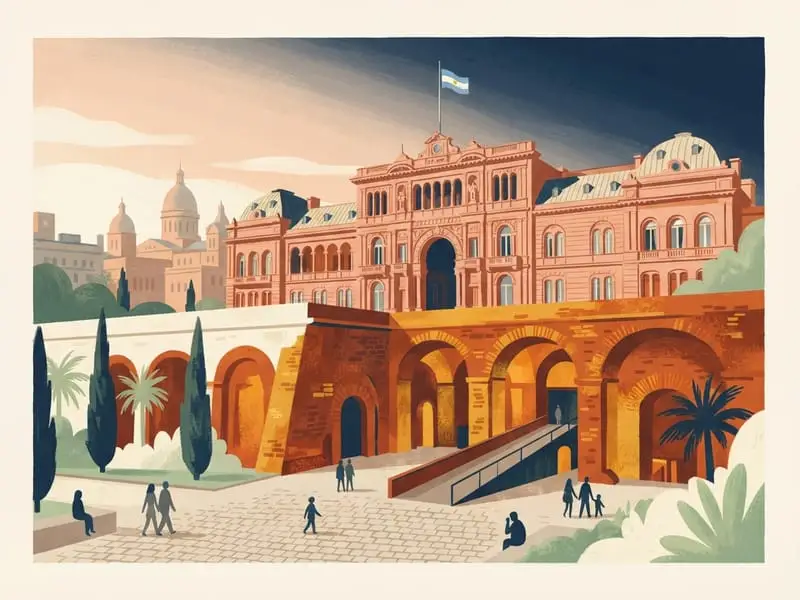 FREE
FREEBehind the presidential palace, in the brick vaults of the old fort and customs house, this museum runs through 200 years of Argentine presidents. Its best piece is a mural: the room that David Alfaro Siqueiros painted floor to ceiling in 1933, moved here whole.
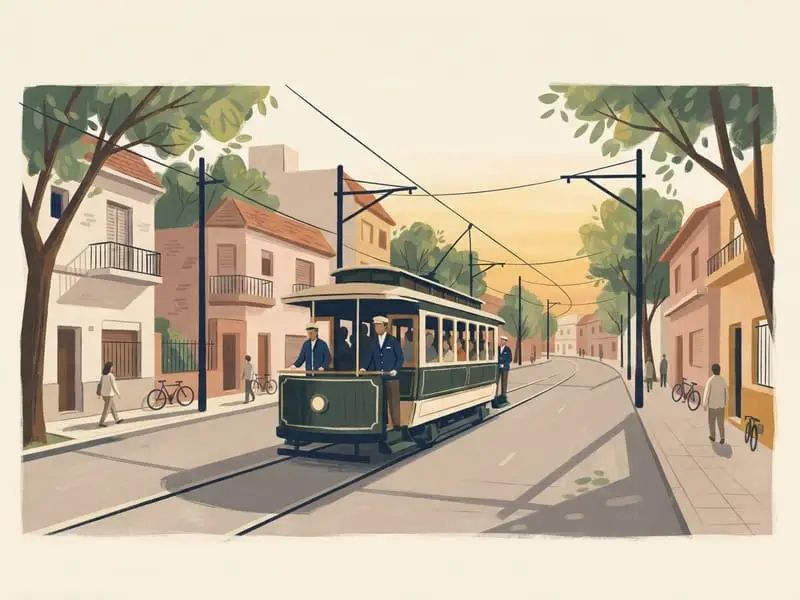 FREE
FREEVolunteers from the Asociación Amigos del Tranvía run restored wooden trams on a two-kilometre loop through a residential neighbourhood, as they have since 1980. The ride lasts about 20 minutes and nobody asks for a peso.
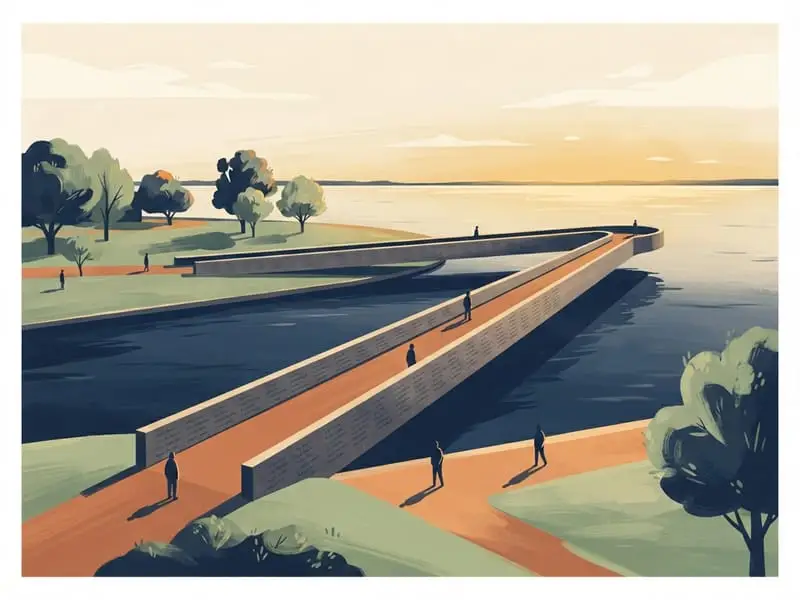 FREE
FREEA riverside memorial to the people killed or disappeared by state terrorism. Four long stone walls carry their names, year by year, and large sculptures stand on the lawns between the walls and the Río de la Plata.
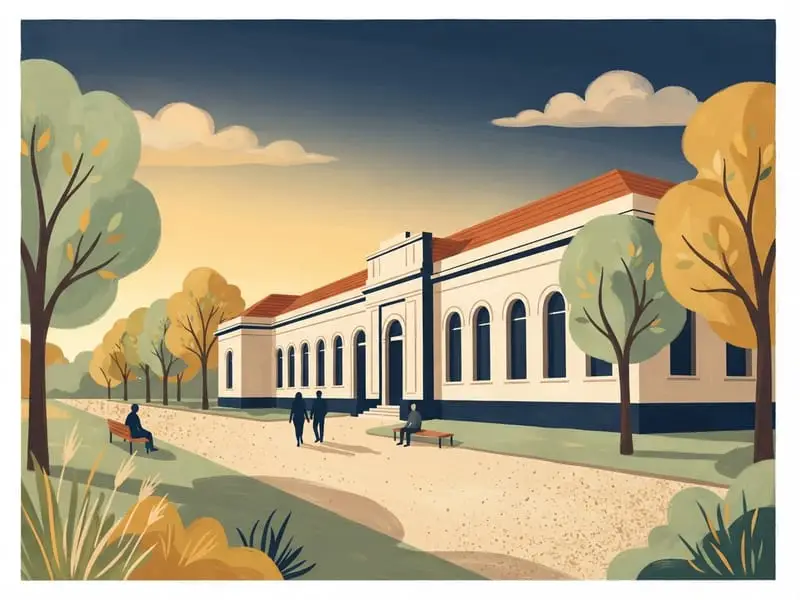 FREE
FREEThe former officers' club of the Navy Mechanics School, where around 5,000 people were held and tortured during the 1976–83 dictatorship. The building is kept as it was found and is on the UNESCO World Heritage list.
 FREE
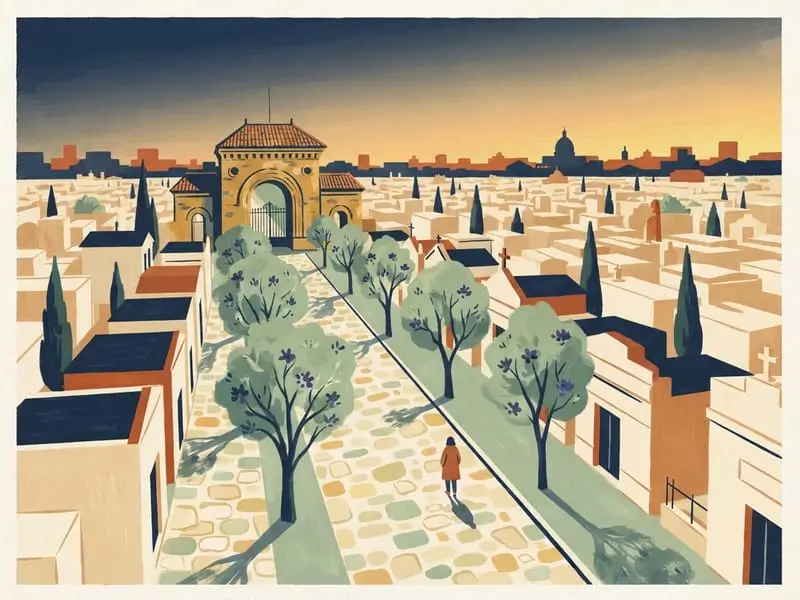
FREEThe city's largest cemetery, opened after the yellow fever epidemic of 1871. It is free where Recoleta is not, far bigger, and holds the people ordinary Argentines visit: Carlos Gardel, the rock singer Gustavo Cerati and a whole section of actors, musicians and sports figures.
 FREE
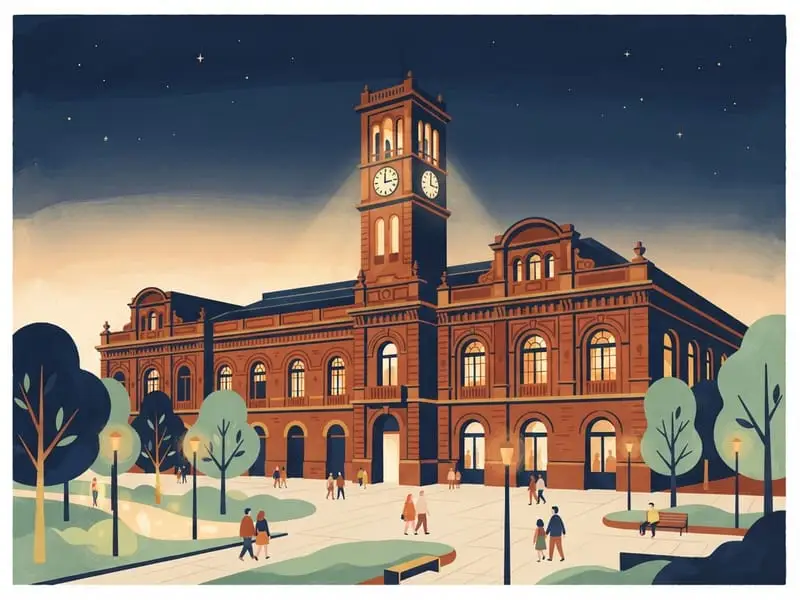
FREEA brick power station from the 1910s, built like an Italian palace with a clock tower, now a city concert hall and arts space. Weekend programming is free: chamber music, orchestras, guided visits of the building and workshops for children.
 FREE
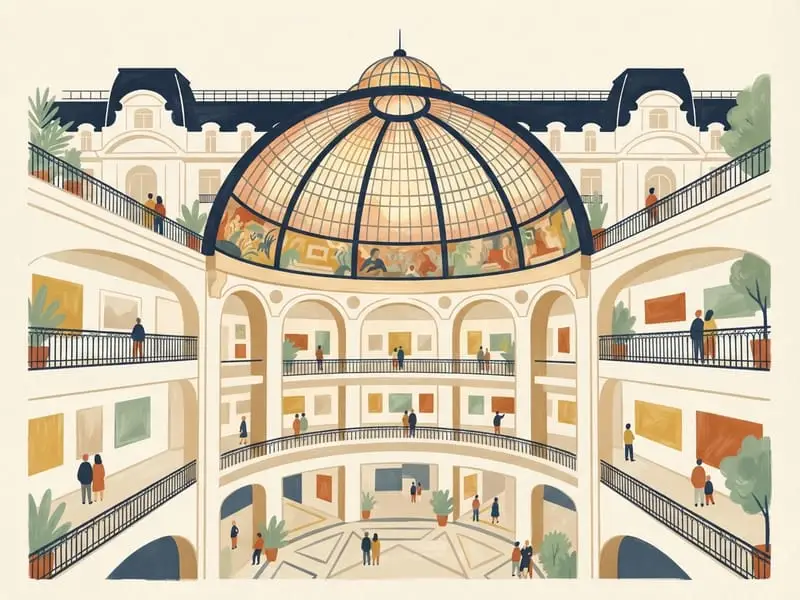
FREEA national arts centre on the upper floors of the Galerías Pacífico building, with rotating exhibitions of photography, painting and print. On the way in, stop under the mall's central dome, painted in 1946 by five Argentine muralists including Antonio Berni.
 FREE
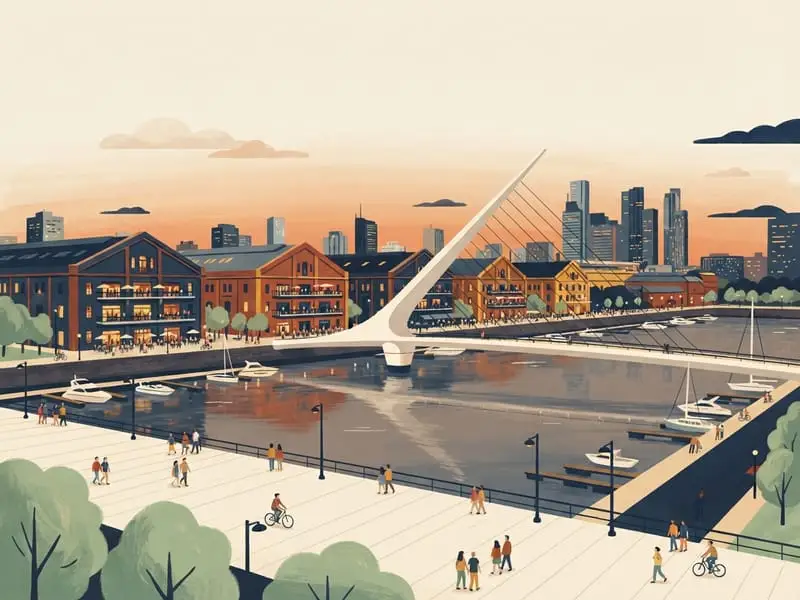
FREEFour red-brick docks from the 1890s, converted into a waterfront of restaurants and offices with a broad promenade on both sides. Santiago Calatrava's white footbridge crosses Dock 3 and swings open to let boats through.
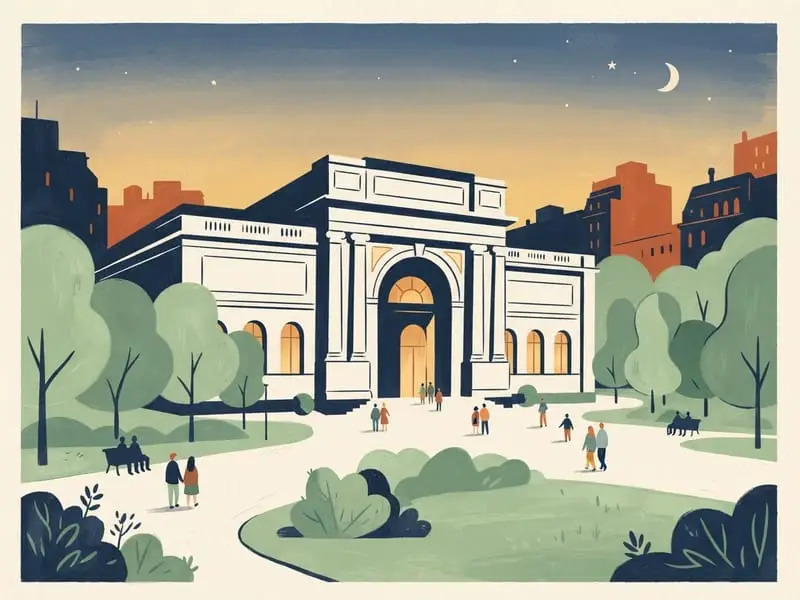
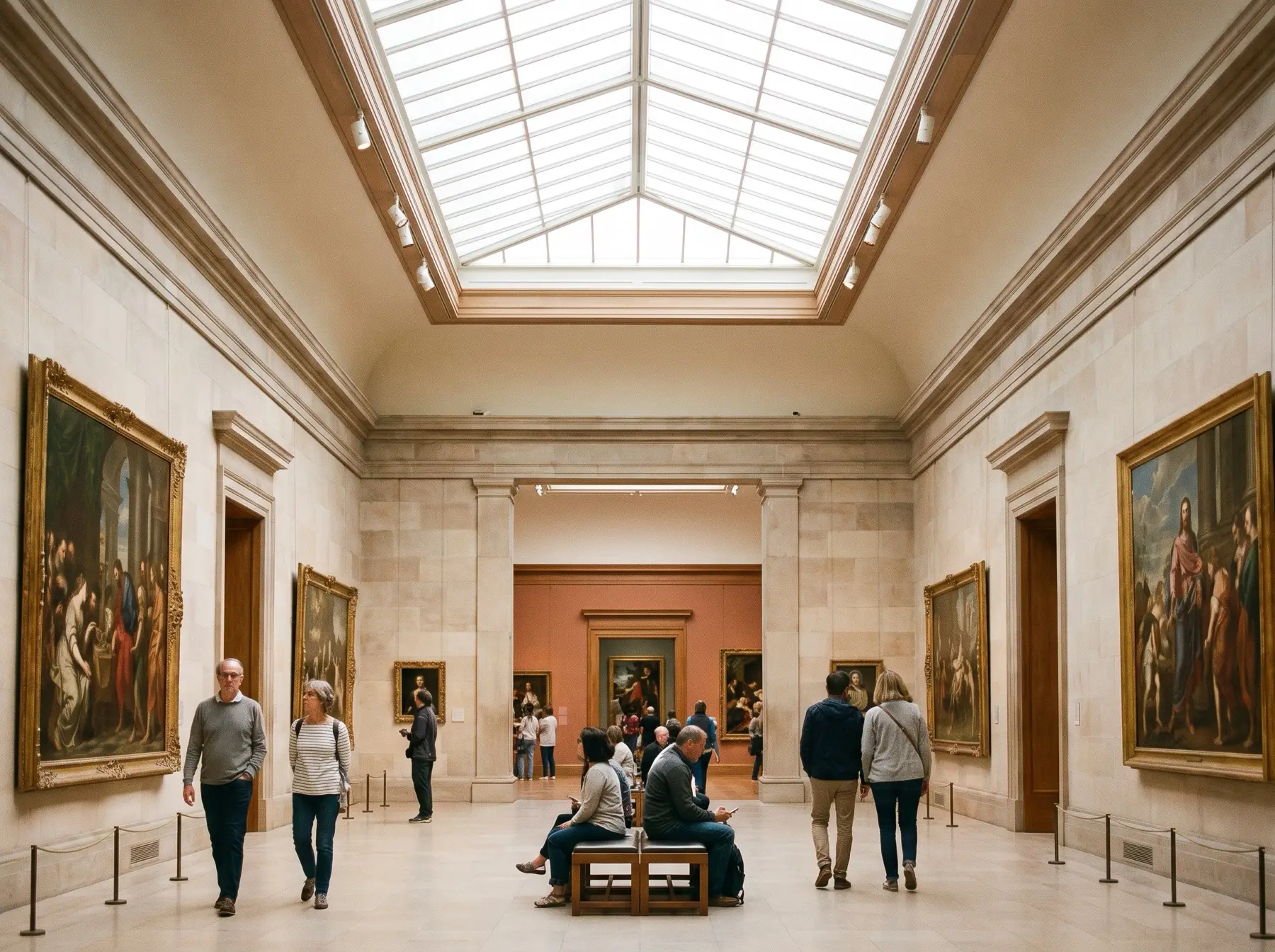
The country's main art museum and the largest public collection in Latin America. European rooms with Goya, Rembrandt, Rodin, Manet, Van Gogh and Degas are on the ground floor, and Argentine art from the 19th century to today is upstairs.
 FREE
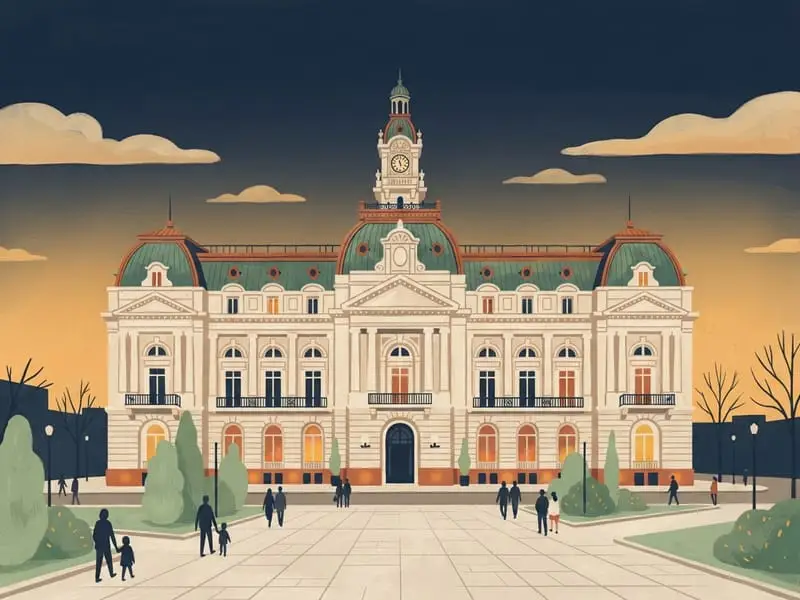
FREEThe old Central Post Office, a 1928 French-style palace, rebuilt inside as one of the biggest cultural centres in the world and renamed from Centro Cultural Kirchner in 2024. Exhibitions fill the old offices, and a symphony hall nicknamed the Blue Whale hangs in the middle of the building.
 FREE
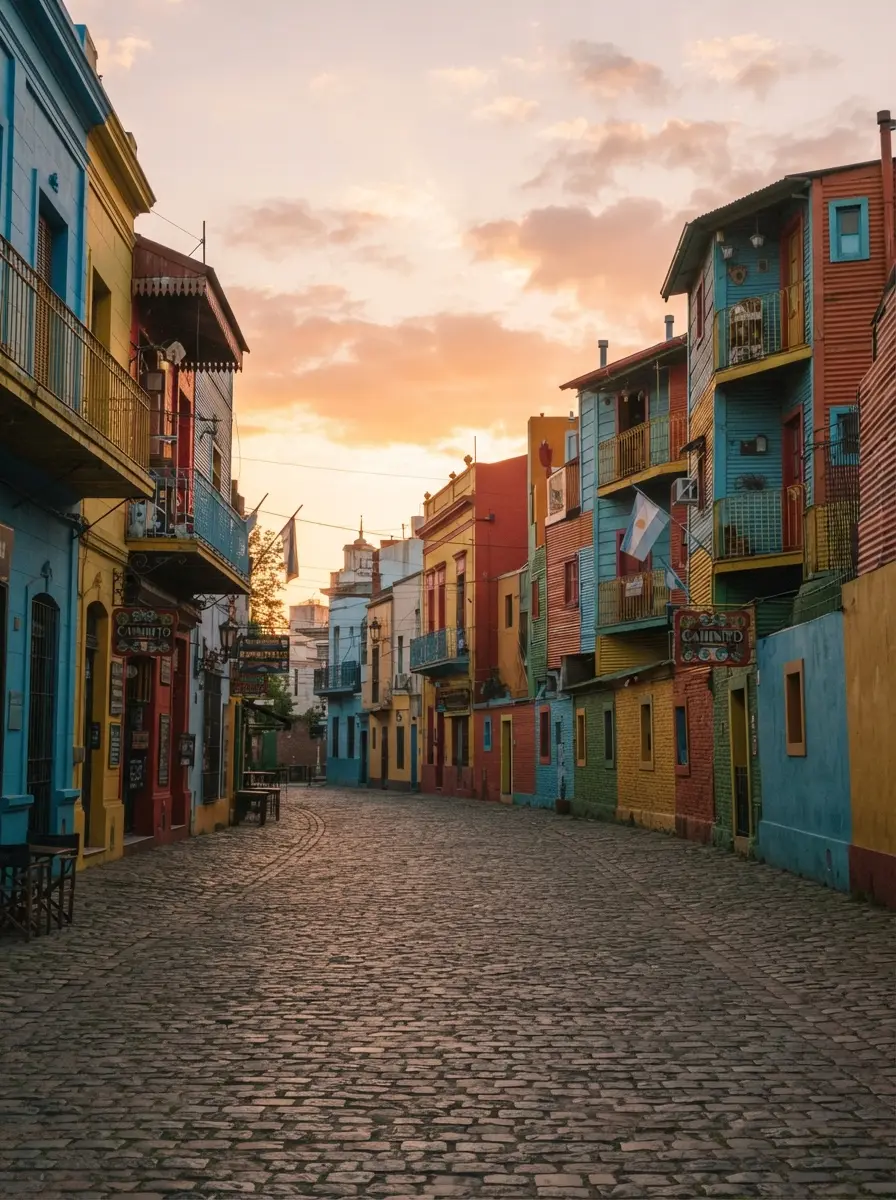
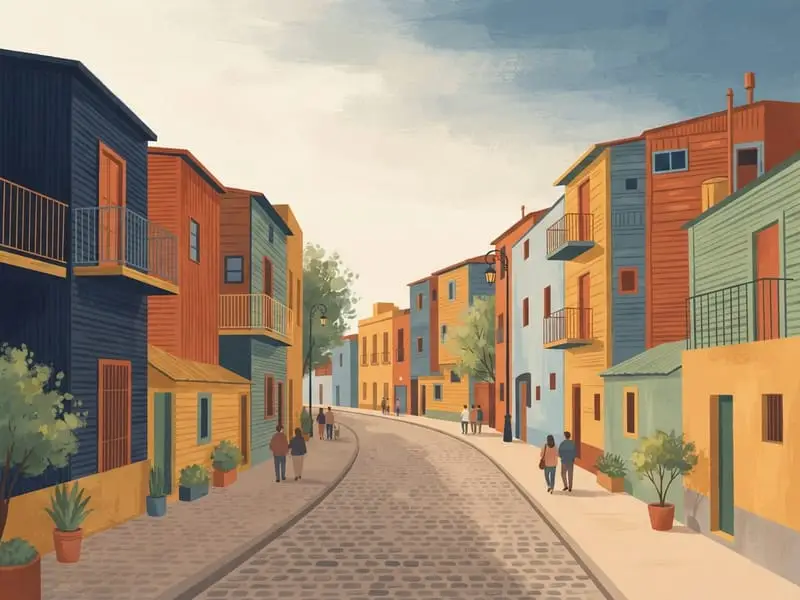
FREEA 150-metre pedestrian lane of corrugated-iron tenements painted in primary colours, turned into an open-air museum in 1959 on the initiative of the painter Benito Quinquela Martín. Street tango, souvenir stalls and artists selling canvases fill it by day.
 FREE
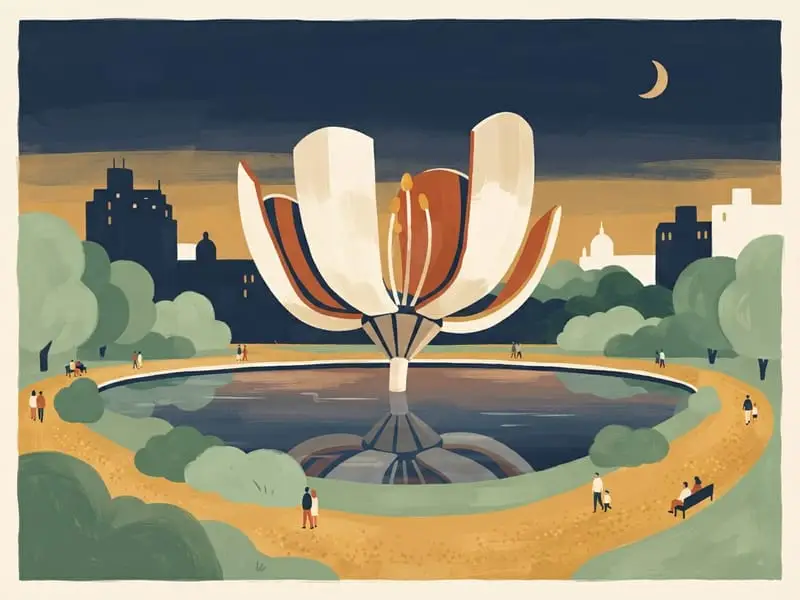
FREEA steel and aluminium flower more than 20 metres tall, set in a reflecting pool in Plaza de las Naciones Unidas. Architect Eduardo Catalano gave it to the city in 2002 and designed the petals to open by day and close at dusk.
 FREE
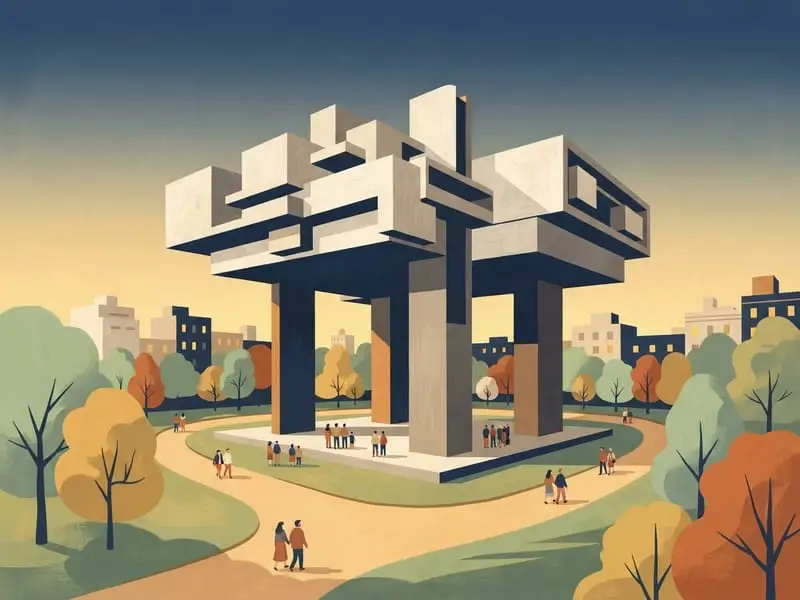
FREEClorindo Testa's concrete library stands on four legs above a park, on the site of the residence where Eva Perón died. Staff lead a 90-minute walk through the building, the reading rooms and the views from the upper floors.
 FREE
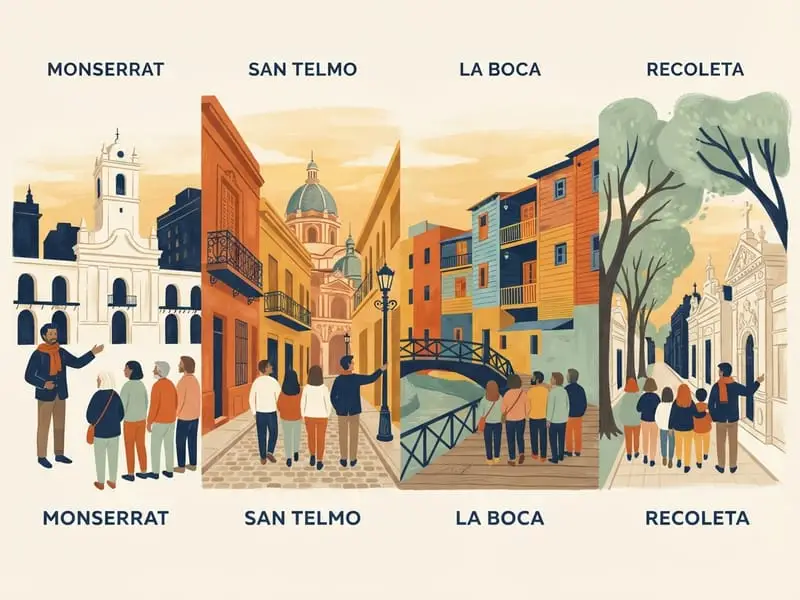
FREEThe city's own tourism office runs free walks with licensed guides, with no tip expected. The regular weekly routes are Plaza de Mayo, Recoleta, La Boca and San Telmo, and each month adds one-off themed walks on cafés, musicians or architecture.
Mostly museums. The free window, who it applies to and the booking rule are on each card.
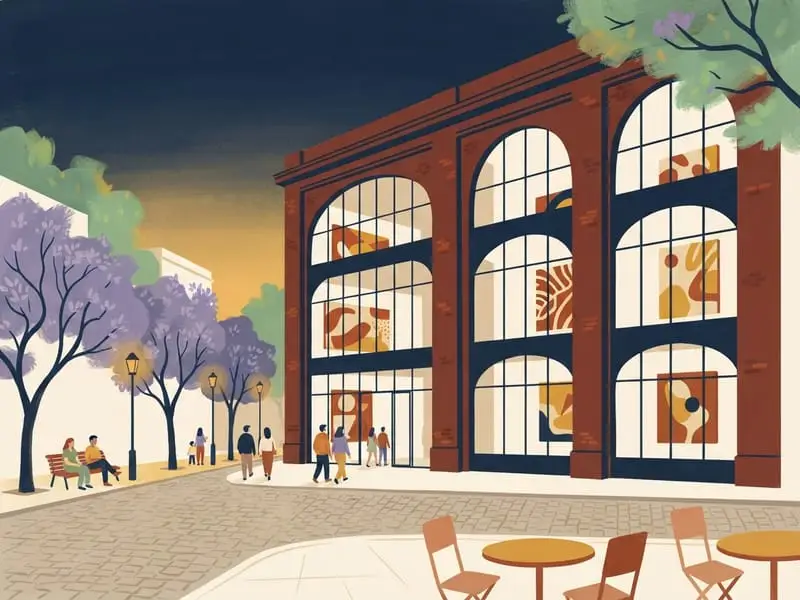
The city's modern art museum fills a former tobacco warehouse in San Telmo with four floors of Argentine and international work from the 1940s to now. Entry is free for everyone on Wednesdays and on the last Sunday of each month.
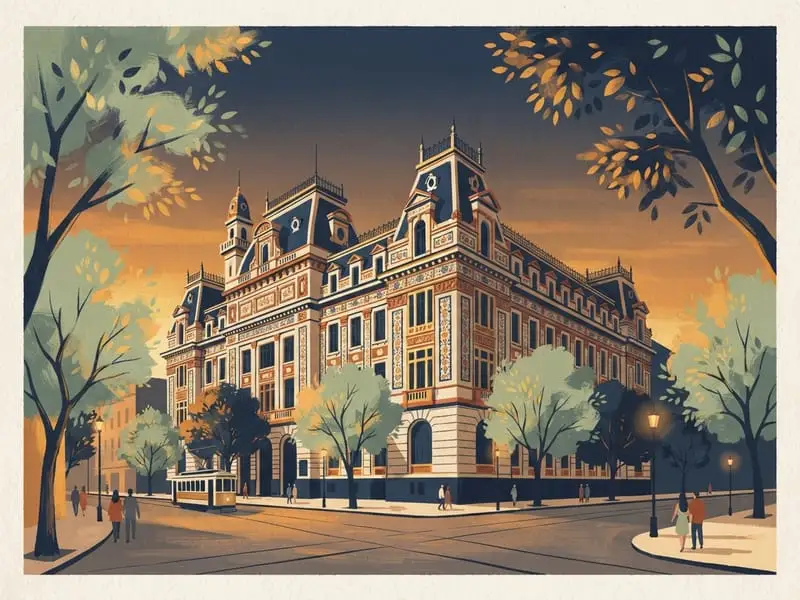
The most ornate building in Buenos Aires was built in the 1880s to hide twelve water tanks. Its facade is covered in thousands of glazed terracotta pieces, and the small museum on the first floor lets you see the iron structure and a collection of antique taps, pipes and toilets.
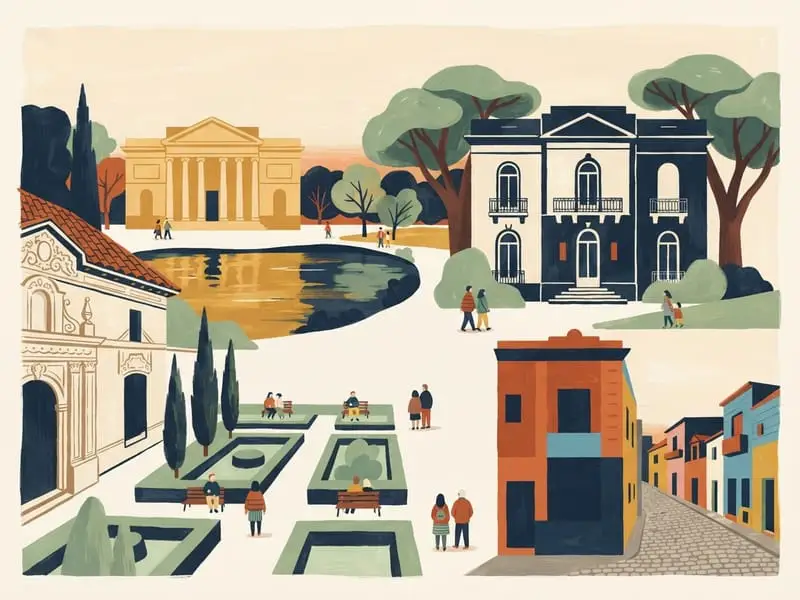
The museums run by the city government waive their fee on Wednesdays, but only for people who live in Argentina. The group includes the Larreta house with its Andalusian garden, the Sívori by the Rosedal, the Fernández Blanco colonial collection, the Quinquela Martín museum in La Boca and the Carlos Gardel house.
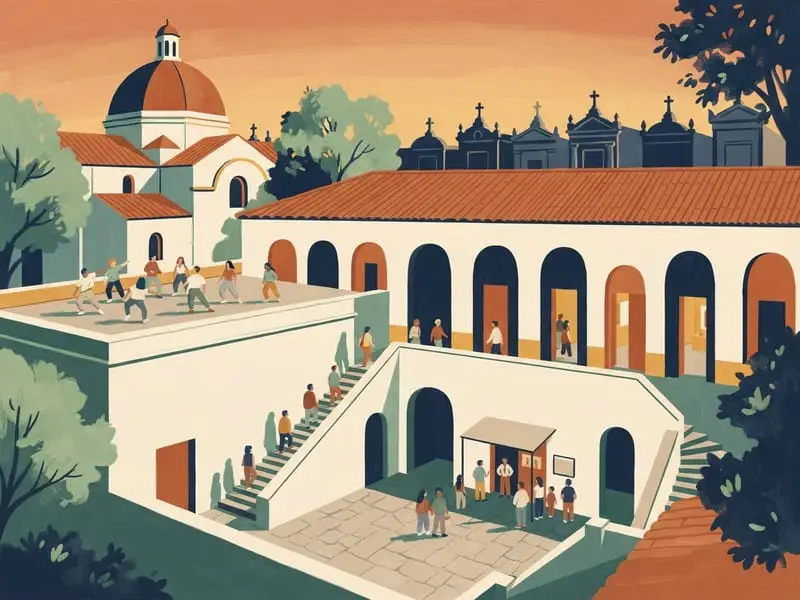
A former Franciscan convent beside the cemetery, with around 27 rooms of contemporary art, a cinema and a terrace where teenagers rehearse dance routines. It was free for all until the city began charging visitors from abroad.
They cost a little and give back a lot. Never mixed into the free lists.
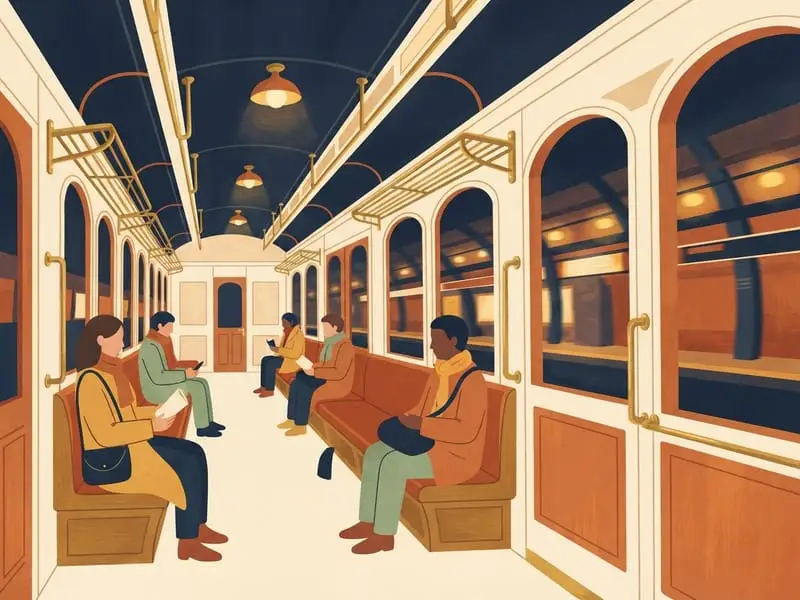 AR$ 1,817 (AR$ 2,525.63 with an unregistered SUBE card), October 2026
Line A opened in 1913 and was the first underground railway in Latin America. Several stations between Plaza de Mayo and Congreso keep their original tiles and iron columns.
Get off at Perú, the best-preserved station, then ride on to Primera Junta for the free historic tram on a weekend. Register the SUBE card online to pay the lower fare.
Source: Red SUBE, Argentina.gob.ar
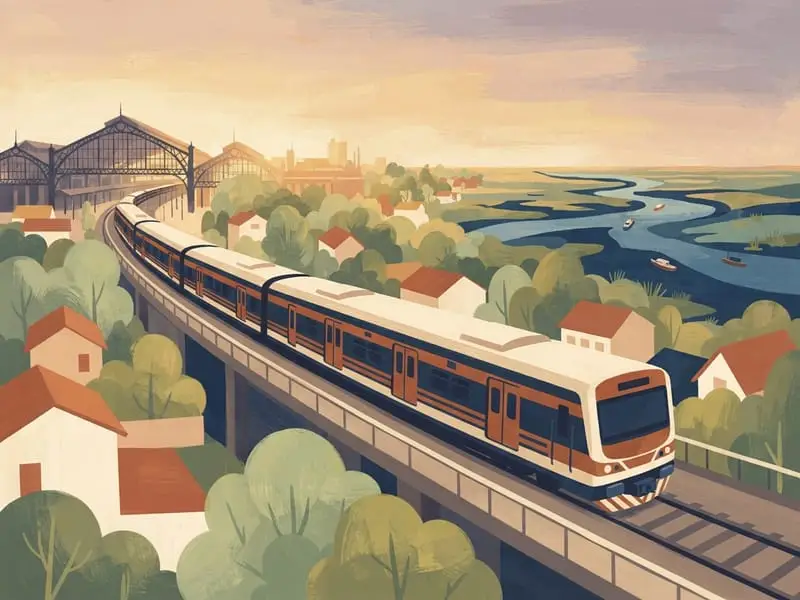 AR$ 790 at most (AR$ 1,580 with an unregistered SUBE card), October 2026
The commuter train from Retiro station runs north through the suburbs to Tigre, the town at the mouth of the Paraná delta, in about an hour. The riverfront, the fruit market and the walk along the Luján river are all free once you are there.
The cheapest day trip from the city by a wide margin. Leave before 10:00, and skip the tourist catamarans in favour of a walk along Paseo Victorica to the art museum's riverside terrace.
Source: Red SUBE, Argentina.gob.ar
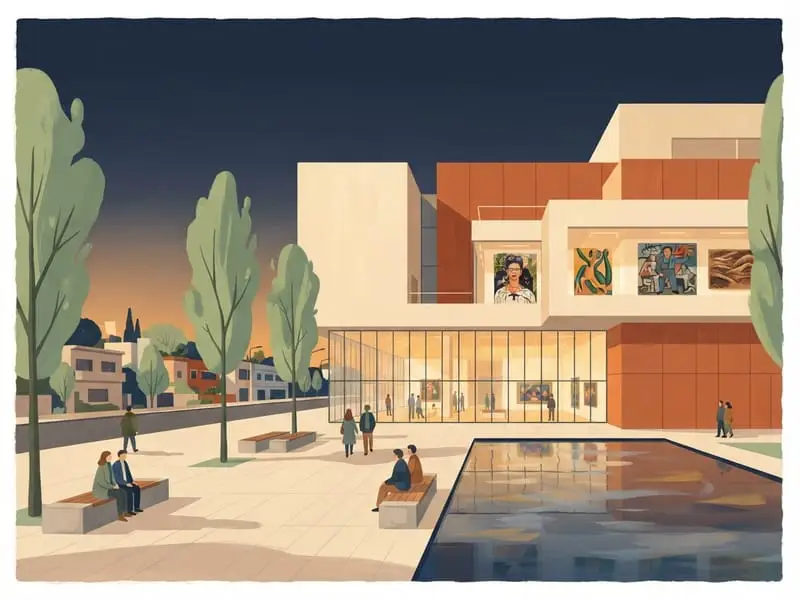 AR$ 7,000 on Wednesdays (AR$ 14,000 other days), October 2026
The private museum of Latin American art, with Frida Kahlo, Tarsila do Amaral, Diego Rivera and Antonio Berni in the permanent collection. Wednesday is half price for everyone and the museum opens an hour earlier, 11:00–20:00.
Not free, whatever older guides say, but half price is fair for the best collection of its kind. The museum runs open guided walks of the collection on Wednesdays at 17:00.
Source: MALBA
What you can eat or drink for nothing, and the local classics that cost very little.
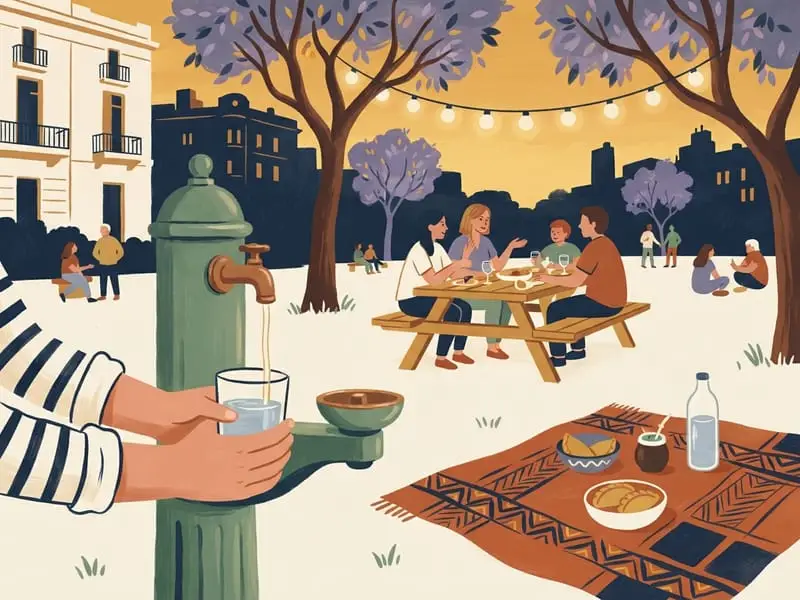 Free
FreeThe mains water supplied by AySA is treated to drinking standard, and locals drink it from the tap. Refill a bottle at your accommodation, or at the drinking fountains in parks such as Parque de la Memoria.
Always
Source: AySA
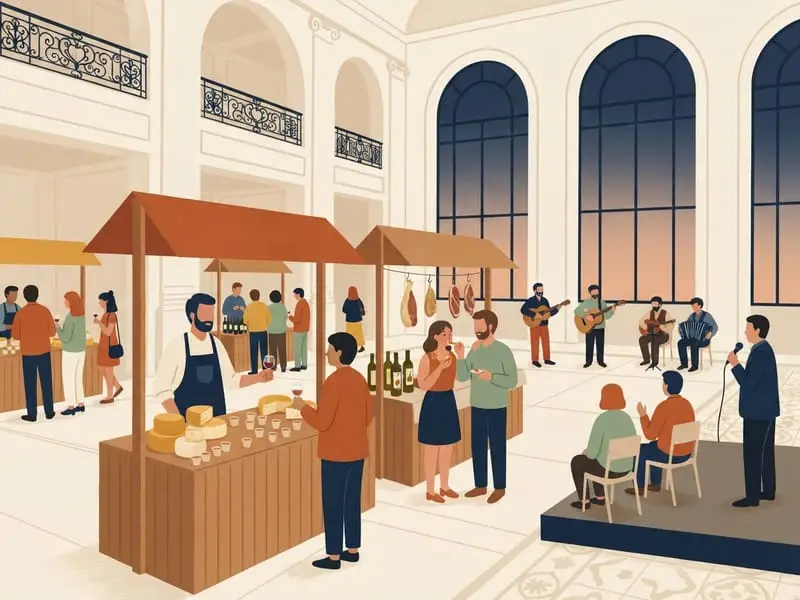 Free
FreeA food series at the national cultural centre where regional producers bring wine, cheese, olive oil and cured meats to taste and buy, with talks and live music. Entry is free. The April 2026 edition was three days of malbec.
Selected weekends. The malbec edition ran 17–19 April 2026. Check the Palacio Libertad programme for the next one.
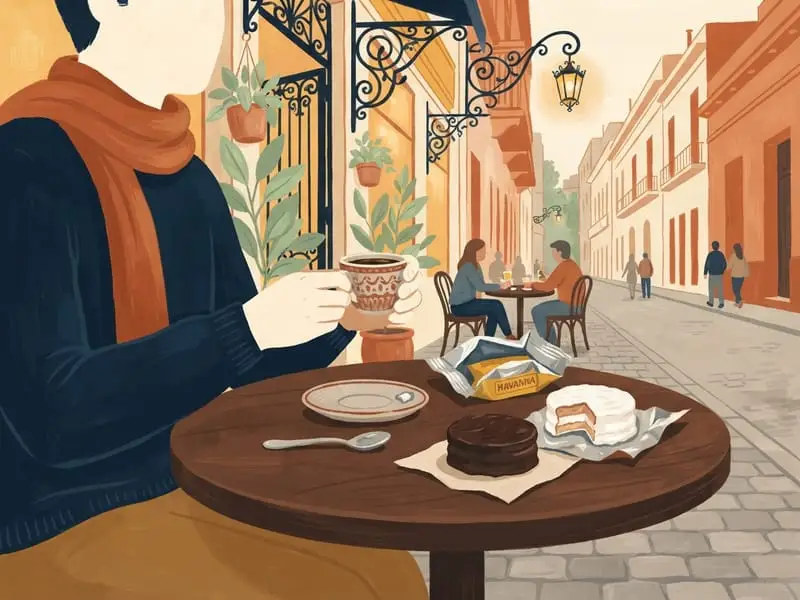 AR$ 14,000 for a box of six, about AR$ 2,330 each, October 2026
The alfajor is the national snack: two soft biscuits with dulce de leche between them, dipped in chocolate or meringue. Havanna, from Mar del Plata, is the classic brand and has a café on most central blocks.
Shops open daily. Buy the mixed box of six to share. The box of twelve is AR$ 27,000.
Source: Havanna
What opens, what closes and which free events come back each year.
Not for foreign visitors. The city now sells entry tickets through its Entradas BA platform, and the peso price is revised often, so check it on the day. It opens daily 9:00–17:00. Chacarita Cemetery, where Carlos Gardel is buried, is free for everyone.
No. Wednesday is half price: AR$ 7,000 instead of AR$ 14,000 for general admission, as listed by the museum in October 2026. Only students, teachers and retirees with ID get in free that day. MALBA is closed on Tuesdays.
Only partly. The city-run museums are free on Wednesdays for residents of Argentina, and tourists still pay AR$ 10,000. The Museo Moderno in San Telmo and the Museo del Agua are free for everyone on Wednesdays, and the national museums are free or by contribution every day they open.
Not for tourists. In June 2026 the city announced an entry fee for visitors from outside Buenos Aires. City residents, under-12s, over-65s and people with disabilities still enter free. It opens Tuesday to Sunday 11:00–18:00 and closes in rain.
Outdoor things and a few doors: Plaza de Mayo and the cathedral, Caminito, Puerto Madero, the Palermo parks, El Ateneo Grand Splendid, Chacarita Cemetery and the National Library tour at 12:00. The Ecological Reserve, the botanical garden and nearly every free museum are closed.
The Colón is one of the great opera houses of the world and there is no free way to see the inside. The guided tour takes you into the horseshoe auditorium, the Golden Hall and the foyer. Book it on the theatre site a few days ahead, since the English-language slots sell out first.
Everything above is free. This is the only paid pick on the page, chosen because no free option replaces it.
See tickets and prices