Lisbon Free Walking Tour
3h · rated 9.8/10 in 102,669 reviews
Guided in English
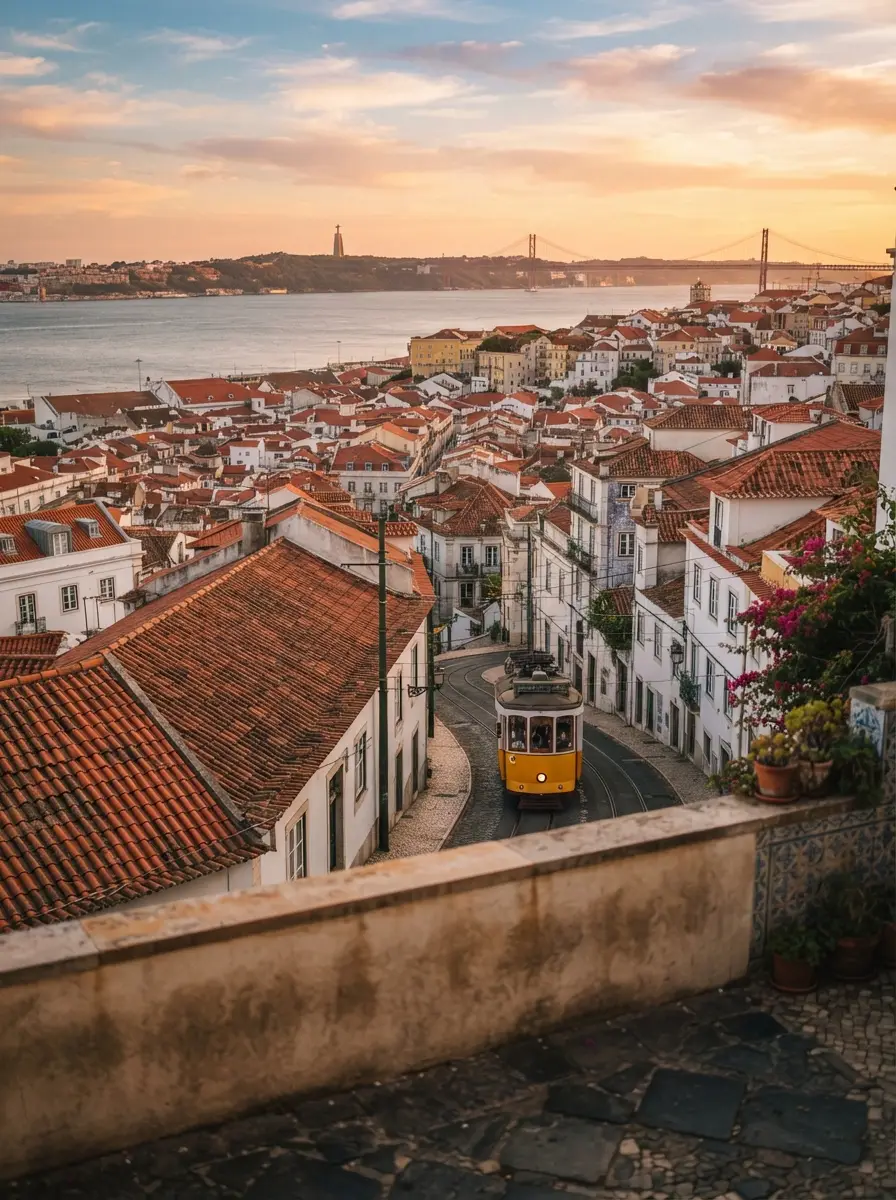
Reserve a spotLisbon's best free things are outdoors and uphill. The viewpoints at Senhora do Monte, Graça and São Pedro de Alcântara cost nothing at any hour, and neither do Alfama's stairways, the river steps at Ribeira das Naus or the flea market on Tuesdays and Saturdays. Museums are harder than old guides suggest. Since 2024 the national monuments, Jerónimos and Belém Tower included, are free only for people who live in Portugal. What visitors still get: the Gulbenkian on Sunday afternoons, the Museu do Oriente on Friday evenings, the Money Museum from Wednesday to Sunday, and a handful of Sunday mornings. Everything below was checked against official sources in October 2026.
These have no fixed price. You reserve a spot, and at the end you tip the guide what you think the tour was worth.
3h · rated 9.8/10 in 102,669 reviews
Guided in English
Reserve a spot2h30 · rated 9.8/10 in 18,393 reviews
Guided in English
Reserve a spot2h30 · rated 9.7/10 in 12,378 reviews
Guided in English
Reserve a spotSpots are booked through Civitatis.
Open to everyone, every day they are open. No ticket to buy.
 FREE
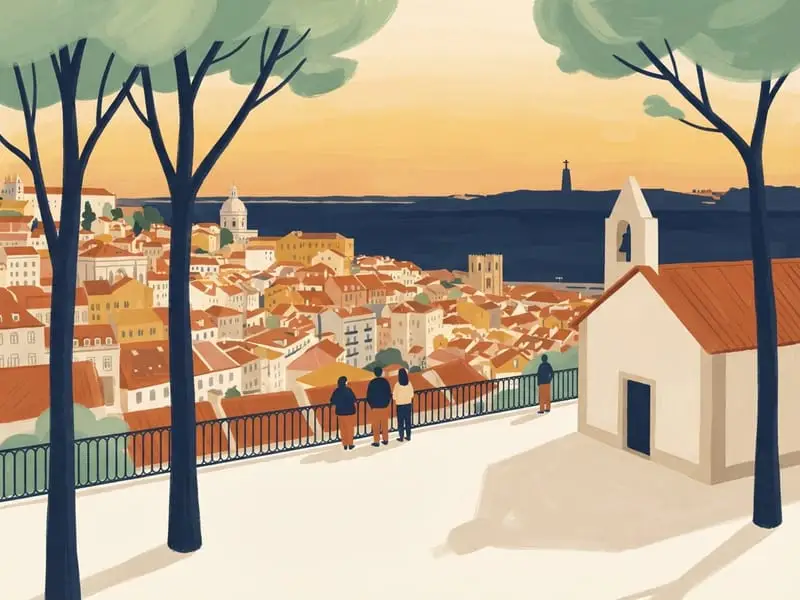
FREEThe highest of the central viewpoints, on a terrace under pine trees beside a small chapel. You look down on the castle, the Baixa grid, the river and the bridge in one sweep.
 FREE
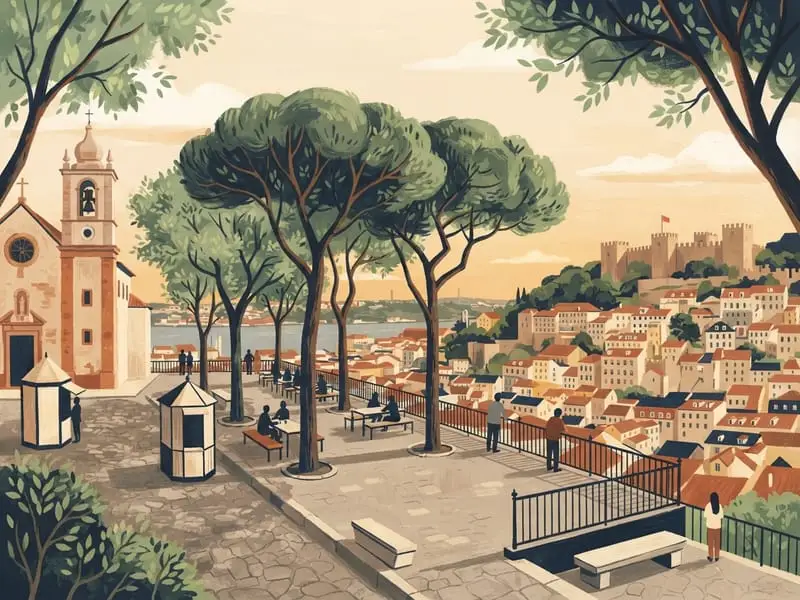
FREEA shaded terrace in front of the Graça church, level with the castle walls on the next hill. A kiosk sells drinks, but the low wall is free to sit on.
 FREE
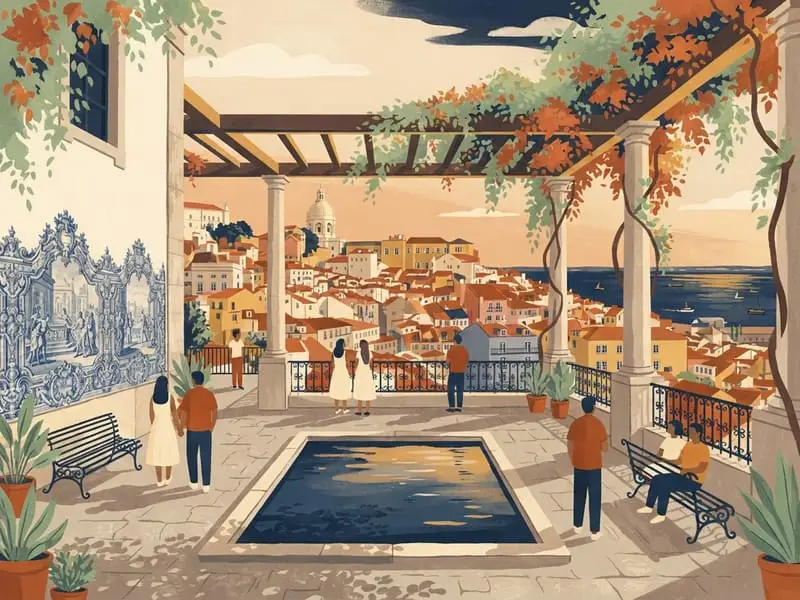
FREEA small garden terrace above Alfama with a pergola, a pond and blue tile panels on the church wall. Below you are the rooftops, the dome of Santa Engrácia and the river.
 FREE
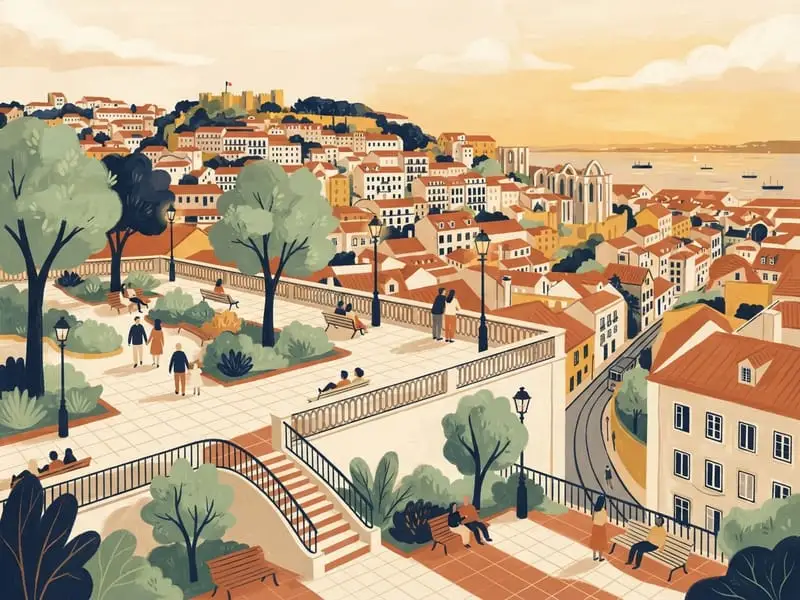
FREEA two-level garden on the edge of Bairro Alto facing east. The view runs across Avenida da Liberdade and the Baixa to the castle and the Graça church on the opposite hills.
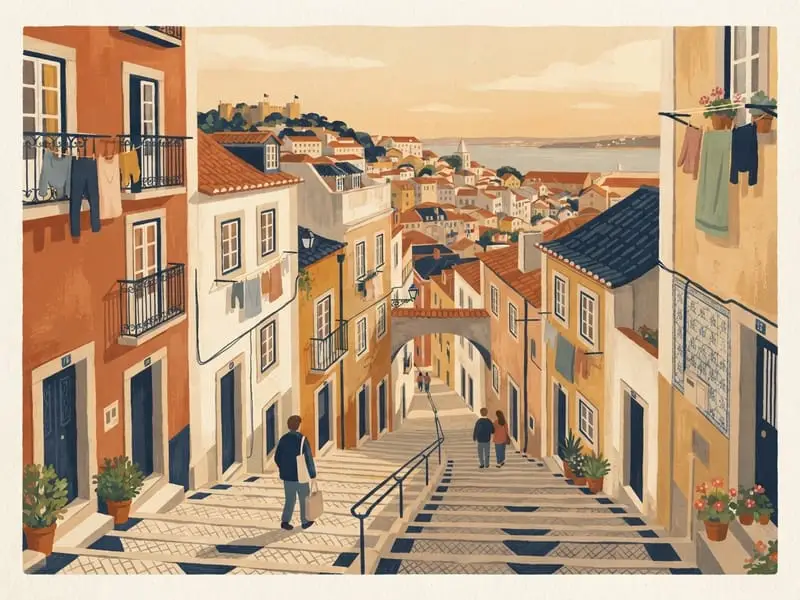 FREE
FREEThe oldest quarter in Lisbon, a slope of stairways, arches and tiny squares between the castle and the river. It survived the 1755 earthquake, so the street plan is still medieval.
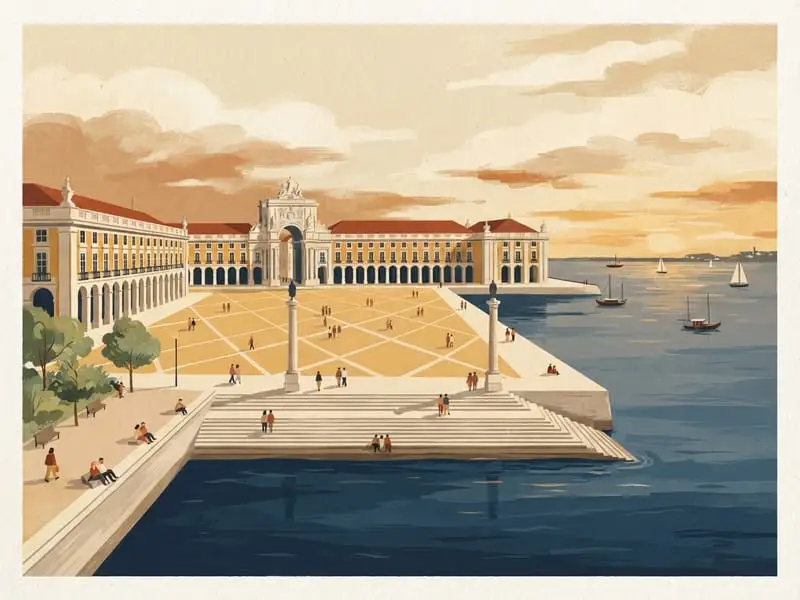 FREE
FREEThe huge arcaded square that opens the city to the Tagus, with the marble steps of Cais das Colunas dropping into the water. From there a riverside promenade with a grass slope and stone steps runs west to Cais do Sodré.
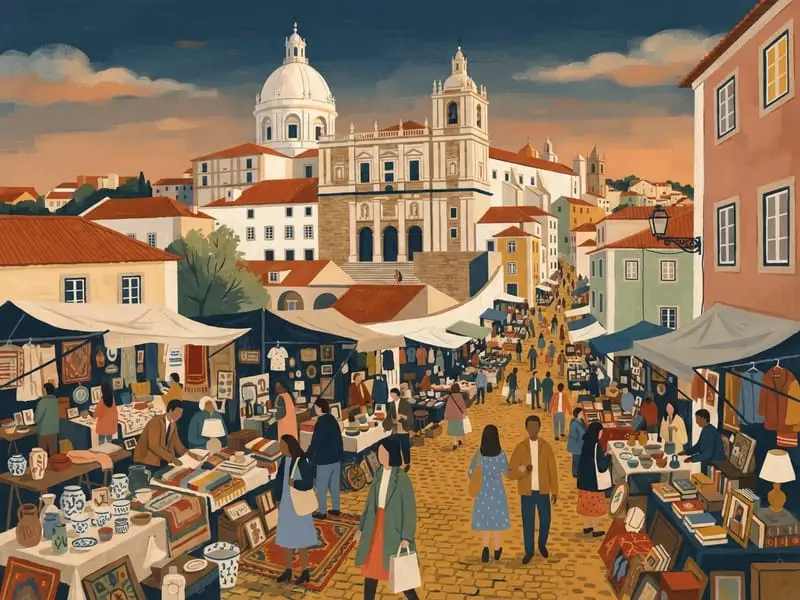 FREE
FREELisbon's flea market, held in Campo de Santa Clara behind São Vicente de Fora. It mixes house clearances laid out on blankets with stalls of tiles, vinyl, old cameras and army surplus.
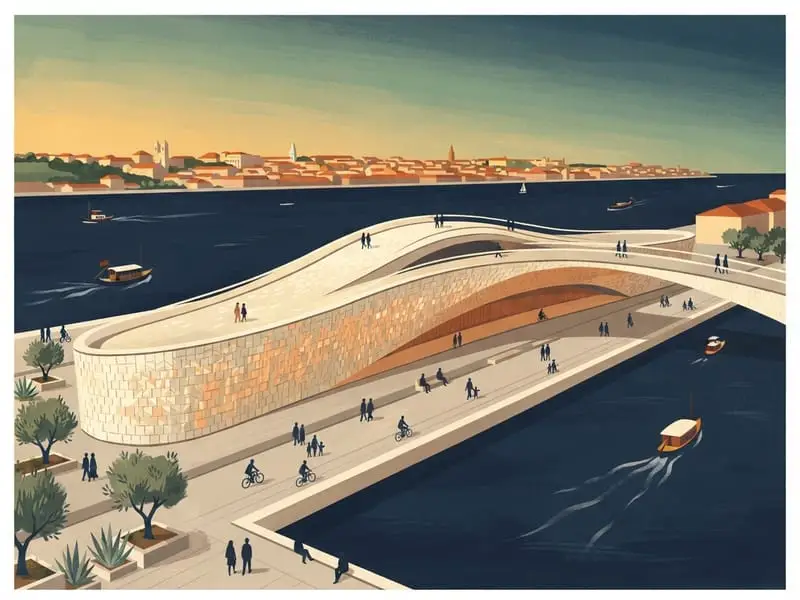 FREE
FREEThe low white wave of a building by Amanda Levete, covered in thousands of glazed tiles that catch the light off the Tagus. The roof was designed as a public space linked to the city by a footbridge over the railway. Seeing it from outside is free. The exhibitions are not.
 FREE
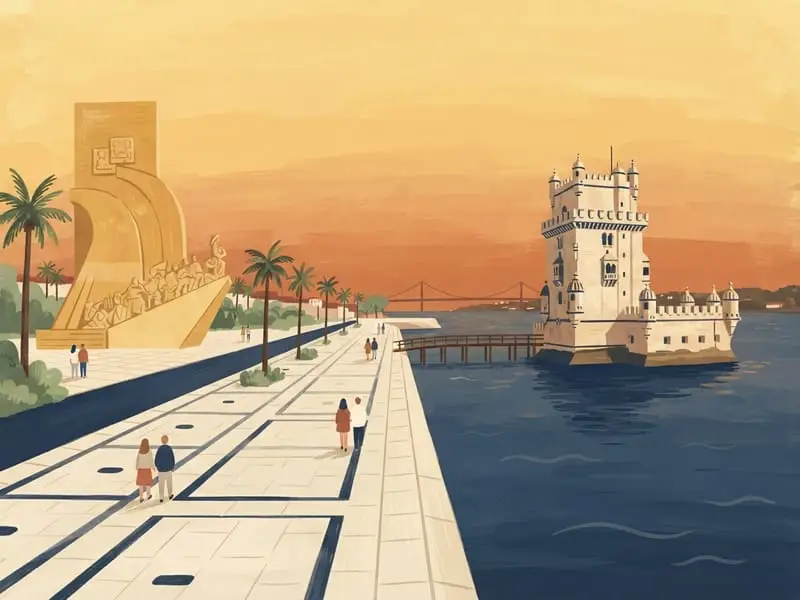
FREEA flat walk along the Tagus from the Discoveries monument to the 16th-century Belém Tower, which stands in the water just off the bank. Going inside the tower costs €15. The stonework, the rope carvings and the famous rhinoceros gargoyle are all on the outside.
 FREE
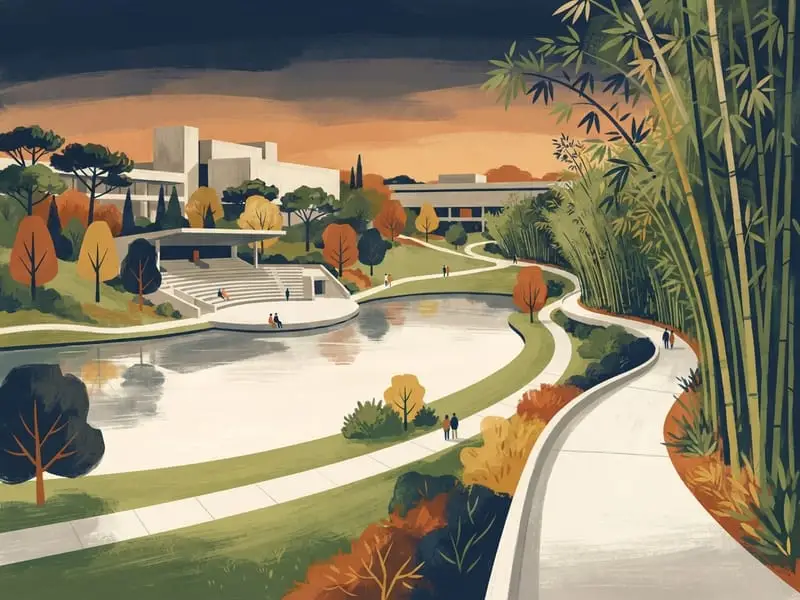
FREEA modernist garden from the 1960s wrapped around the Gulbenkian Foundation, with a lake, an open-air amphitheatre and concrete paths that disappear into bamboo. Locals come to read, and ducks walk across the lawns.
 FREE
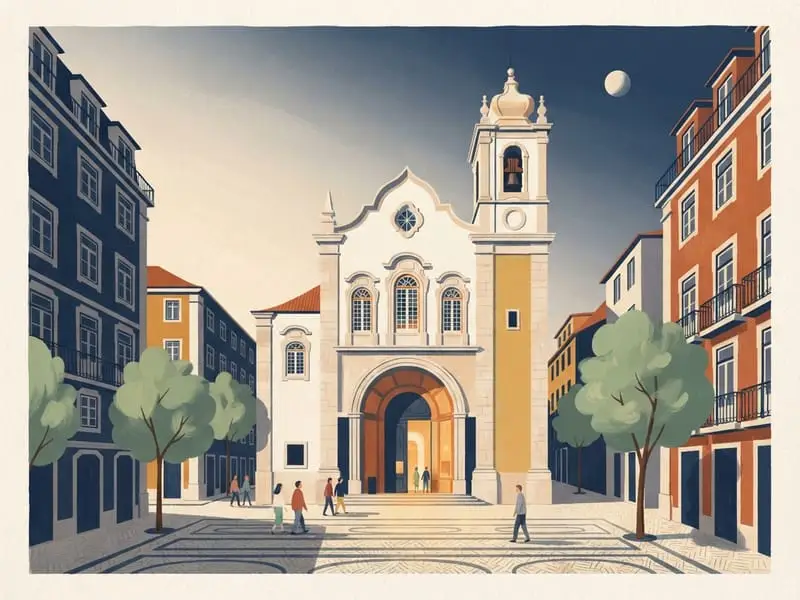
FREEThe Bank of Portugal's money museum, set inside the former church of São Julião. You can lift a real gold bar, mint a coin with your face on it, and go down to a stretch of King Dinis's 13th-century city wall in the crypt.
 FREE
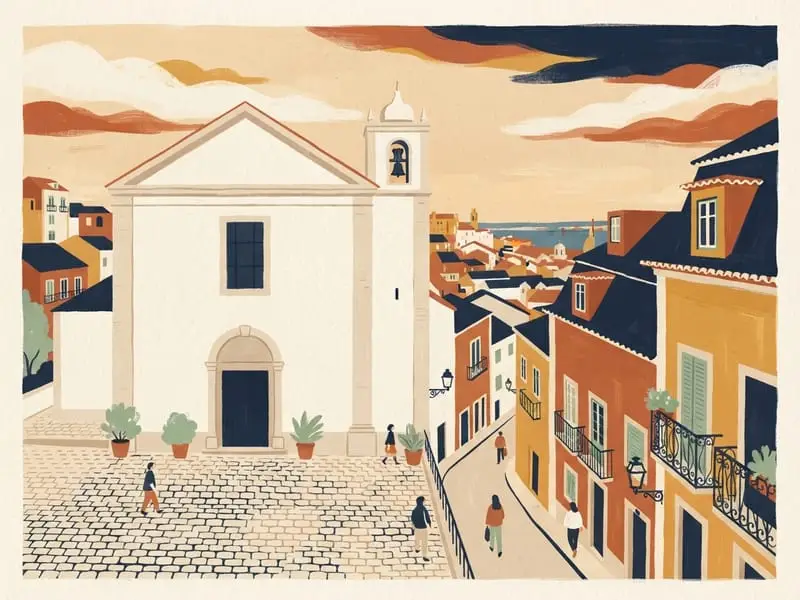
FREEA plain Jesuit façade hiding one of the richest interiors in Portugal. The Chapel of St John the Baptist was built in Rome in the 1740s out of lapis lazuli, agate and gilt bronze, then shipped to Lisbon in pieces.
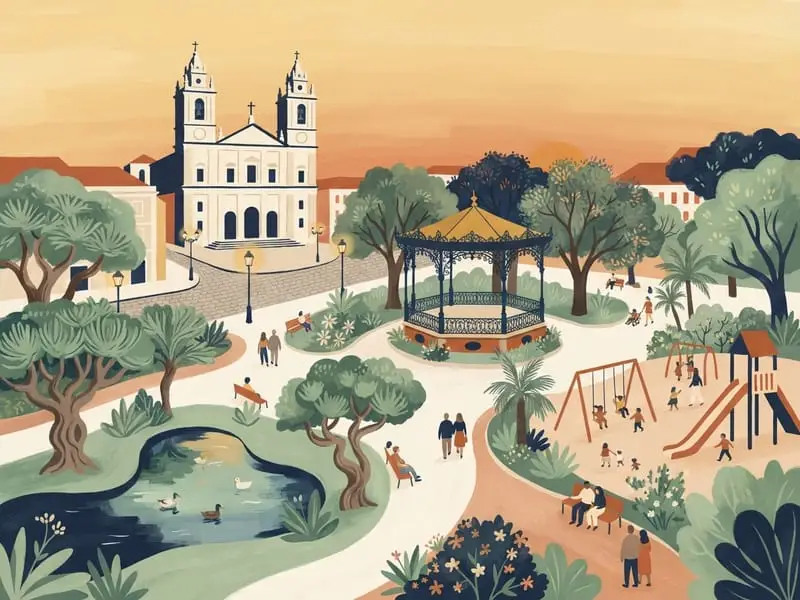 FREE
FREEA 19th-century neighbourhood park across the road from the Estrela basilica, with a wrought-iron bandstand, duck ponds, a playground and old dragon trees. On weekends half the district is here.
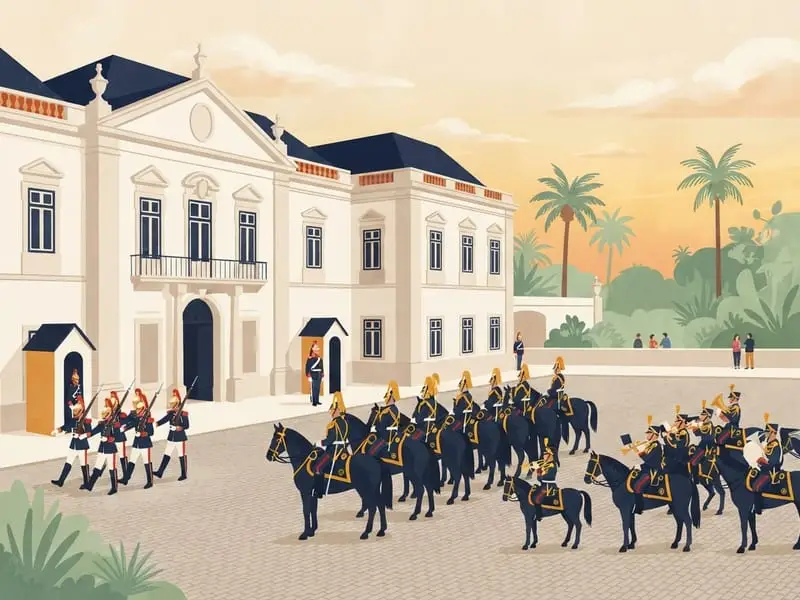 FREE
FREEOnce a month the National Republican Guard changes the guard at the President's official residence with cavalry, a mounted band and soldiers in dress uniform. It happens in the street and square in front of the pink palace.
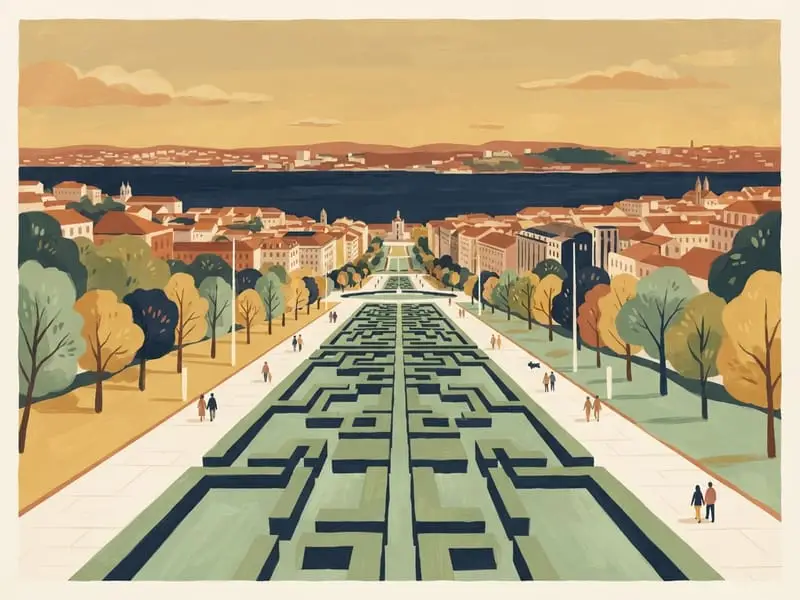 FREE
FREEA long sloping park with a clipped box-hedge parterre down the middle. From the top you look straight down the axis to the Marquês de Pombal statue, Avenida da Liberdade and the river.
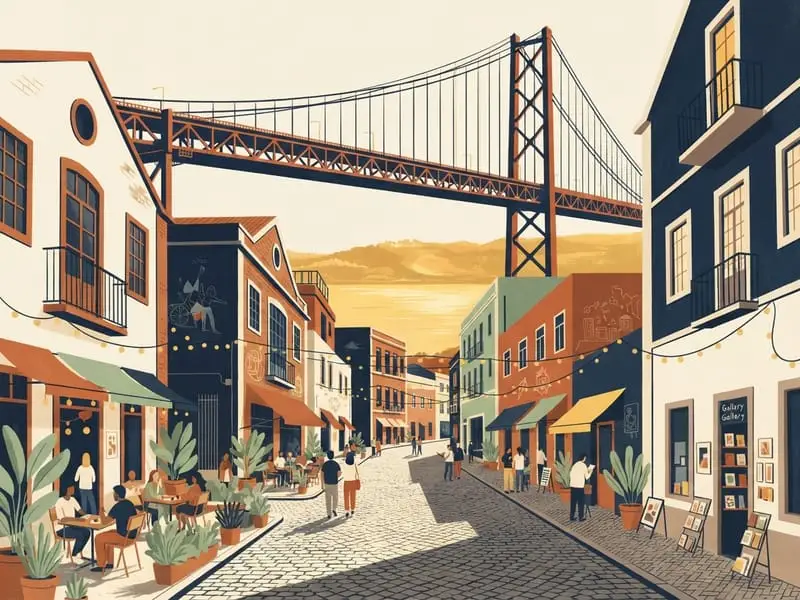 FREE
FREEA 19th-century textile and printing complex under the 25 de Abril bridge, now a single street of shops, studios, murals and restaurants. Walking in costs nothing. On Sundays the LX Market fills the lane with craft and vintage stalls.
 FREE
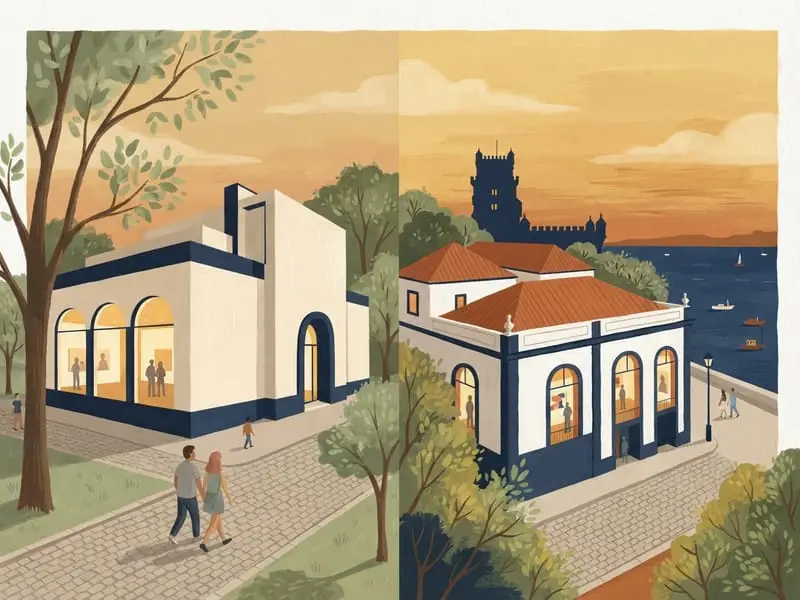
FREEThe city runs five contemporary art spaces with free entry, showing mostly Portuguese and Portuguese-speaking artists. The two worth planning for are Pavilhão Branco, in the garden of the Palácio Pimenta at Campo Grande, and the Torreão Nascente da Cordoaria Nacional near Belém.
 FREE
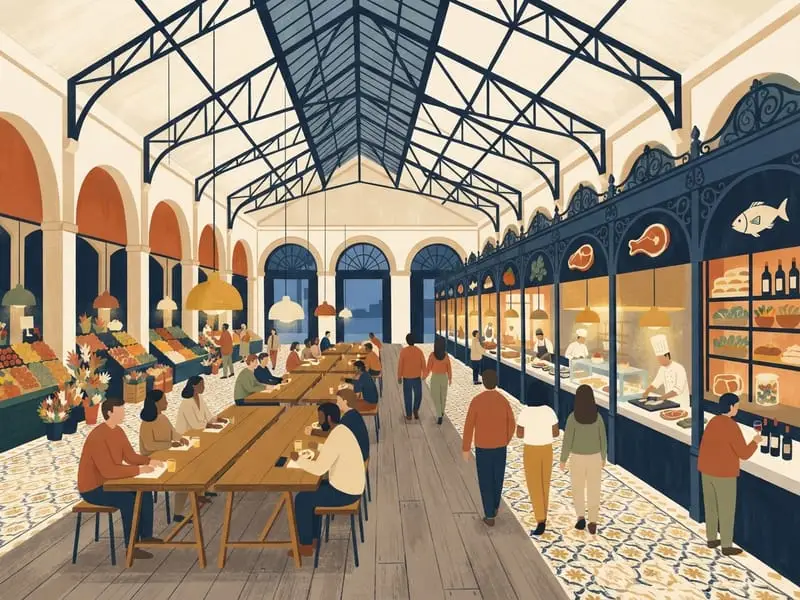
FREEThe 1882 Ribeira market hall, half of it now a food court with 26 restaurant counters under the iron roof. Entry is free and you can walk through without buying.
Mostly museums. The free window, who it applies to and the booking rule are on each card.
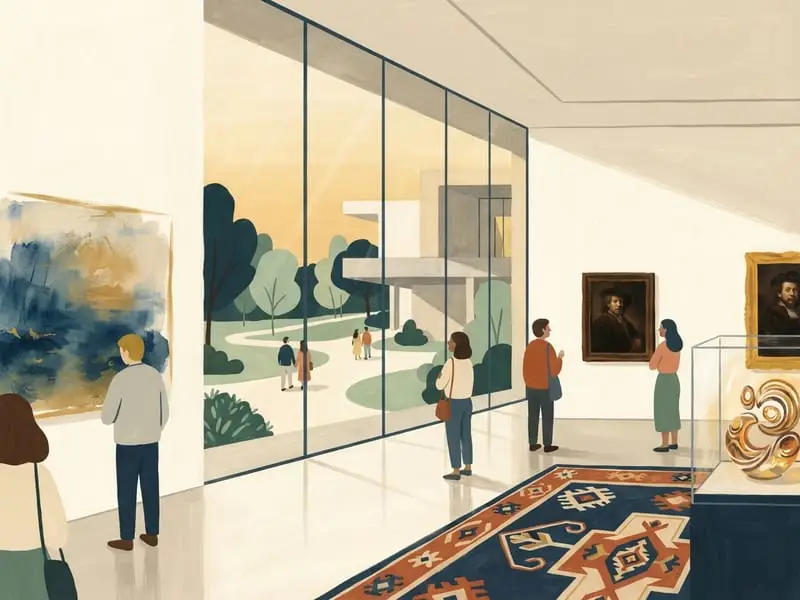
One man's collection, and one of the best small museums in Europe: Egyptian pieces, Persian carpets, Rembrandt, Turner, Monet and a room of René Lalique jewellery. It is free every Sunday from 14:00.
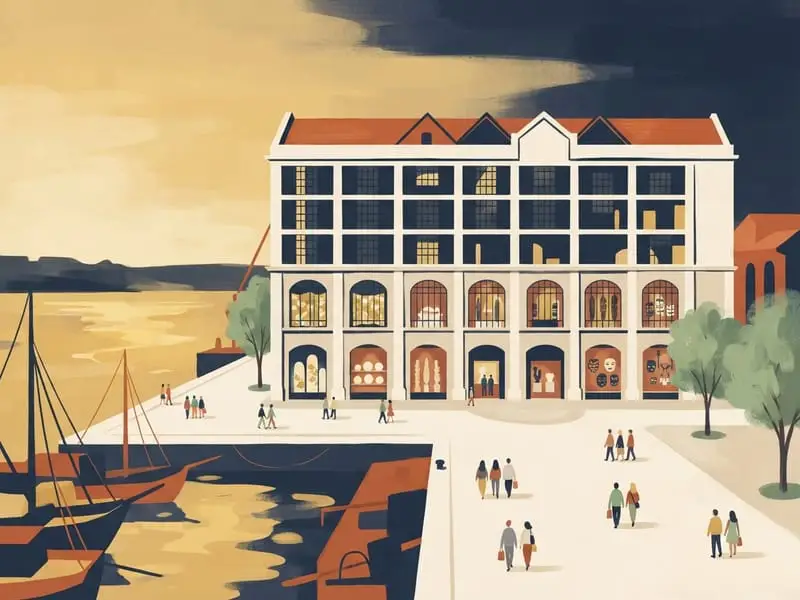
A converted 1940s cod warehouse on the docks holding Portugal's Asian story: Namban screens from Japan, Macau porcelain, Timorese carvings and a large collection of Asian masks and puppets. Entry is free for the last two hours every Friday.
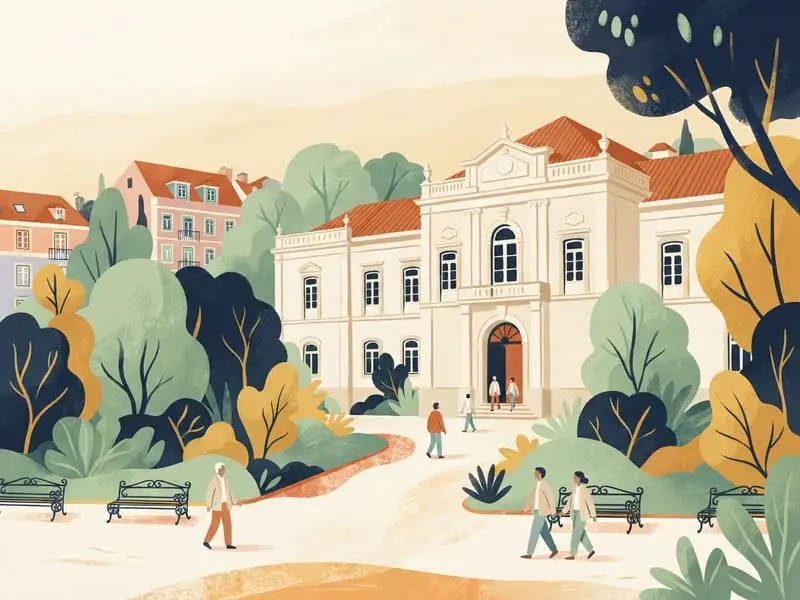 FREE
FREEThe University of Lisbon's museum in the old Polytechnic School. The draw is the 19th-century chemistry laboratory and lecture theatre, kept as they were, plus minerals, dinosaurs and hands-on physics for children.
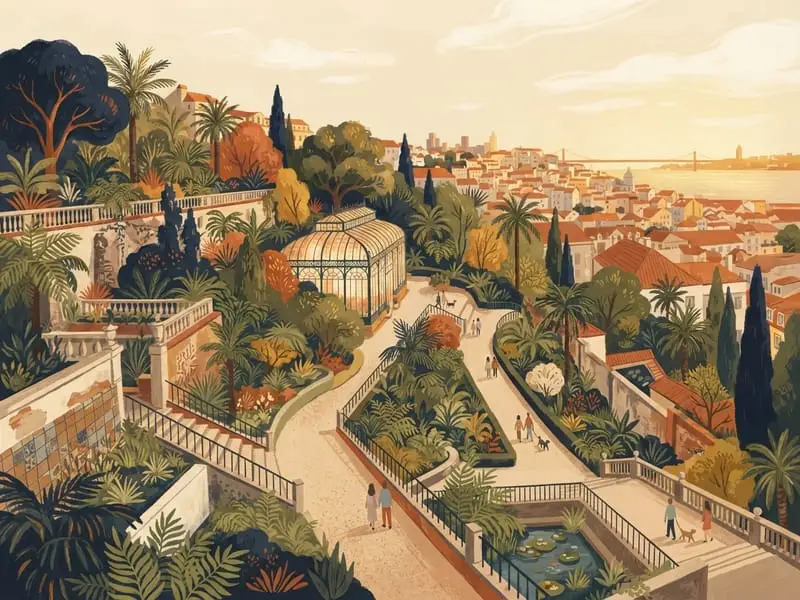 FREE
FREEA walled botanical garden from 1878 on the slope between Príncipe Real and Avenida da Liberdade. Tall palms, cycads and a huge Moreton Bay fig grow in terraces, and you barely hear the city.
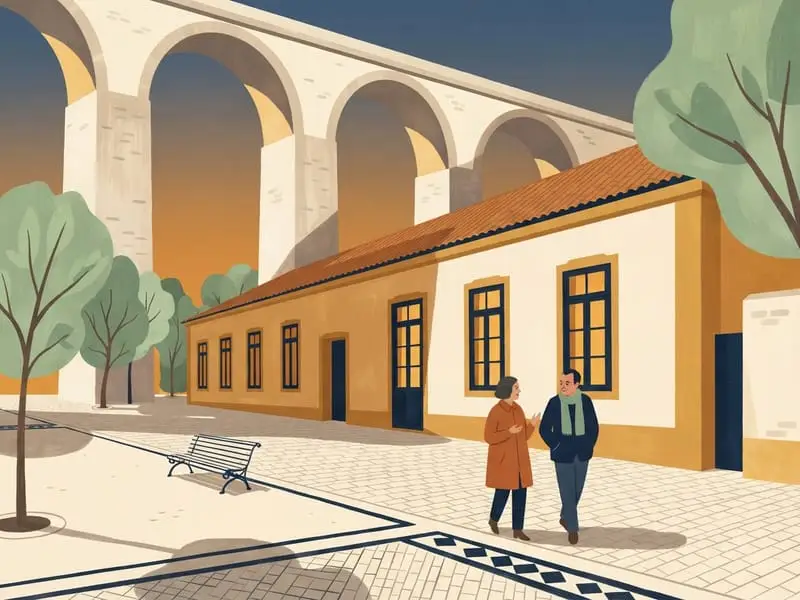
A former royal silk factory on a quiet square under the aqueduct arches, showing the abstract painter Maria Helena Vieira da Silva and her husband Arpad Szenes. It is free for everyone all day on Sundays.
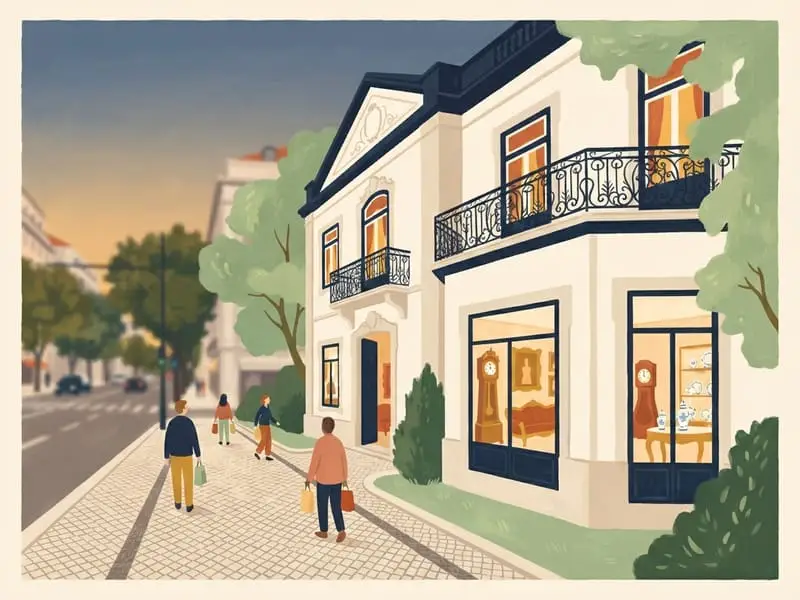
A collector's mansion two blocks from Avenida da Liberdade, left furnished as he lived in it and stuffed with clocks, Chinese porcelain, silver and French furniture. Entry is free on the first Saturday morning of the month.
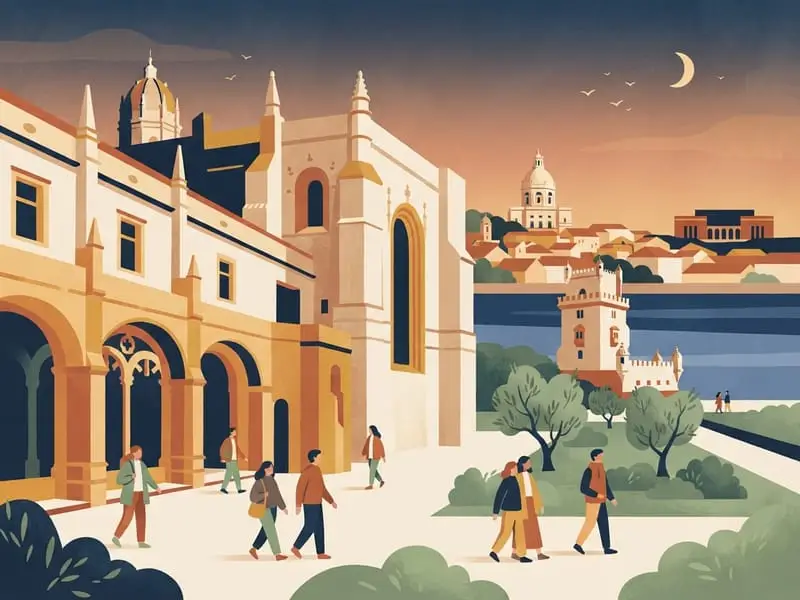
Portugal's 37 national museums, monuments and palaces, including the Jerónimos cloister, Belém Tower, the Coach Museum and the National Pantheon, are free for residents of Portugal on any 52 days a year. Tourists pay full price every day, Sundays included.
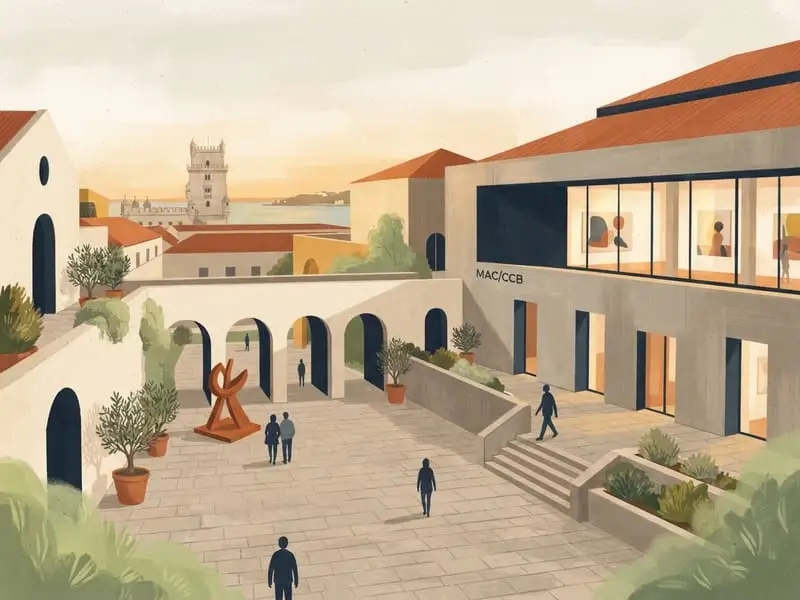
The contemporary art museum inside the Centro Cultural de Belém, home of the former Berardo collection: Warhol, Picasso, Bacon, Paula Rego. It used to be free for all. Now it charges €15, with free Sunday mornings only for people who live in Portugal.
They cost a little and give back a lot. Never mixed into the free lists.
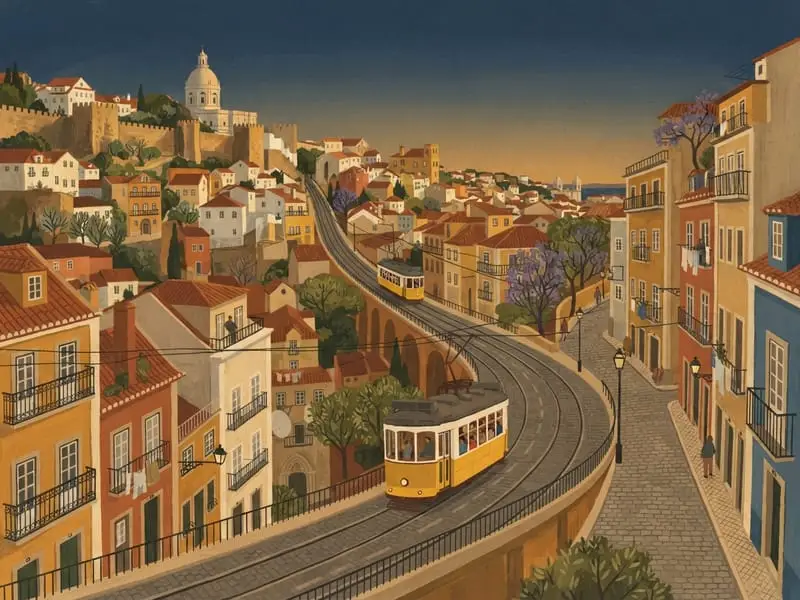 €1.72 with zapping credit, €3.30 if you pay on board
The yellow 1930s tram that grinds up through Graça, squeezes past Alfama's walls and rattles down to Estrela. It is ordinary public transport, so a normal fare covers the whole 40-minute line.
Load zapping credit on a navegante card at any metro station, the driver's fare is nearly double. Board at Martim Moniz before 8:30 or after 19:00 to get a seat, and keep your bag in front of you.
Source: Carris
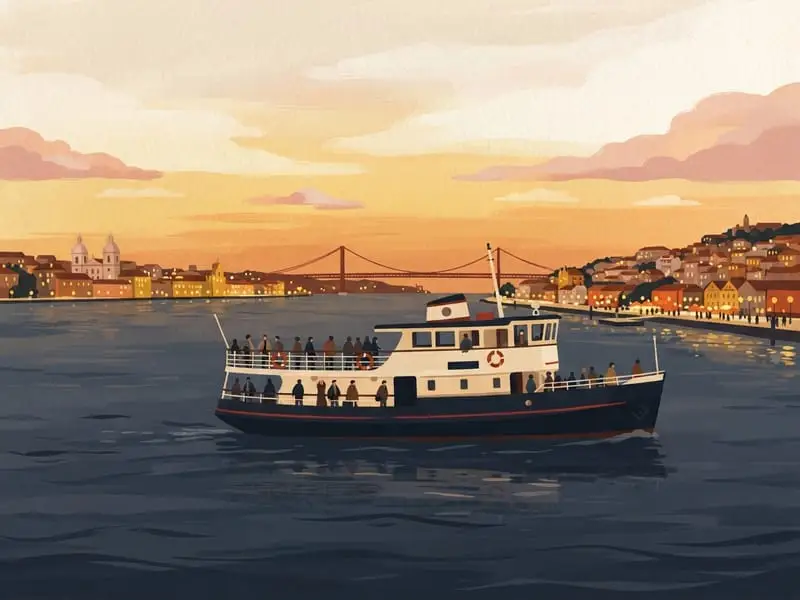 €2.00 single, €1.60 with zapping
A ten-minute commuter ferry across the Tagus from Cais do Sodré to Cacilhas. From the deck you get the whole Lisbon waterfront, the bridge and the hills stacked behind.
The cheapest river cruise there is. Cross about 40 minutes before sunset, walk the quay west past the old warehouses, and come back with the city lit up.
Source: Transtejo Soflusa
 €4
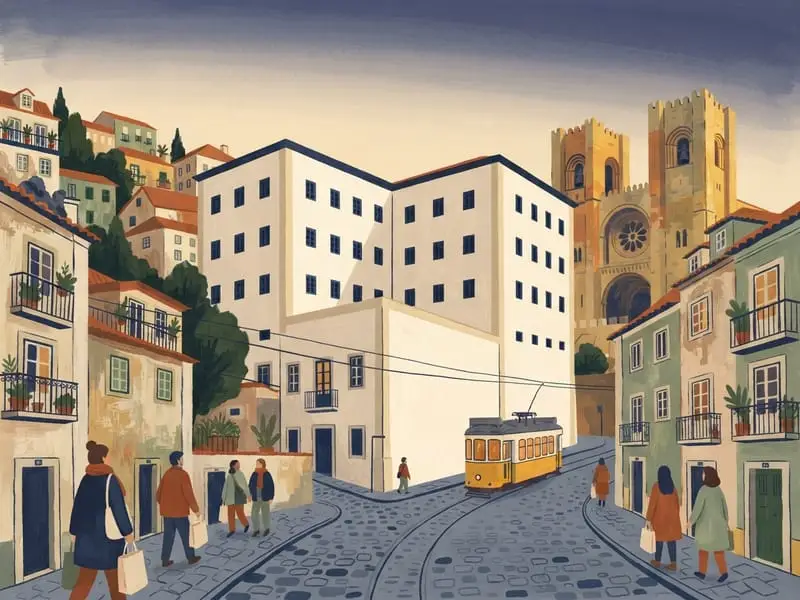
€4The former political prison beside the cathedral, now a museum of the dictatorship and the resistance to it. Four floors cover censorship, the secret police and the isolation cells prisoners called drawers.
The clearest way to understand what 25 April 1974 ended, for the price of two coffees. Open Tuesday to Sunday 10:00–18:00. Allow an hour and a half.
Source: Museu do Aljube / EGEAC
What you can eat or drink for nothing, and the local classics that cost very little.
 €1.60
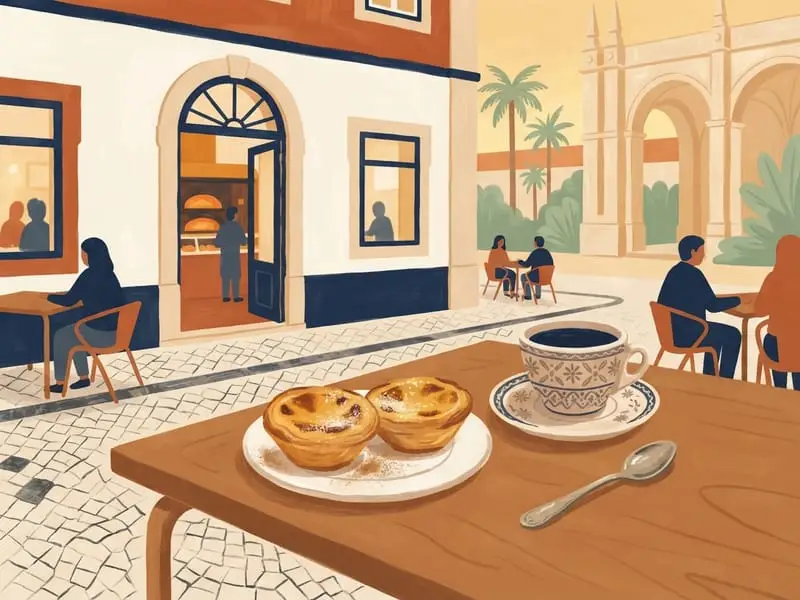
€1.60The original custard tart, baked since 1837 from a recipe that started in the monastery next door. Served warm, with cinnamon and icing sugar shakers on the table.
Daily from early morning to late evening. The takeaway line on the street moves fast, and the tiled rooms inside usually have free tables further back.
Source: Pastéis de Belém
 €1.20
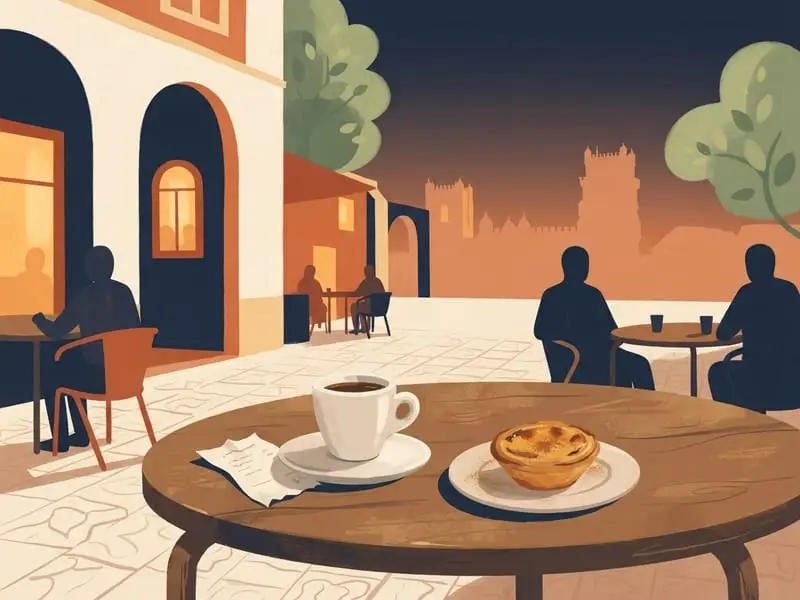
€1.20An espresso, called a bica in Lisbon, costs €1.20 even at the most famous pastry shop in the country. Tart plus coffee comes to €2.80, which is breakfast.
Any time the shop is open. Prices are the same seated or standing here, which is not true everywhere in the centre.
Source: Pastéis de Belém
 About €2
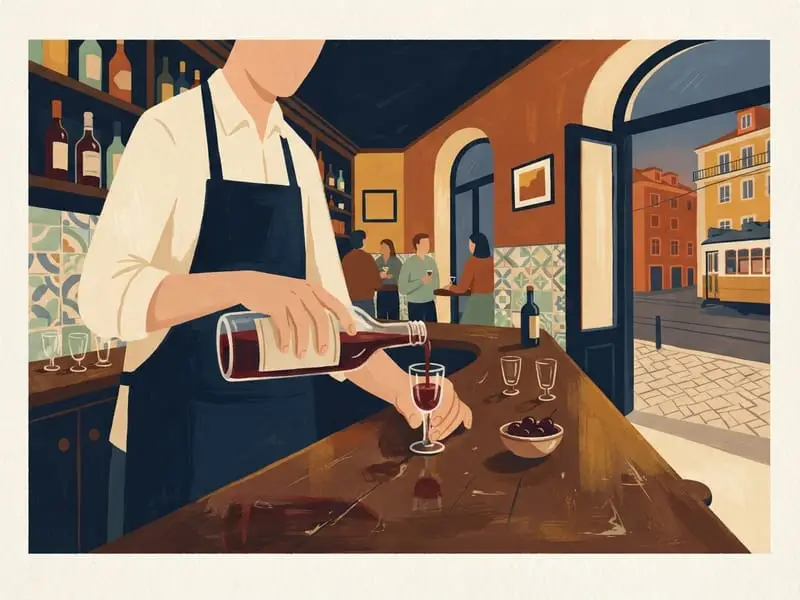
Sour cherry liqueur poured from the bottle at a one-room bar open since 1840. You drink it standing on the pavement of Largo de São Domingos. Say 'com elas' if you want the cherries in the glass.
Daily, morning to late evening. The price per glass is not posted on the bar's website, so check the board at the counter.
Source: A Ginjinha Espinheira
What opens, what closes and which free events come back each year.
Not the national ones, and not for tourists. Since 2024 they give residents of Portugal 52 free days a year instead. Visitors can still get in free on Sundays at the Gulbenkian from 14:00, the Arpad Szenes–Vieira da Silva Museum all day, and the university's science museum and botanical garden from 10:00 to 13:00.
Only for residents of Portugal, who can use one of their 52 free days with a citizen card, and for children up to 12. Everyone else pays €18. The carved south portal faces the street and can be seen without a ticket.
The outside is, and that is the part worth seeing. Going in costs €15, Tuesday to Sunday 9:30–17:30. Residents of Portugal can enter free on up to 52 days a year.
No. The adult ticket is €17 and the official price list gives free entry only to children up to 12 and a few professional categories. The Graça and Senhora do Monte viewpoints give a similar panorama, castle included, for nothing.
Only for residents of Portugal, and only from 10:00 to 13:00. For everyone else it is €16. The riverside steps and the outside of the building are public space and cost nothing.
The two-storey cloister is the finest Manueline stonework anywhere, every arch carved with ropes, coral and sea creatures, and nothing free in Lisbon comes close. At €18 it is the dearest ticket in Belém, so go at 9:30 opening when the stone is in soft light and the tour groups have not arrived.
Everything above is free. This is the only paid pick on the page, chosen because no free option replaces it.
See tickets and prices