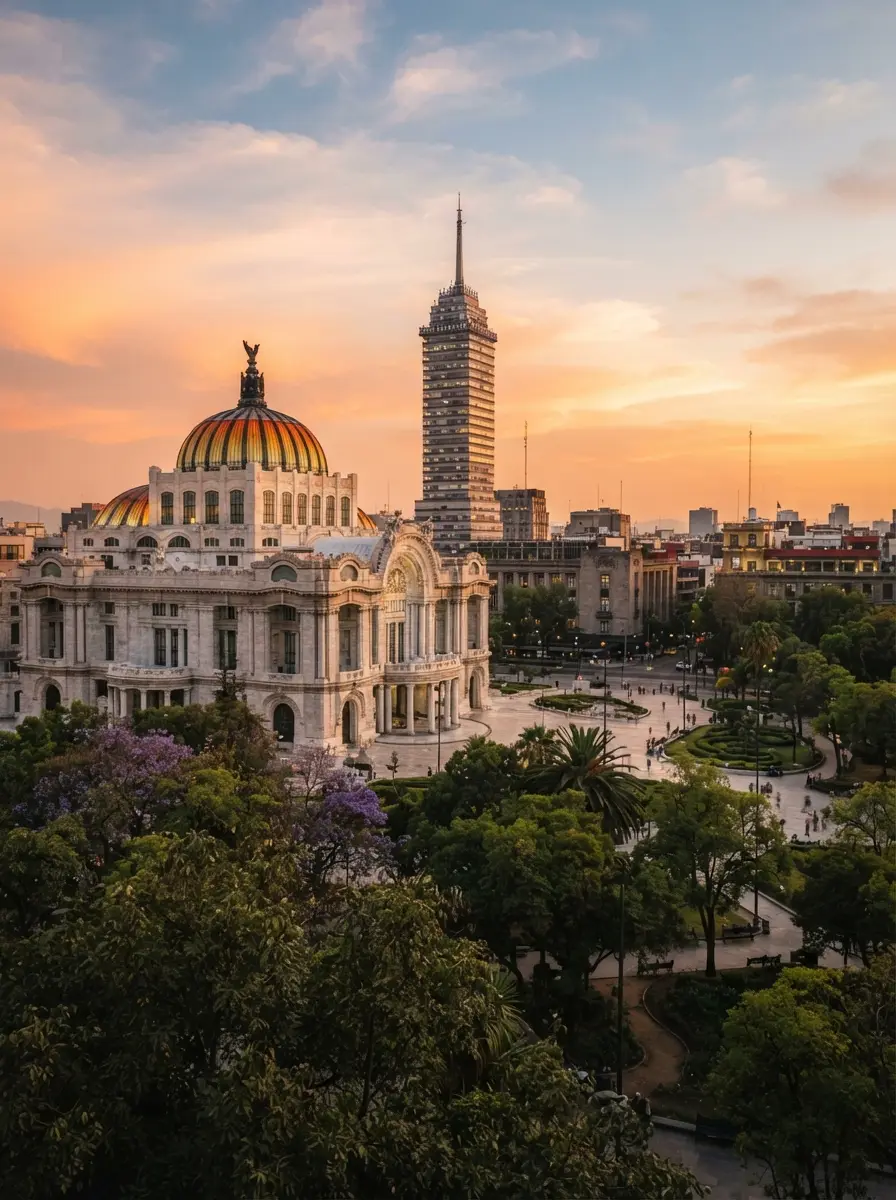
Mexico City Free Walking Tour
2h30 · rated 9.6/10 in 2,813 reviews
Guided in Spanish, English
Reserve a spotMexico City is generous to a visitor with no budget, as long as you know one rule. The famous free Sundays at the national museums are for Mexicans and residents, not tourists. What is free for everybody is still a long list: the Zócalo and the cathedral, Diego Rivera's murals at the Education Ministry, the Soumaya and Jumex museums in Polanco, Chapultepec park with its zoo and the former presidential residence, the UNAM campus, and Paseo de la Reforma closed to cars on Sunday mornings. Add a MX$5 metro ride and you can cross the whole city. Everything below was checked against official sources in October 2026.
These have no fixed price. You reserve a spot, and at the end you tip the guide what you think the tour was worth.
2h30 · rated 9.6/10 in 2,813 reviews
Guided in Spanish, English
Reserve a spot2h · rated 9.2/10 in 593 reviews
Guided in Spanish, English
Reserve a spot2h15 · rated 8.3/10 in 251 reviews
Guided in Spanish, English
Reserve a spotSpots are booked through Civitatis.
Open to everyone, every day they are open. No ticket to buy.
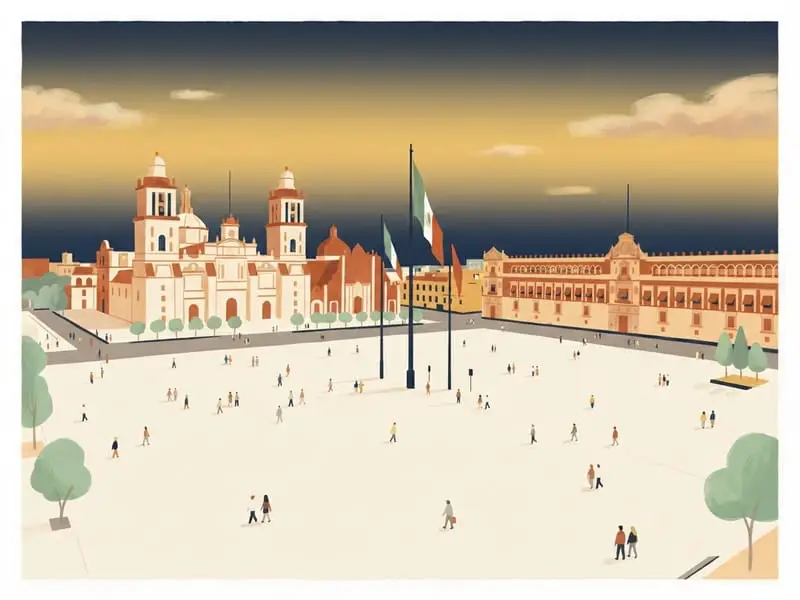 FREE
FREEThe main square, one of the largest in the world, with the cathedral on the north side and the National Palace along the east. Most of the city's free concerts, fairs and the Day of the Dead altar happen on this slab of paving.
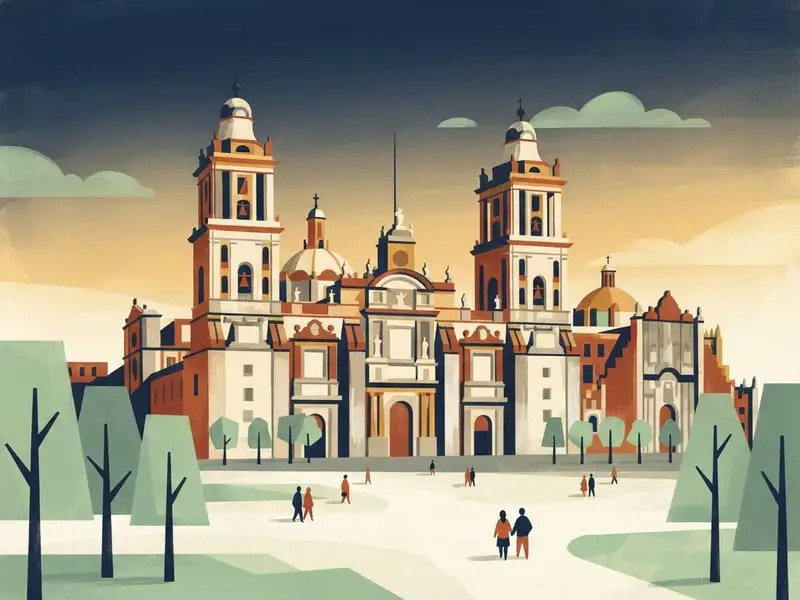 FREE
FREEThe first cathedral built in the Americas, begun in the 16th century and finished in 1813, with five naves and fourteen side chapels open to visitors. Walking in is free. Only the bell tower and guided tours are charged.
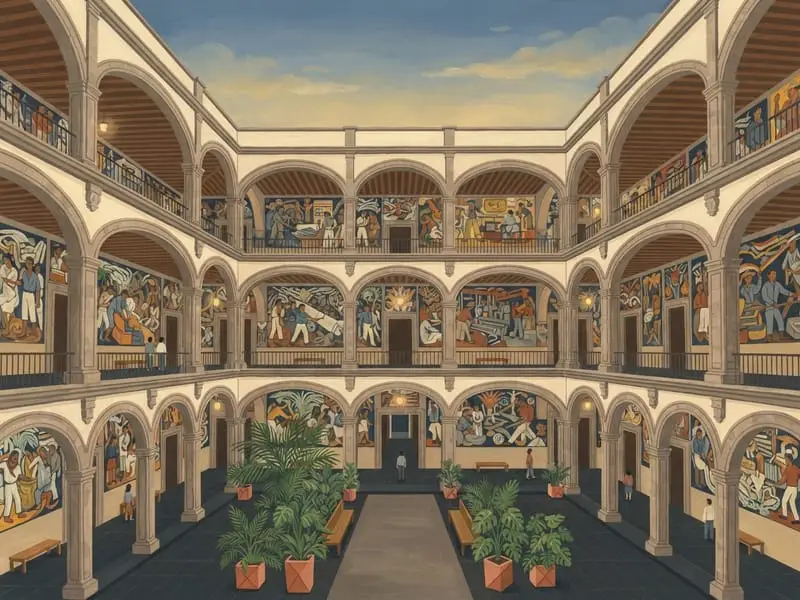 FREE
FREEThe old Education Ministry building, where Diego Rivera covered three floors of two courtyards with more than a hundred fresco panels in the 1920s. It reopened as a free museum and is the easiest place in the city to see Rivera at full scale.
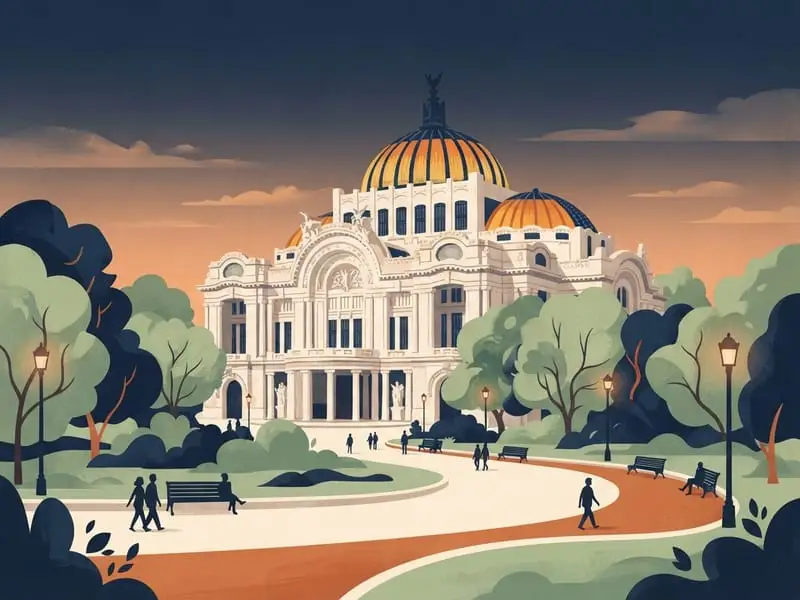 FREE
FREEThe white marble opera house, Art Nouveau outside and Art Deco inside, stands at the east end of the Alameda, the oldest public park in the Americas. The building, its plaza and the park cost nothing. The museum floors with the murals need a ticket.
 FREE
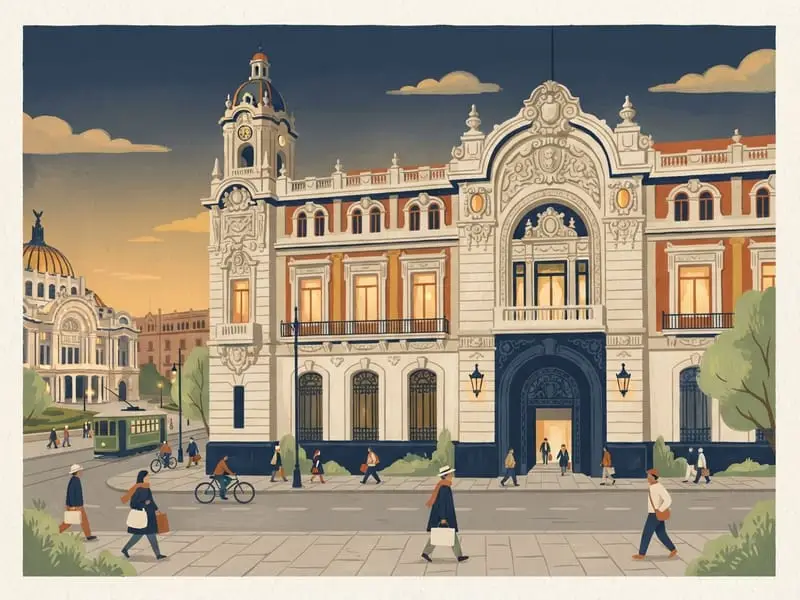
FREEA working post office from 1907 by Adamo Boari, the architect of Bellas Artes across the street. The double staircase in bronze cast in Florence and the marble counters are open to anyone who walks in, and there is a small postal museum upstairs.
 FREE
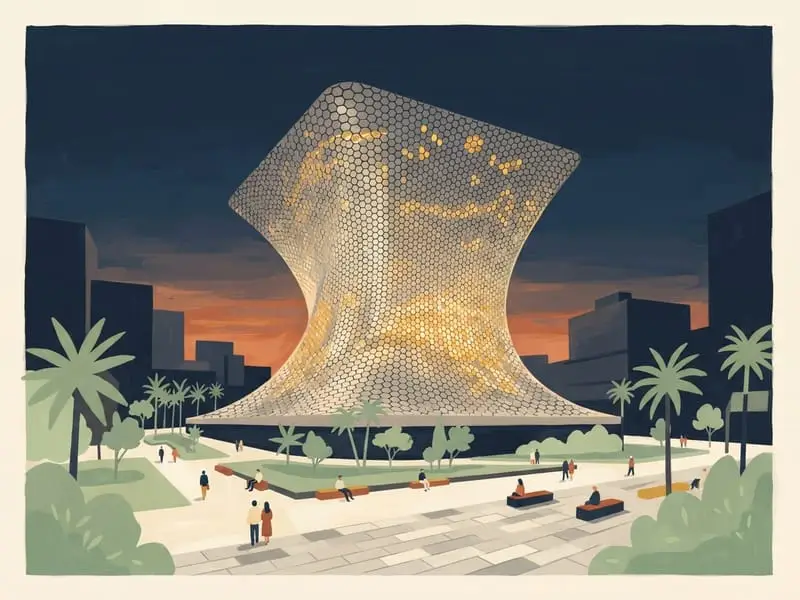
FREECarlos Slim's private collection in a windowless tower covered in 16,000 aluminium hexagons. Six floors run from colonial coins to European old masters, and the top floor is one open hall of Rodin bronzes. It is free every day of the year.
 FREE
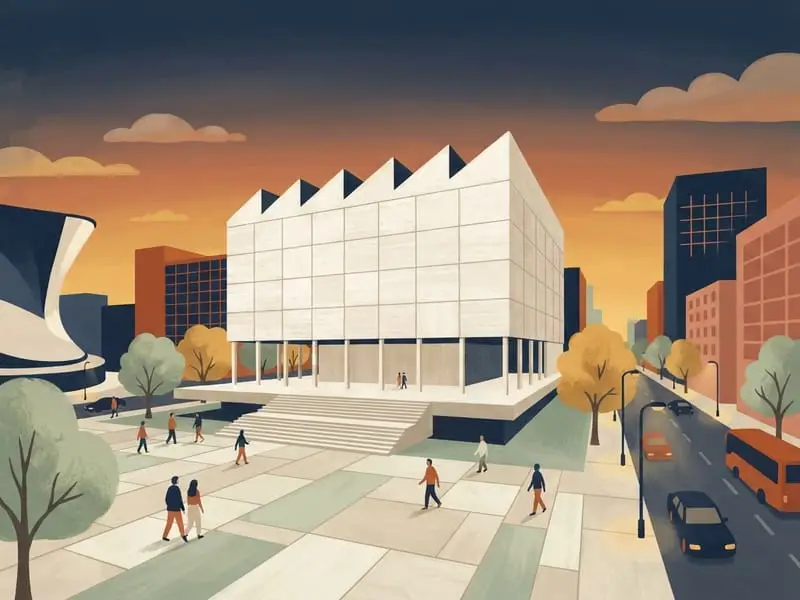
FREEThe contemporary art museum of the Jumex juice family, in a sawtooth-roofed travertine building by David Chipperfield. Three floors of changing exhibitions, usually one big international name at a time. General admission is free.
 FREE
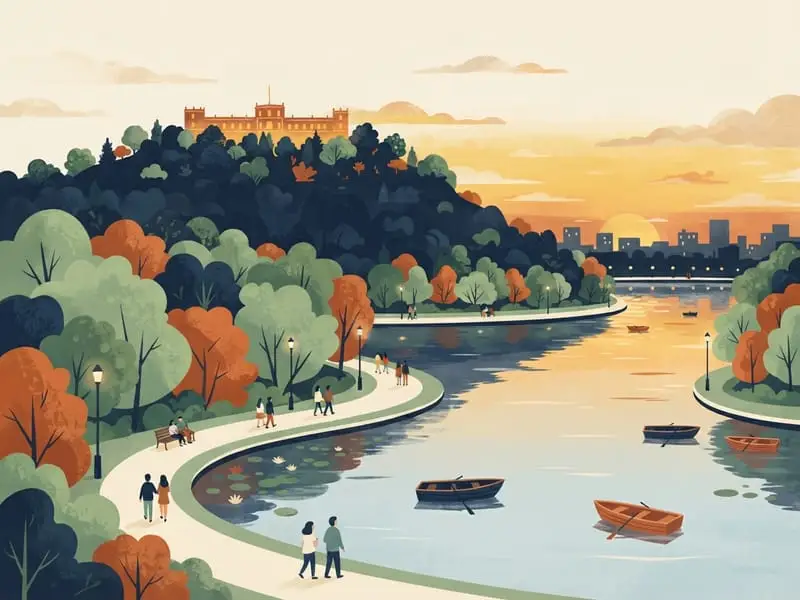
FREEThe city's main park, a forested hill and lake that Aztec rulers already used as a retreat. The First Section holds the castle, the zoo, the botanical garden and most of the museums, linked by shaded paths full of snack stalls on weekends.
 FREE
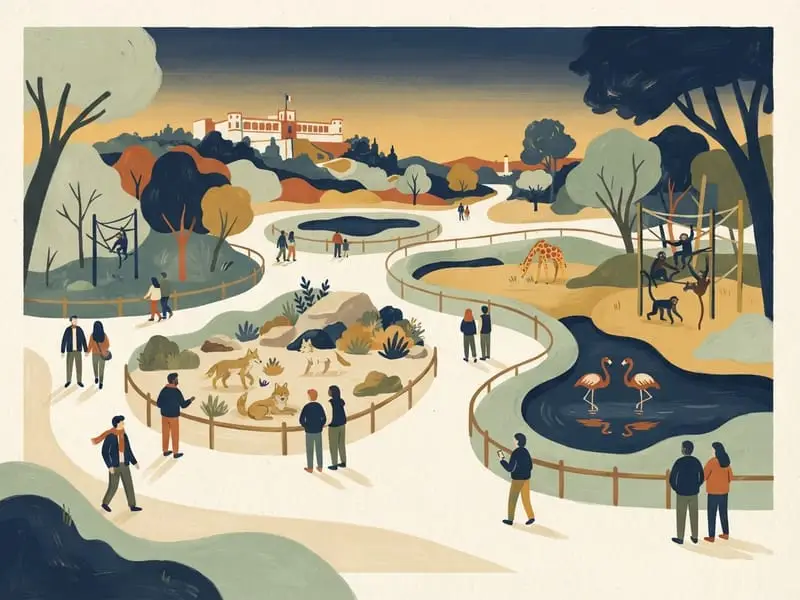
FREEA full-size city zoo with more than 1,200 animals, founded in 1924 inside the park, and it charges nothing. The strongest sections are the Mexican species: wolves, jaguars, axolotls and the volcano rabbit.
 FREE
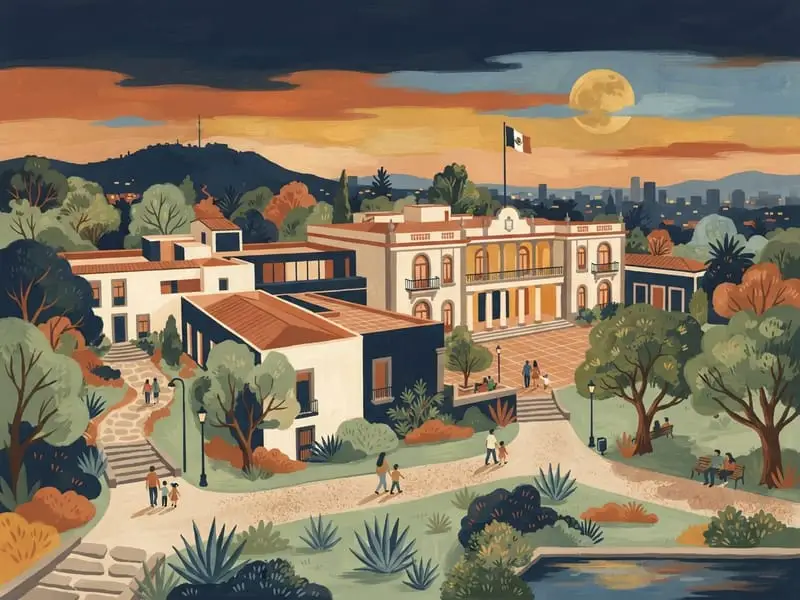
FREEThe presidential residence from 1934 to 2018, opened to the public the day the last president moved out. You walk through the houses, offices and gardens where fourteen presidents lived, now used for exhibitions and weekend events.
 FREE
FREEEvery Sunday morning the city closes Paseo de la Reforma and a chain of other avenues to cars and hands them to bikes, skaters, runners and dogs. Around 90,000 people turn up. There is a free bike loan on Reforma, so you do not need your own.
 FREE
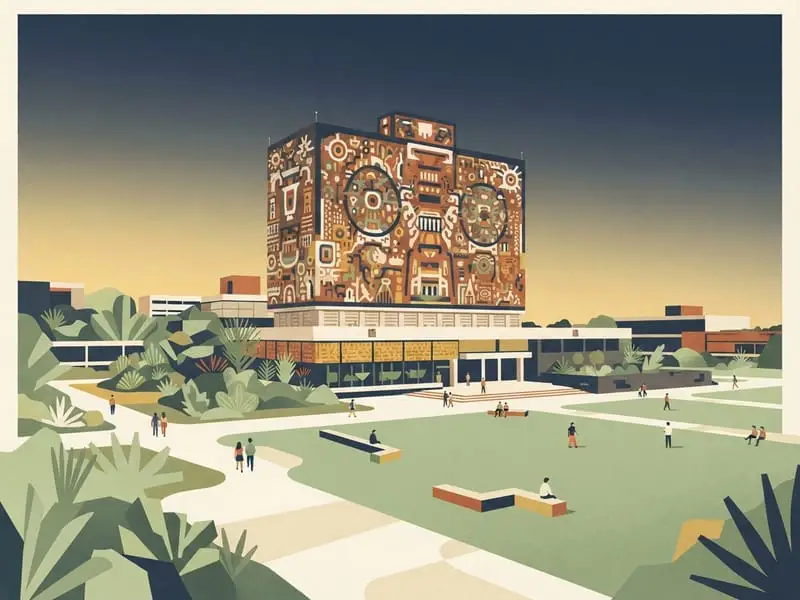
FREEThe 1950s main campus of the national university is a UNESCO World Heritage site and an open one. The Central Library is wrapped on all four sides in Juan O'Gorman's stone mosaic, and the Rectorate tower next to it carries a Siqueiros relief mural.
 FREE
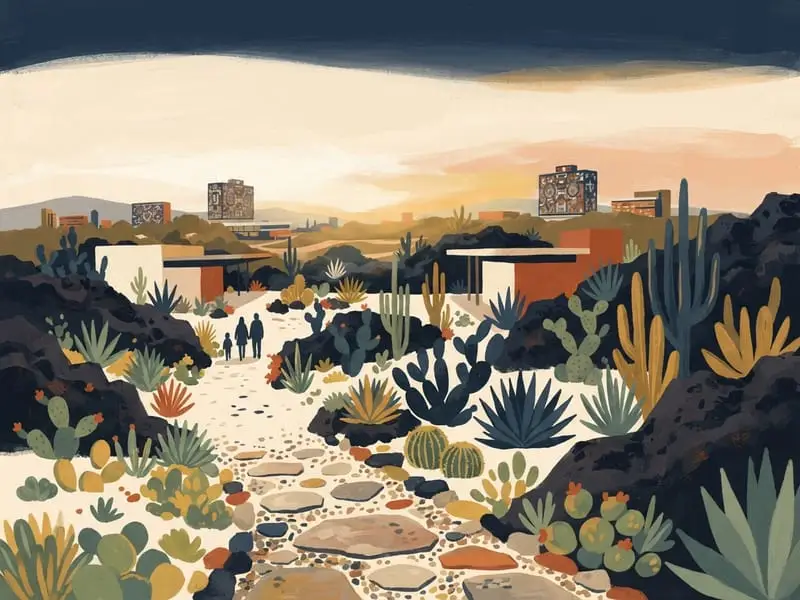
FREEThe university's botanical garden, laid out on the black lava field of the Pedregal in the south of the campus. Its speciality is Mexican plants: agaves, cacti and a greenhouse of orchids and tropical species.
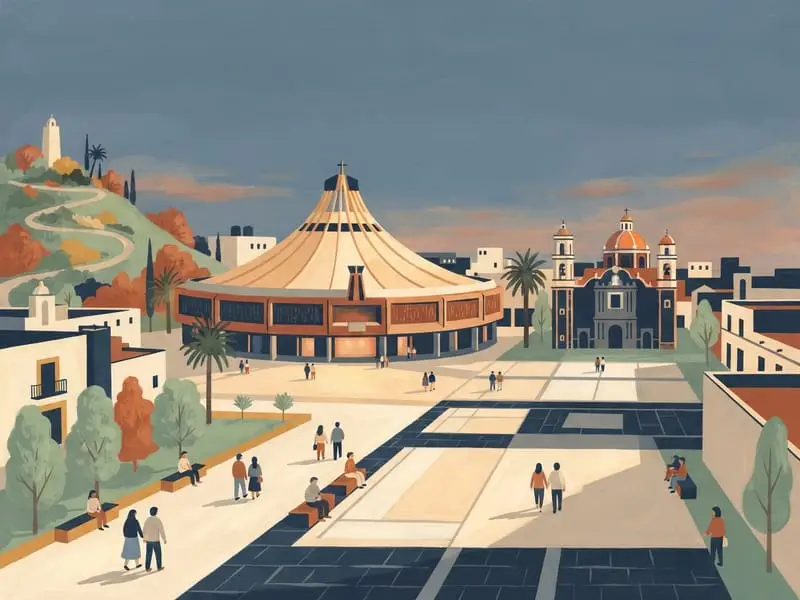 FREE
FREEThe most visited Catholic shrine in the Americas. The round modern basilica from 1976 holds the cloak with the image of the Virgin, which you pass on a moving walkway under the altar, and the sinking old basilica stands beside it.
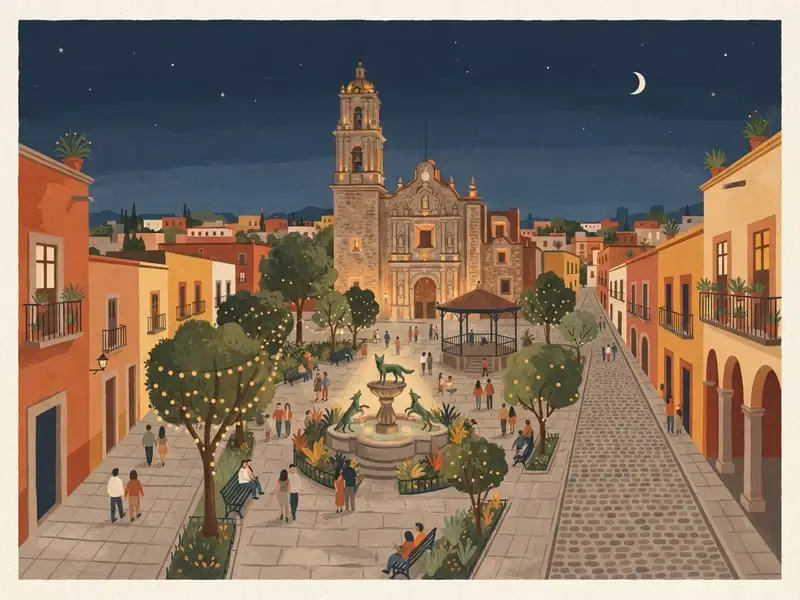 FREE
FREEA colonial village swallowed by the city, with two joined squares at its centre, the coyote fountain, the 16th-century church of San Juan Bautista and cobbled streets of painted walls. Frida Kahlo's house is nearby but paid and booked weeks ahead.
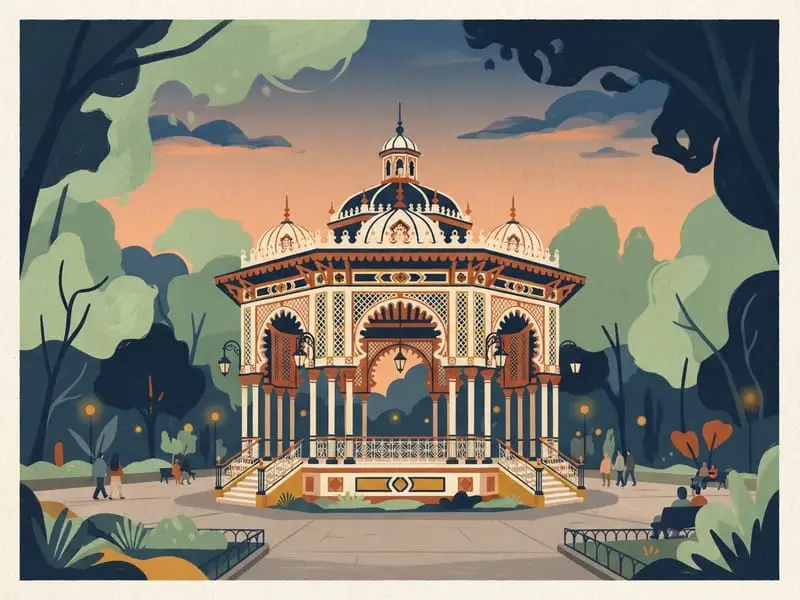 FREE
FREEA Moorish-style pavilion made entirely of painted cast iron, built as Mexico's stand for the 1884 New Orleans world fair and moved here in 1910. It sits in the middle of a neighbourhood park where people dance, skate and practise on weekends.
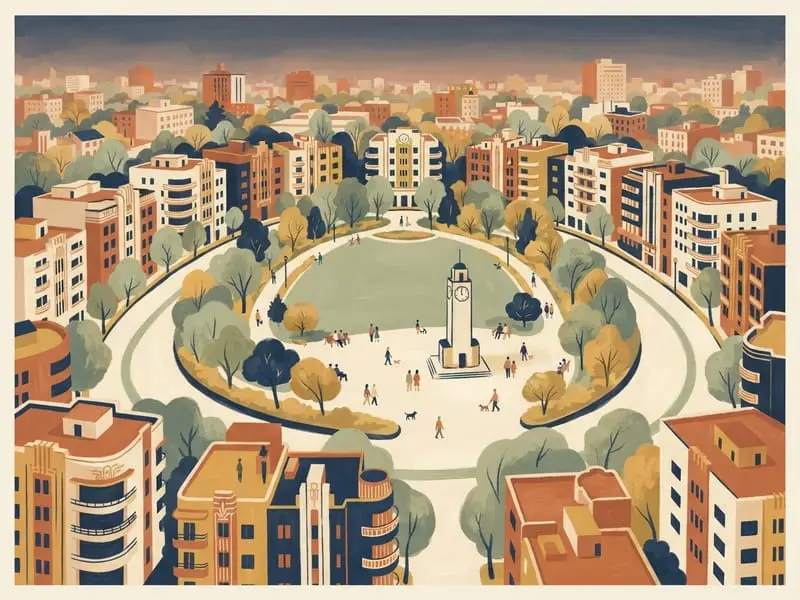 FREE
FREEAn oval park laid out in the 1920s on a former racetrack, ringed by Art Deco apartment blocks. Its paths, duck pond and open-air theatre are where the Condesa neighbourhood walks its dogs, and Avenida Amsterdam loops around it under trees.
 FREE
FREEA public library from 2006 where the bookshelves hang from the ceiling in steel cages over a hall as long as two city blocks. Everything it offers is free, from walking in to the guided visits and concerts.
 FREE
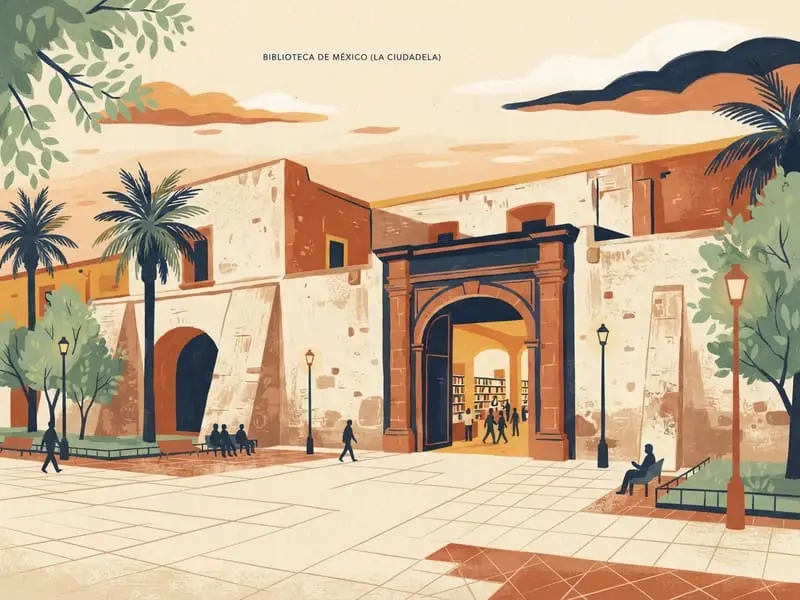
FREEA low fortress-like building from 1807, built as the royal tobacco factory and later used as barracks and prison. It now houses the Biblioteca de México and the Centro de la Imagen, and most of the ground floor is free to walk through.
 FREE
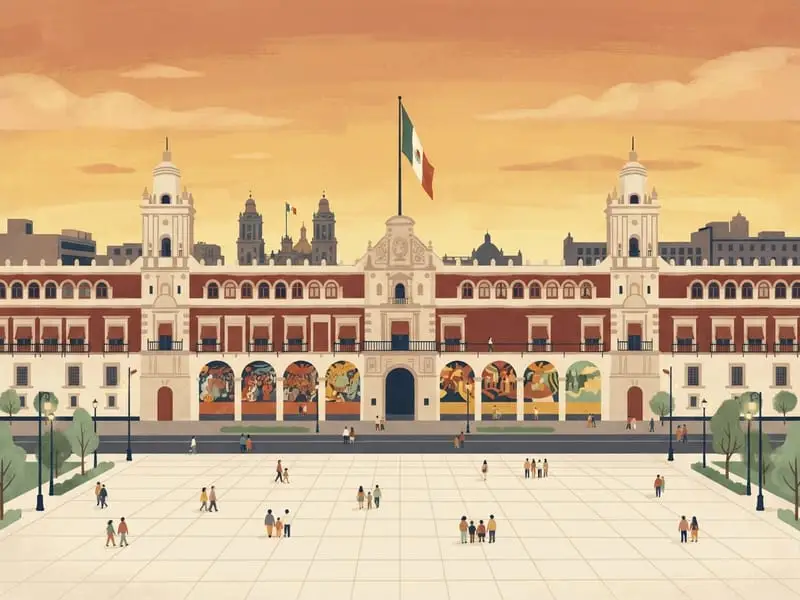
FREEThe seat of the federal government fills the whole east side of the Zócalo. Inside, Diego Rivera painted the history of Mexico up the main staircase and around the first-floor courtyard. Entry is free, but only on a guided visit.
Mostly museums. The free window, who it applies to and the booking rule are on each card.
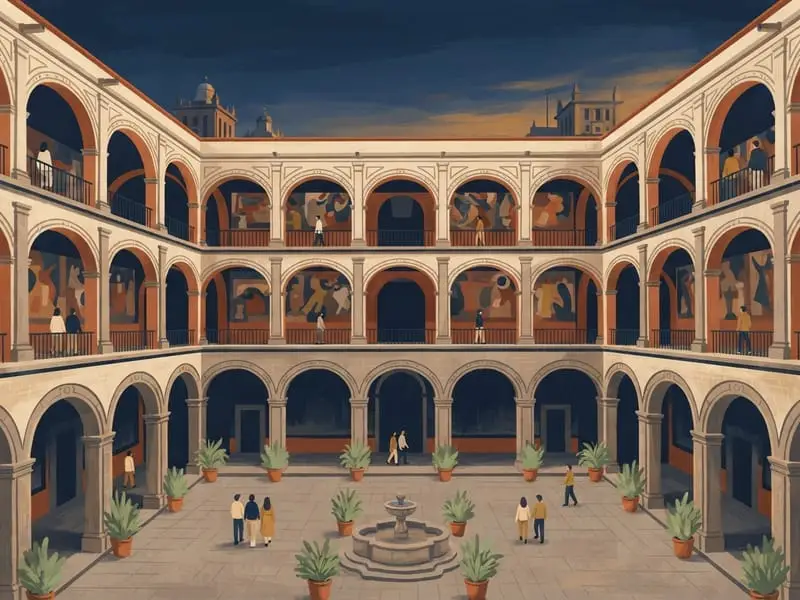
A Jesuit college from the 1700s where the mural movement started. José Clemente Orozco painted the three floors of the main courtyard, and the galleries hold changing exhibitions.
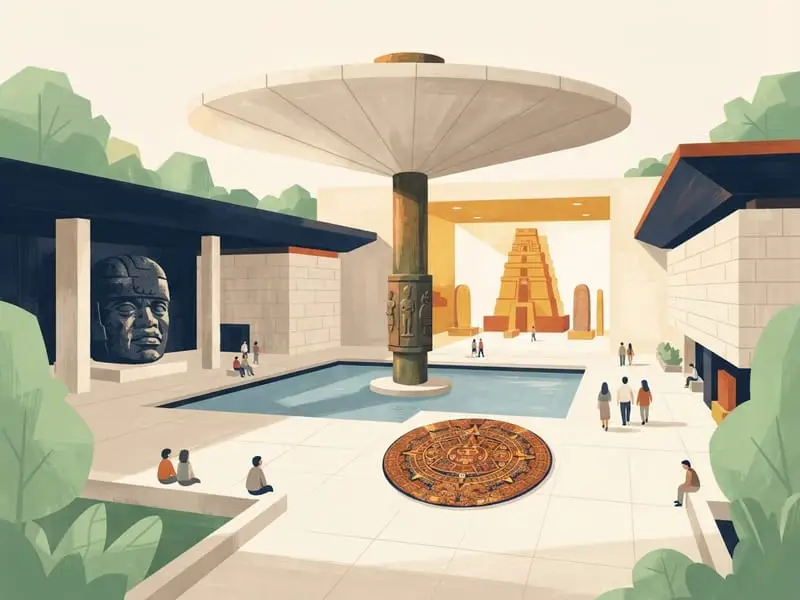
The country's great museum, with the Aztec Sun Stone, the Olmec heads and a full Maya hall. Sundays are free, but only for Mexican citizens and foreigners who hold Mexican residency. Tourists pay full price every day.
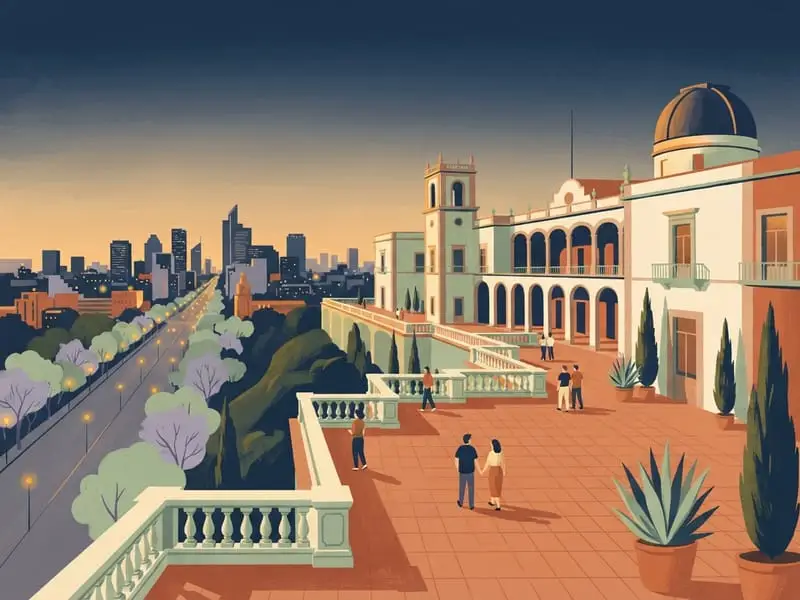
The castle on the hill, home of Emperor Maximilian and later of presidents, now the National History Museum with the best terrace view down Paseo de la Reforma. Free on Sundays for Mexicans and residents only.
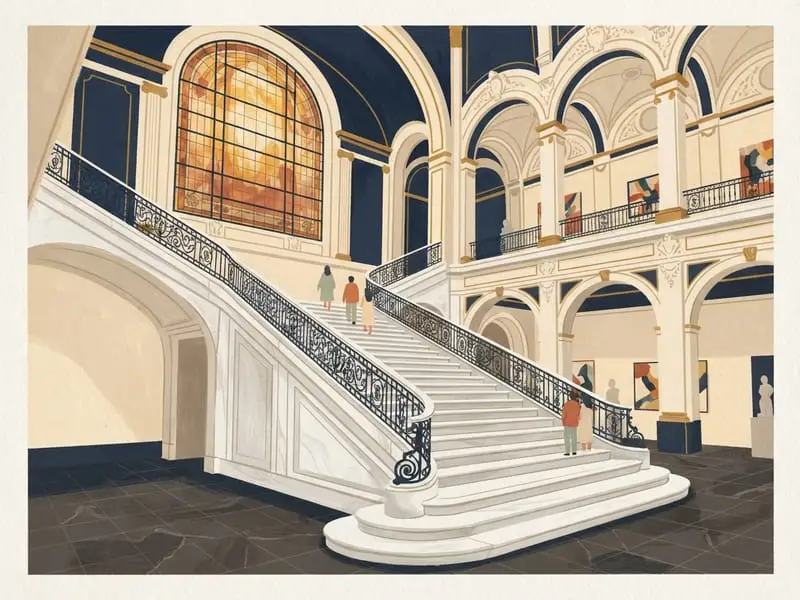
Mexican art from the 1500s to the 1950s in a palace built for the Ministry of Communications, with a marble staircase worth the visit alone. Like other national fine-arts museums, its free Sunday is for Mexicans and residents.
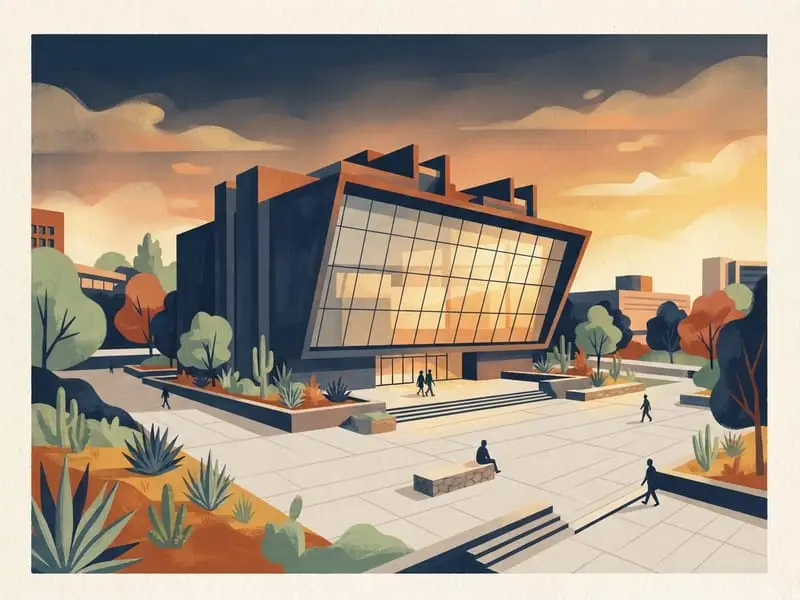
UNAM's contemporary art museum, a glass-fronted building by Teodoro González de León in the university's cultural centre. It stays open late on Thursdays and the last two hours are free for everyone.
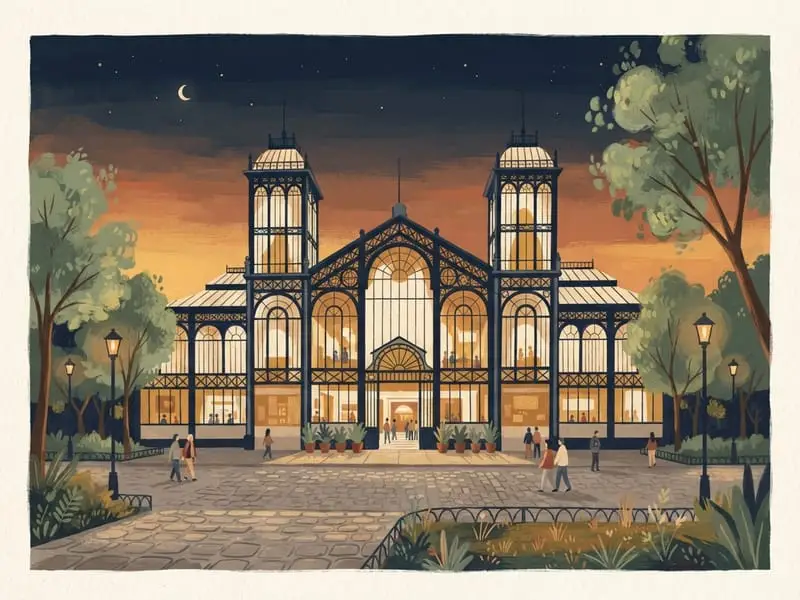
An iron and glass exhibition hall shipped from Germany in the early 1900s, now UNAM's museum for young and alternative art, with a fanzine library. The galleries are free on Wednesdays.
They cost a little and give back a lot. Never mixed into the free lists.
 MX$7
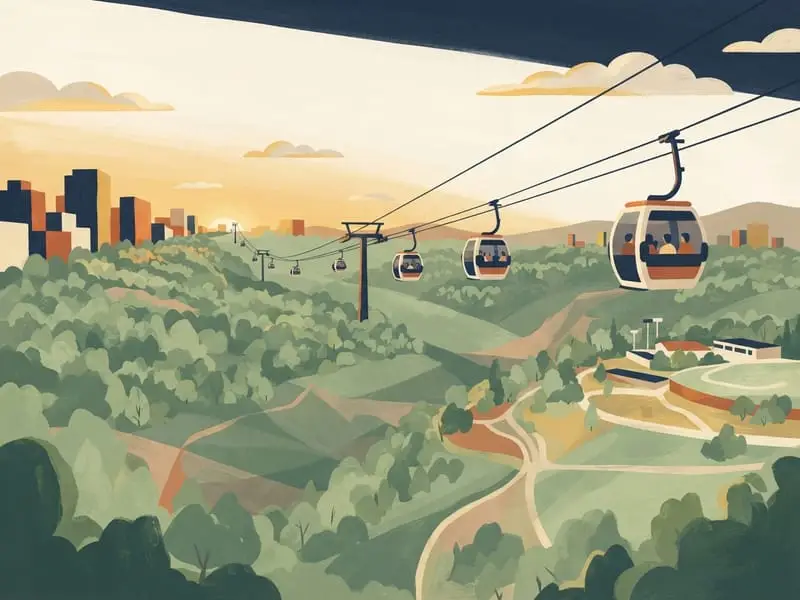
MX$7A public cable car that leaves from Los Pinos/Constituyentes and floats over the wooded ravines of the park's western sections to Vasco de Quiroga. It is city transport, so it costs one fare.
Ride it out and back late in the afternoon for the view over the forest and the towers of Santa Fe. You need the MI transit card, MX$15 at any station machine.
Source: Mexico City tourism office (Secretaría de Turismo CDMX)
 MX$6
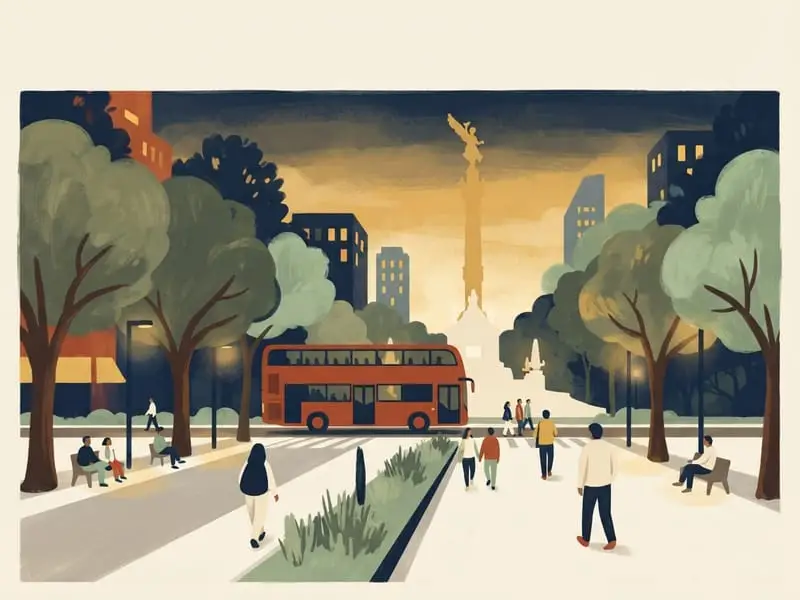
MX$6Line 7 runs red double-decker buses the full length of Paseo de la Reforma, from the Basilica area in the north past the Alameda, the Angel of Independence and Chapultepec to Campo Marte.
Sit upstairs at the front and you have the tourist bus route for the price of a fare. Pay with the MI card, cash is not accepted on board.
Source: Mexico City tourism office (Secretaría de Turismo CDMX)
 MX$3
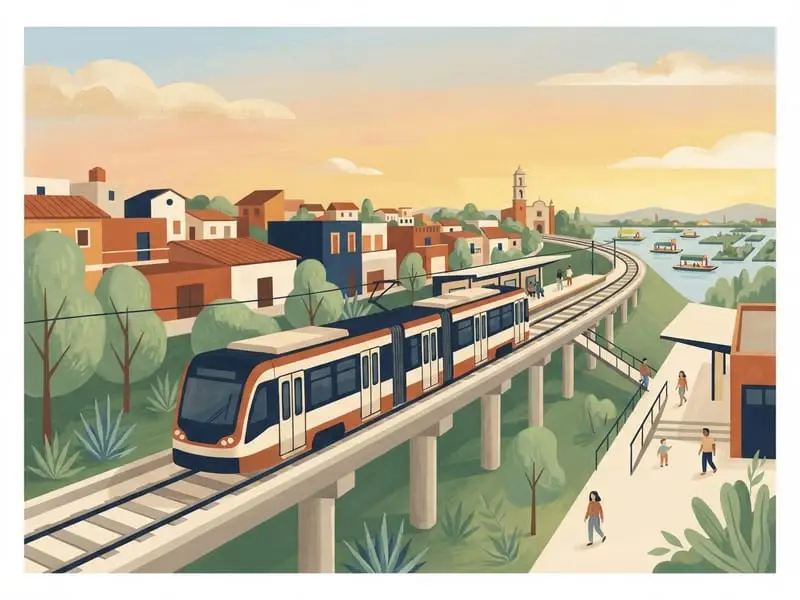
MX$3The light rail runs 13 km from Tasqueña, the southern end of Metro Line 2, to Xochimilco, a short walk from the old town centre, its market and the canal landings.
The boats cost real money, but the trip, the market and a walk along the landings do not. Go on a weekday morning, weekend trains are crammed.
Source: Mexico City tourism office (Secretaría de Turismo CDMX)
What you can eat or drink for nothing, and the local classics that cost very little.
 Free
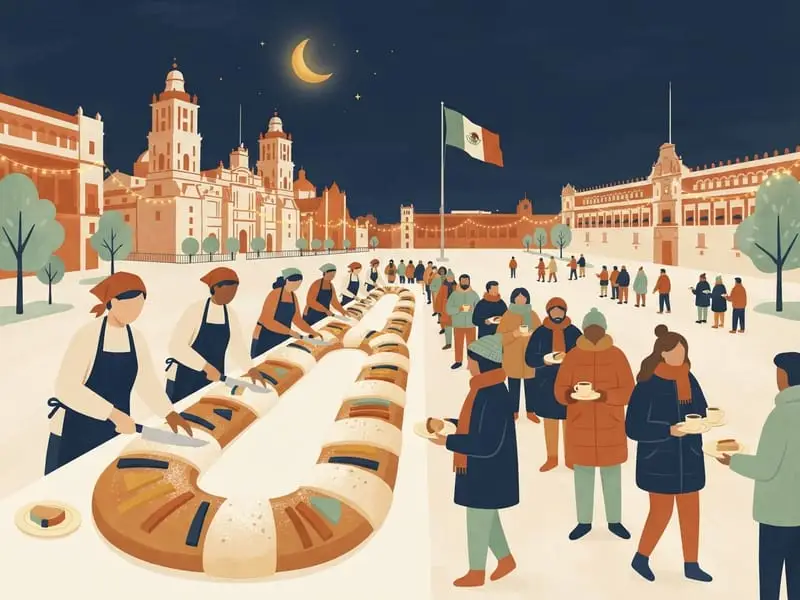
FreeOn Three Kings Day the city hands out slices of an enormous rosca de reyes, the ring-shaped sweet bread, with hot chocolate to thousands of people in the main square.
Once a year, around 6 January. Queues form early in the afternoon.
Source: Mexico City tourism office (Secretaría de Turismo CDMX)
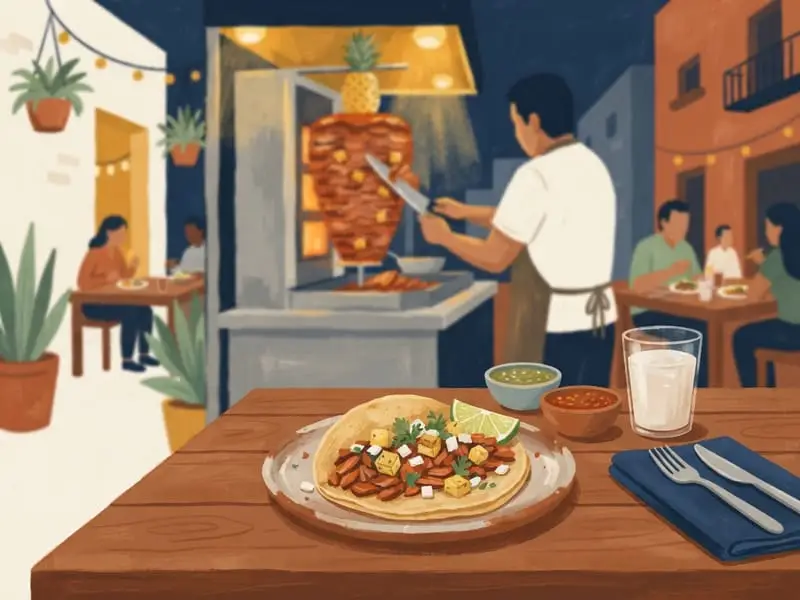 MX$32
MX$32One taco of spit-roasted marinated pork with pineapple, onion and coriander, at the Condesa taquería that has claimed since 1966 to have created the dish. Three make a light meal.
Daily from midday until late. The original branch is at Avenida Tamaulipas 122.
Source: El Tizoncito
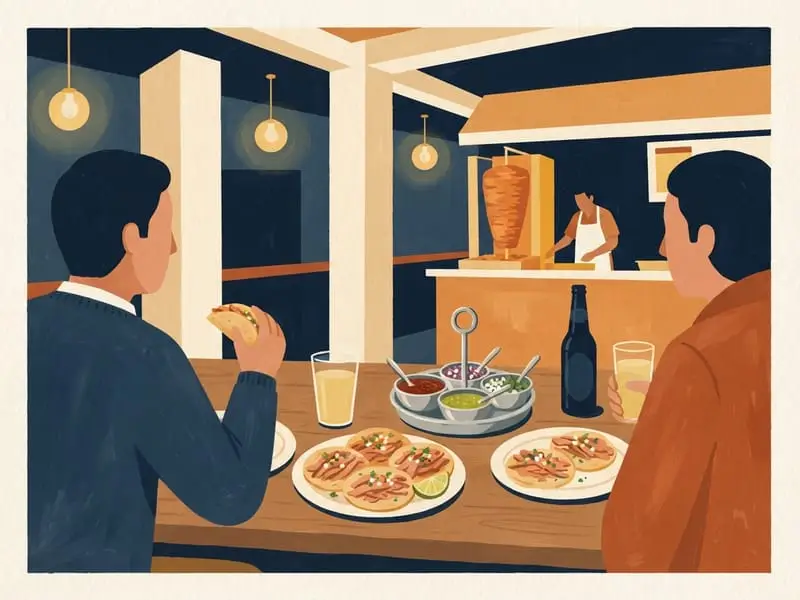 MX$34
MX$34A sit-down taquería chain known for thin-cut meats and a tray of salsas on every table. The pastor taco is the cheapest thing on the menu and the right one to order.
Daily, open late into the night. Branches in Condesa, Reforma and Palmas among others.
Source: El Califa
What opens, what closes and which free events come back each year.
Mostly no. INAH and INBAL museums, including Anthropology, Chapultepec Castle and MUNAL, are free on Sundays only for Mexican nationals and foreigners with Mexican residency. San Ildefonso is free for everyone on Sundays, and the Soumaya and Jumex are free every day they open.
Not for foreign visitors. The general ticket is MX$210 in 2026, half that for Mexicans and residents, who also enter free on Sundays. Children under 13 do not pay.
Yes. The Plaza Carso building is free for everyone, every day of the year, from 10:30 to 18:30, with no booking.
Yes. The Museo Vivo del Muralismo in the Education Ministry building is free Wednesday to Monday, 10:00 to 18:00, with no booking. The National Palace murals are also free but only on a guided visit that you must reserve.
The First Section, with the castle, zoo and lake, is open Tuesday to Sunday from 5:00 to 18:00 and closed on Mondays. The other sections stay open all week. The zoo is free and opens Tuesday to Sunday, 9:00 to 16:30.
Nothing free comes close to the Sun Stone, the Olmec heads and the Maya hall under one roof, and as a tourist you cannot use the free Sunday anyway. The MX$210 ticket buys three or four hours in one of the best museums anywhere. Go on a weekday at 9:00 and start with the Mexica hall.
Everything above is free. This is the only paid pick on the page, chosen because no free option replaces it.
See tickets and prices