Barcelona Free Walking Tour
2h · rated 9.3/10 in 64,589 reviews
Guided in English
Reserve a spotBarcelona's two biggest names, Park Güell and the Sagrada Família, both charge every visitor, and the cathedral now costs €16. What stays free is the city itself: four kilometers of beach, the Gothic lanes, Gaudí's facades on Passeig de Gràcia, the squares of Gràcia and the hill of Montjuïc. Free museum entry runs on a fixed rhythm. Most city museums open their doors on Sunday from 15:00 and all day on the first Sunday of the month, MNAC adds Saturday afternoons and the Museu Picasso Thursday evenings. Plan your Sunday afternoon and one evening well and you can see the best collections without paying anything.
These have no fixed price. You reserve a spot, and at the end you tip the guide what you think the tour was worth.
2h · rated 9.3/10 in 64,589 reviews
Guided in English
Reserve a spot2h30 · rated 9.5/10 in 16,939 reviews
Guided in English
Reserve a spot2h · rated 9.5/10 in 6,637 reviews
Guided in English
Reserve a spotSpots are booked through Civitatis.
Open to everyone, every day they are open. No ticket to buy.
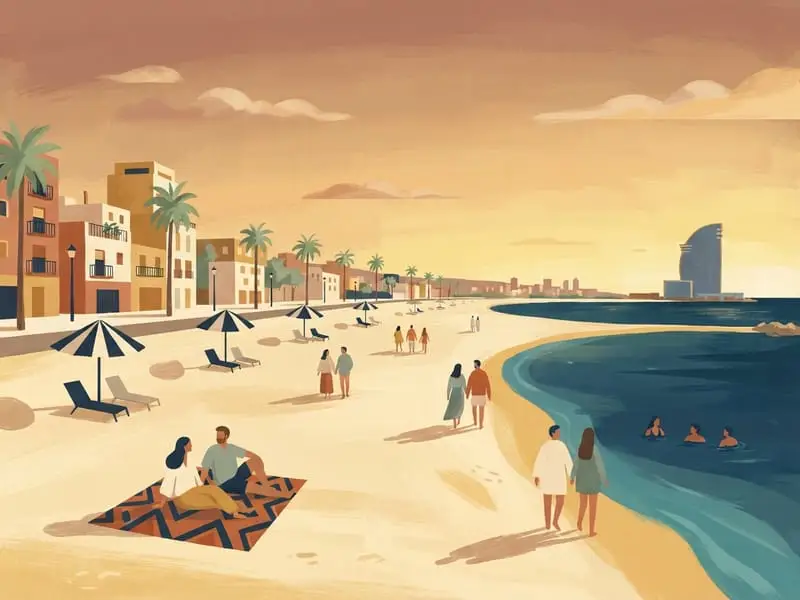 FREE
FREEThe city beach, a 15-minute walk from the Gothic Quarter. Sand, a long promenade and the sea, with showers and toilets in season.
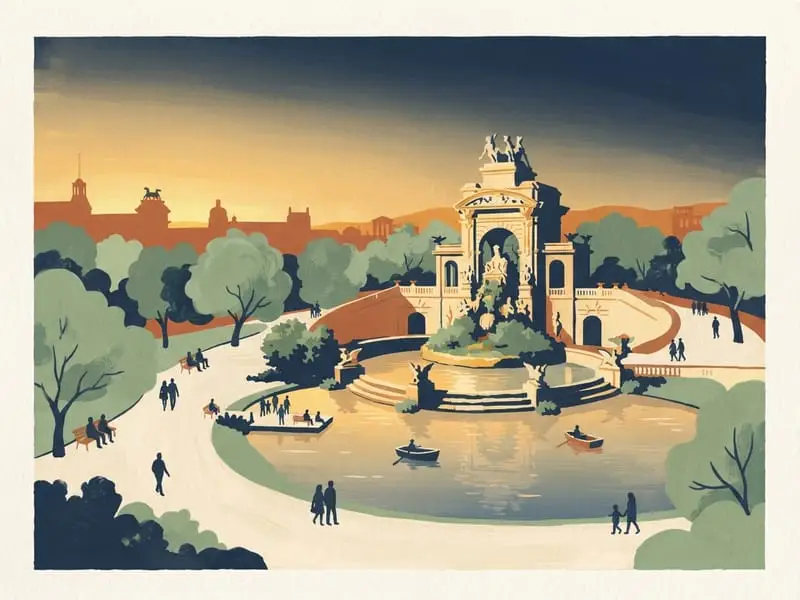 FREE
FREEThe city's first public park, laid out for the 1888 Universal Exposition on the site of a hated military citadel. A big fountain, a lake, palms and plenty of grass.
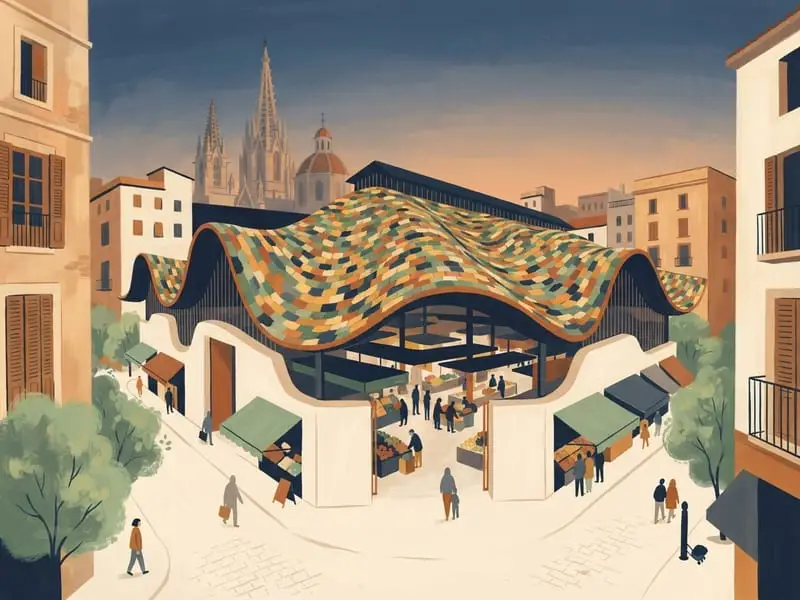 FREE
FREEA working neighborhood market under a rippling roof of 325,000 colored ceramic tiles, five minutes from the cathedral.
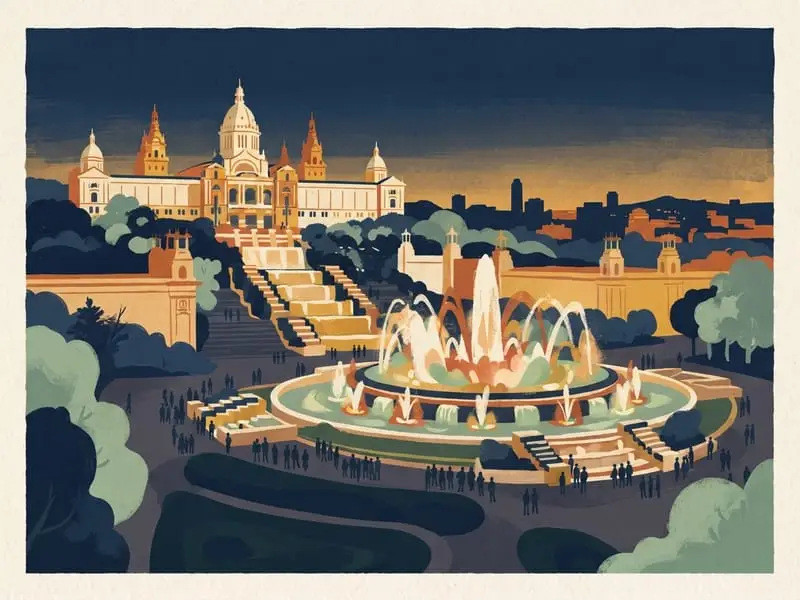 FREE
FREEThe 1929 fountain below the Palau Nacional, with a water, light and music show. It was switched off for the drought and is running again.
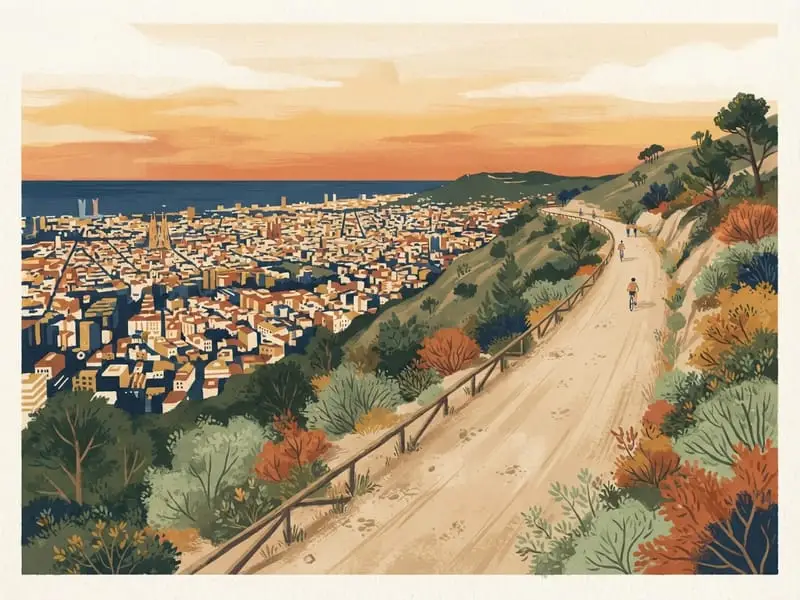 FREE
FREEA flat dirt track running about 10 km along the Collserola hillside, with the whole city and the sea below you.
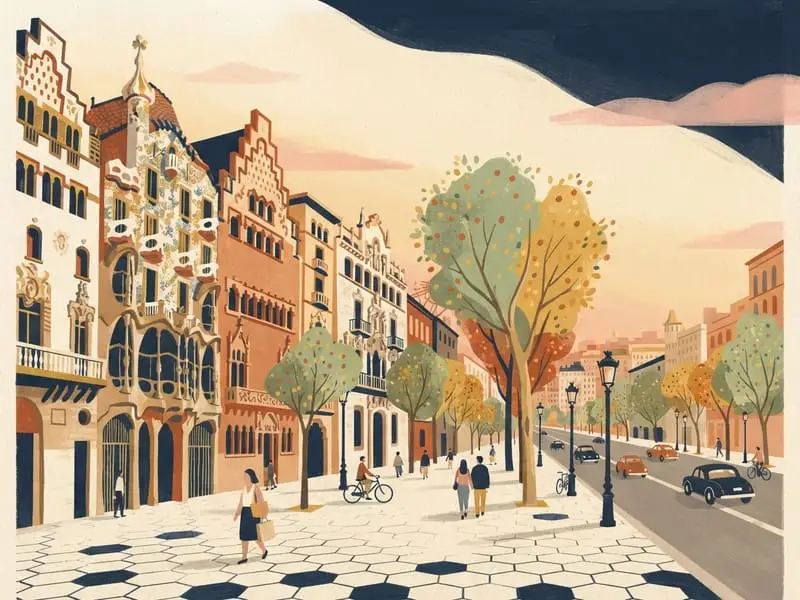 FREE
FREEBarcelona's grand avenue, lined with modernista buildings by Gaudí, Domènech i Montaner and Puig i Cadafalch. The outsides cost nothing.
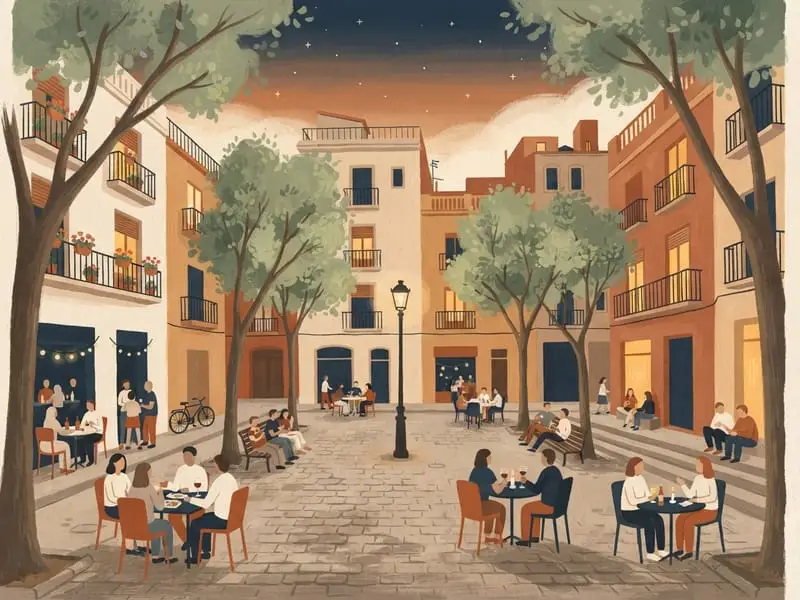 FREE
FREEA former village swallowed by the city, built around small car-free squares where the neighborhood spends its evenings.
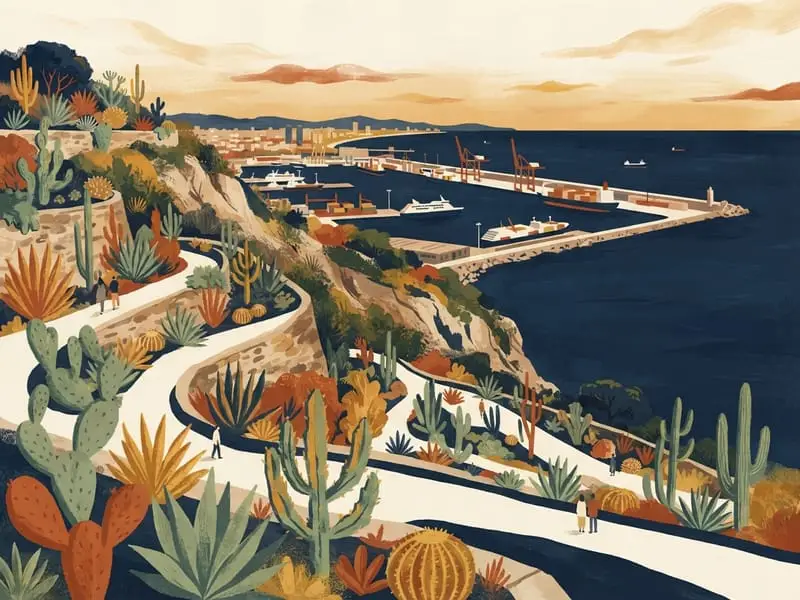 FREE
FREEA cactus and succulent garden on the sea-facing cliff of Montjuïc, with the port right below.
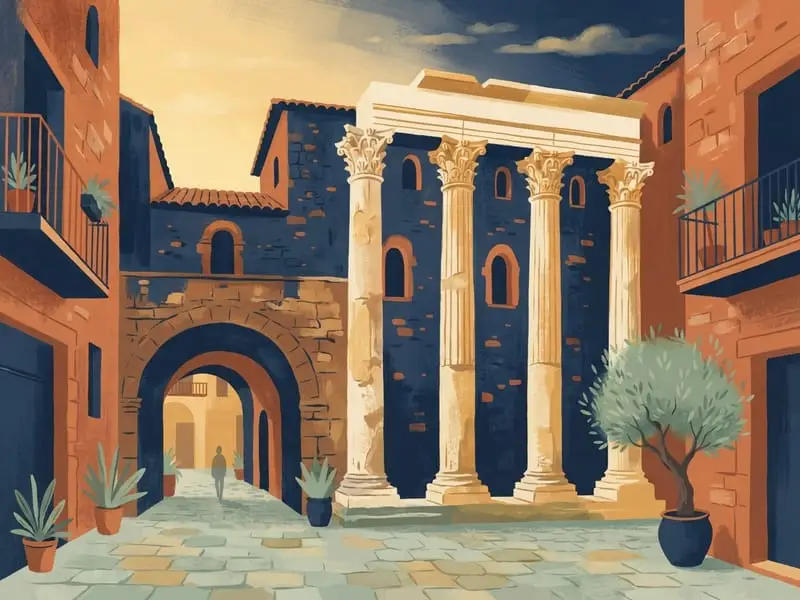 FREE
FREEFour Roman columns nine meters tall, standing inside a medieval courtyard behind the cathedral. They are what is left of the temple of Roman Barcino.
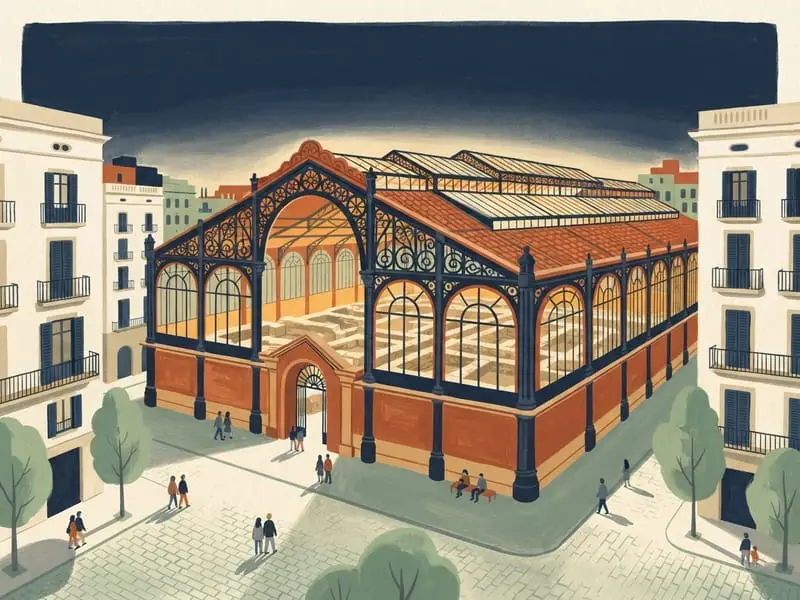 FREE
FREEAn 1876 iron market hall built over the streets flattened after the siege of 1714. You look down on the excavated houses from walkways for free.
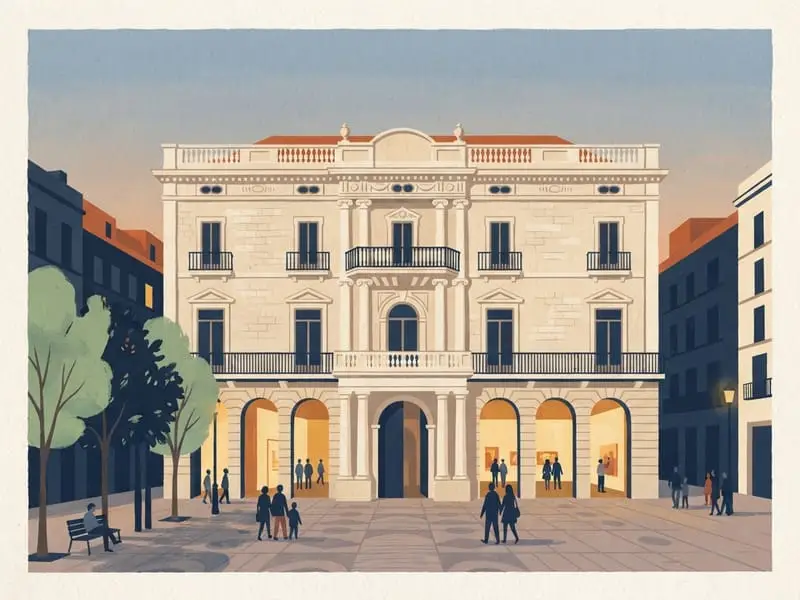 FREE
FREEThe city's photography and image center, in an 18th-century palace on La Rambla. All exhibitions are free.
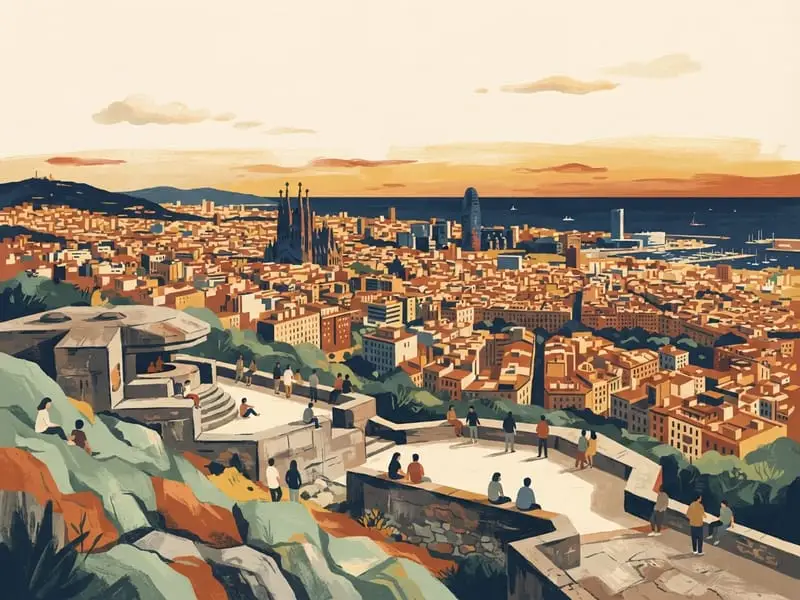 FREE
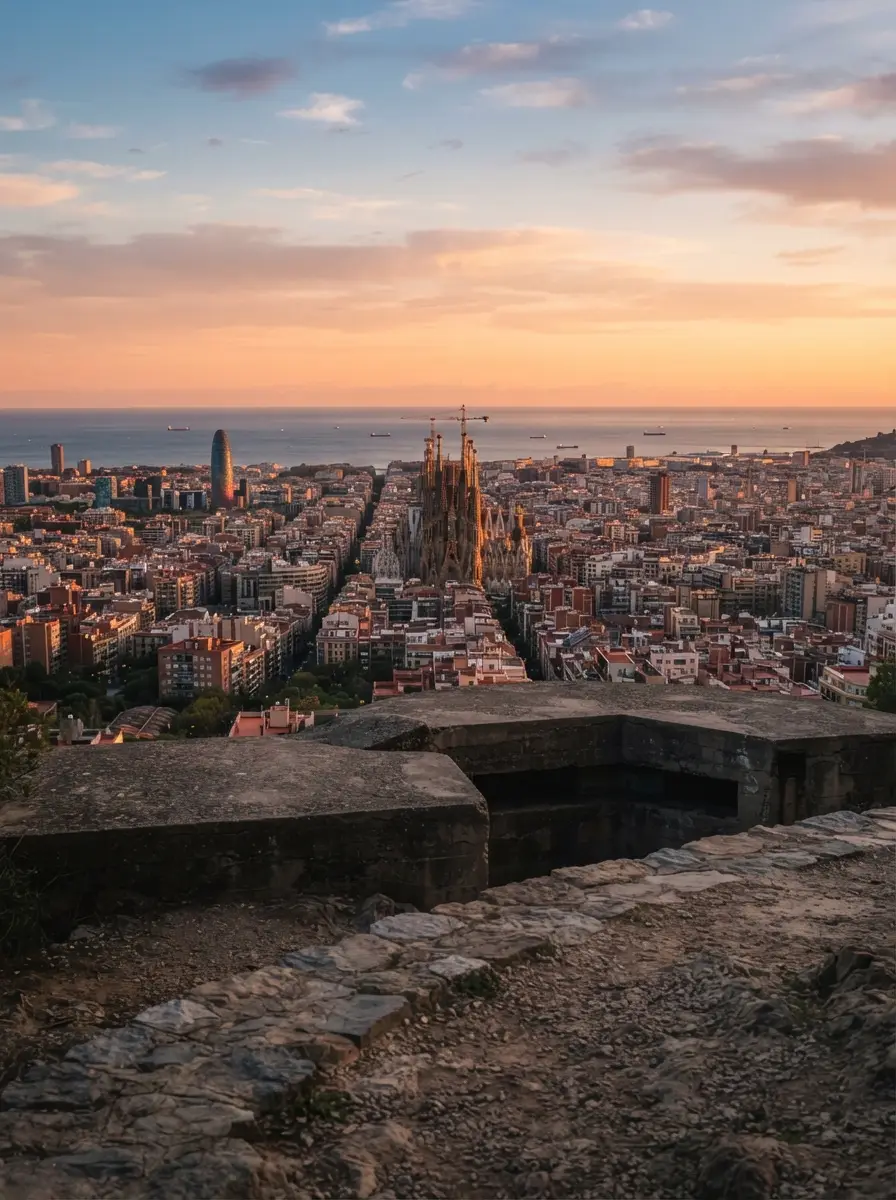
FREEA Civil War anti-aircraft battery on a 262 m hill with a full-circle view of the city, from the Sagrada Família to the sea.
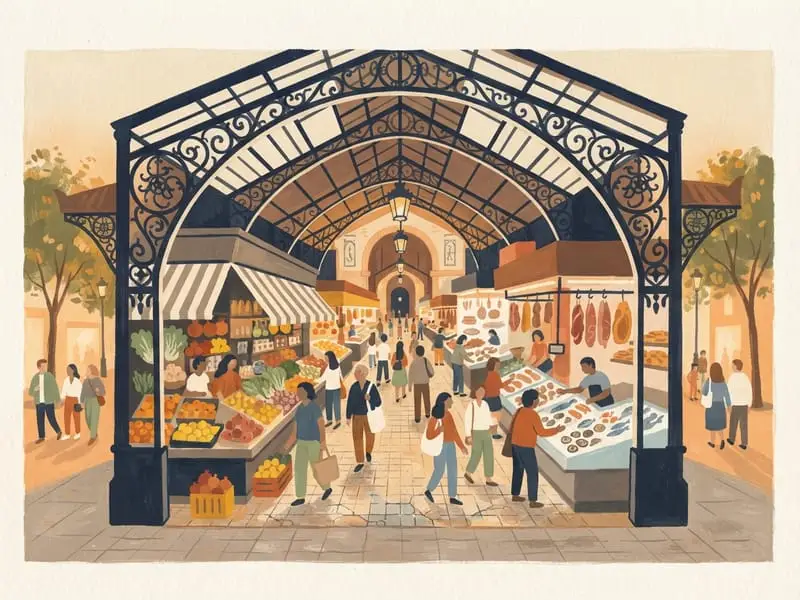 FREE
FREEThe famous covered market on La Rambla, trading on this spot since 1840 under an iron roof.
Mostly museums. The free window, who it applies to and the booking rule are on each card.
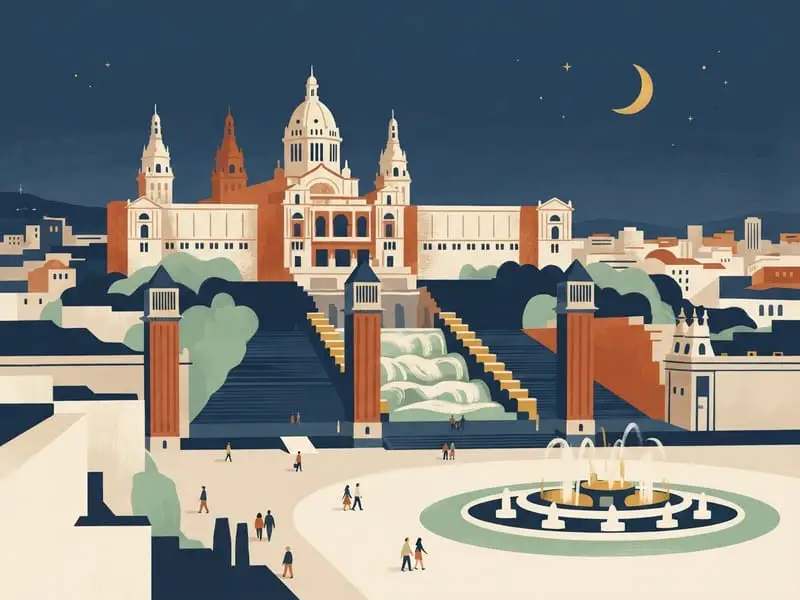
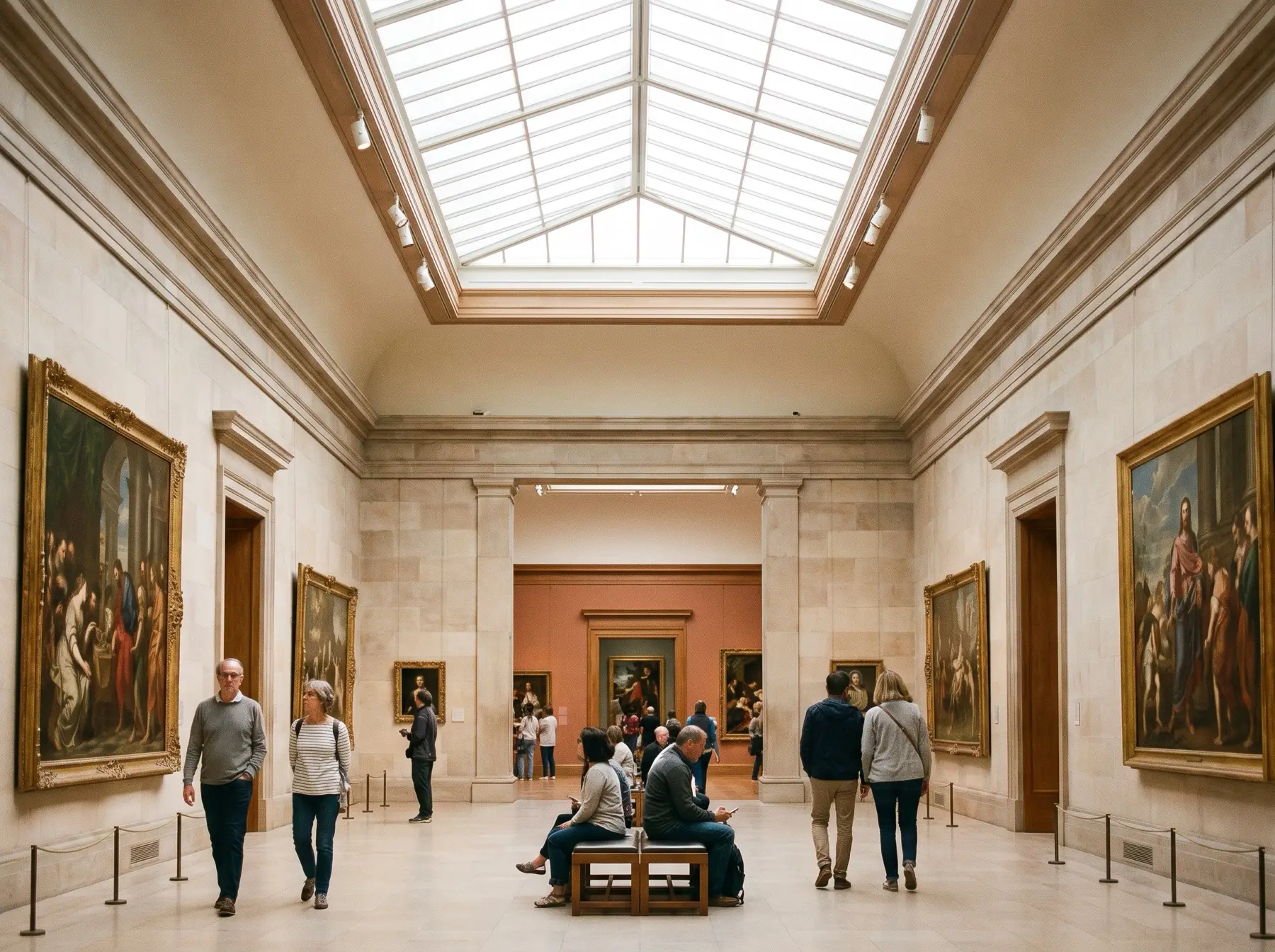
A thousand years of Catalan art in the palace above Plaça d'Espanya. The Romanesque church murals, lifted whole from Pyrenean valleys, are the reason to come.
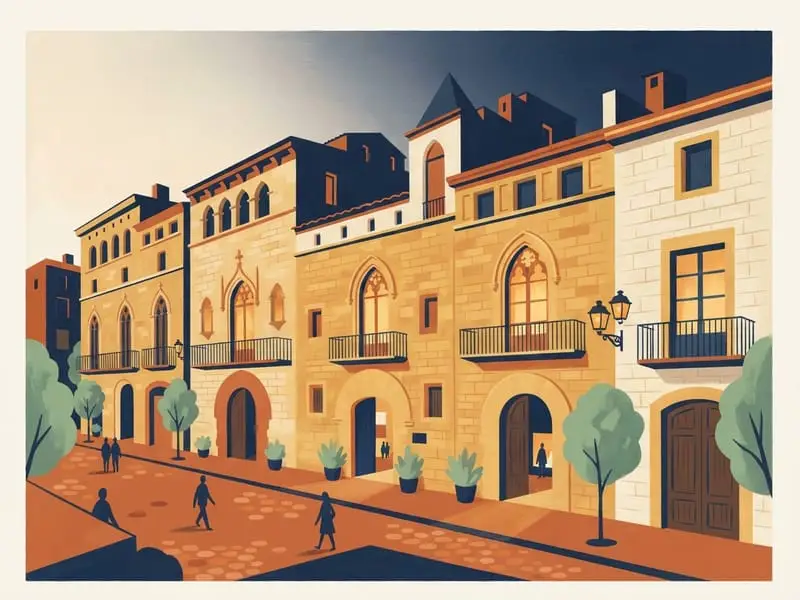
Picasso's early years, in five joined medieval palaces on Carrer de Montcada. Strong on his teens in Barcelona and the Las Meninas series.
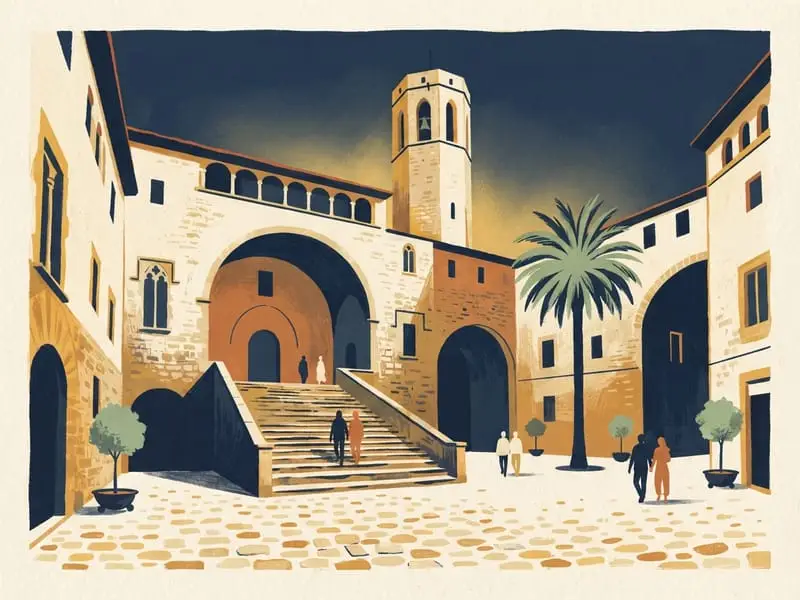
The city history museum. A lift takes you down under the square to walk through 4,000 square meters of excavated Roman Barcino.
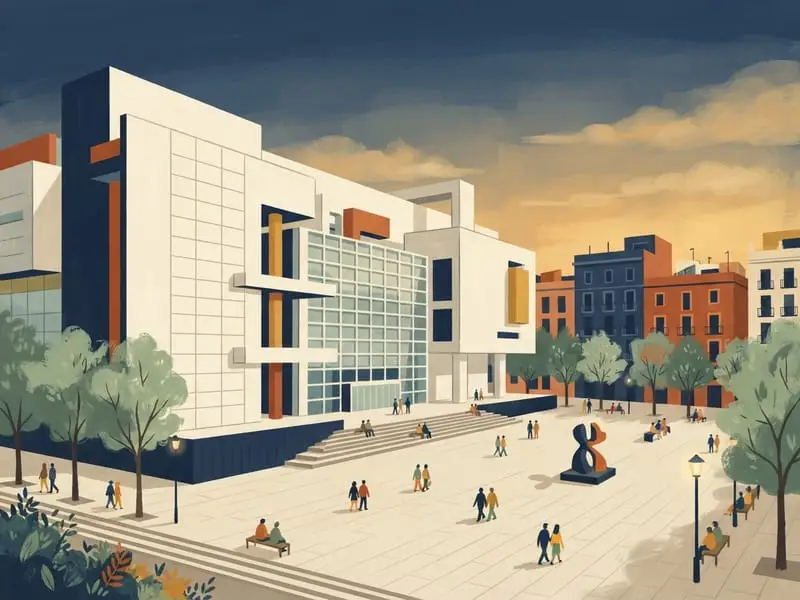
The contemporary art museum, in Richard Meier's white building. The square in front is one of Europe's best-known skate spots.
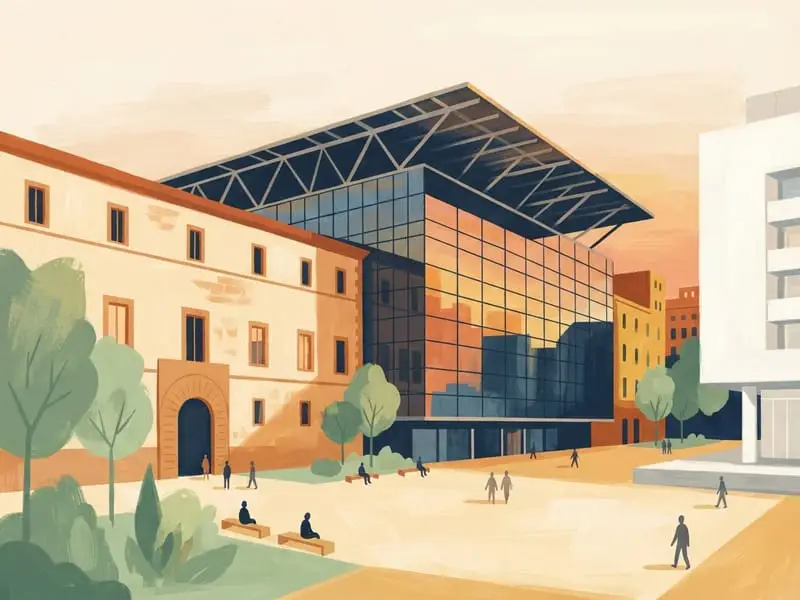
The contemporary culture center next to MACBA, in a former almshouse. Big themed exhibitions on cities, science, writers and technology.
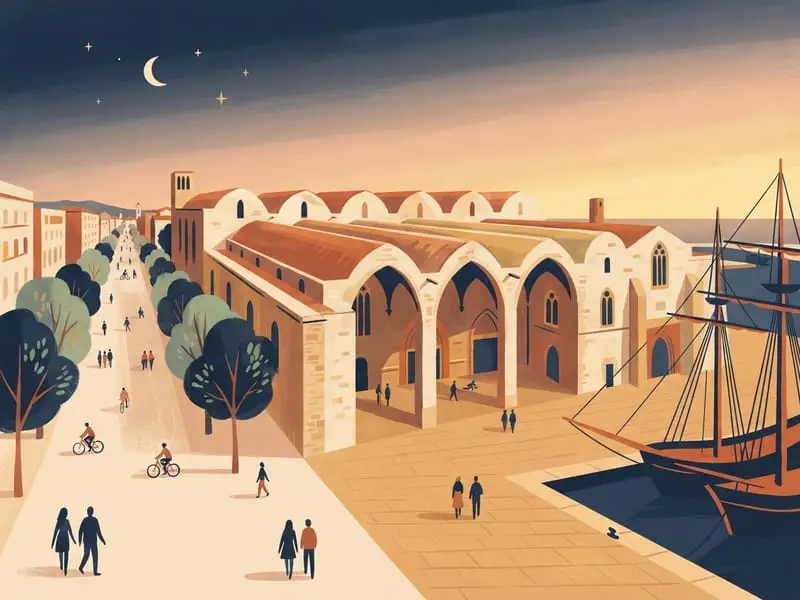
The medieval royal shipyards at the foot of La Rambla, the largest surviving Gothic shipyard anywhere, now the maritime museum.
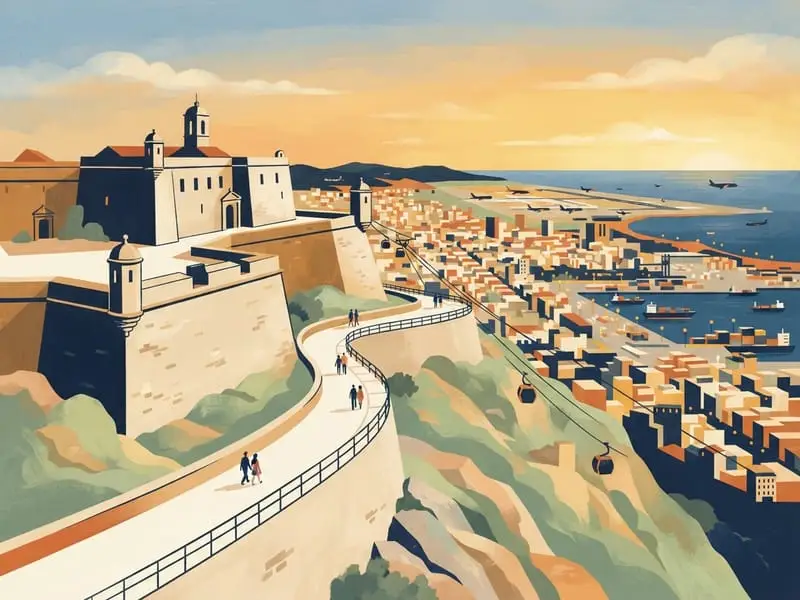
The fortress on top of Montjuïc, with a walk around the ramparts over the port, the city and the airport.
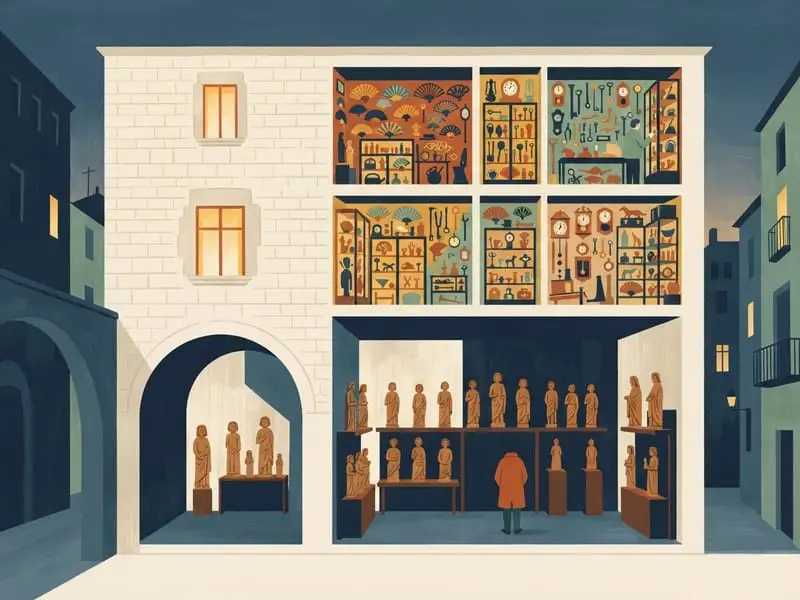
One sculptor's obsessive collections: medieval carved Christs downstairs, and upstairs thousands of fans, pipes, keys, clocks and toys.
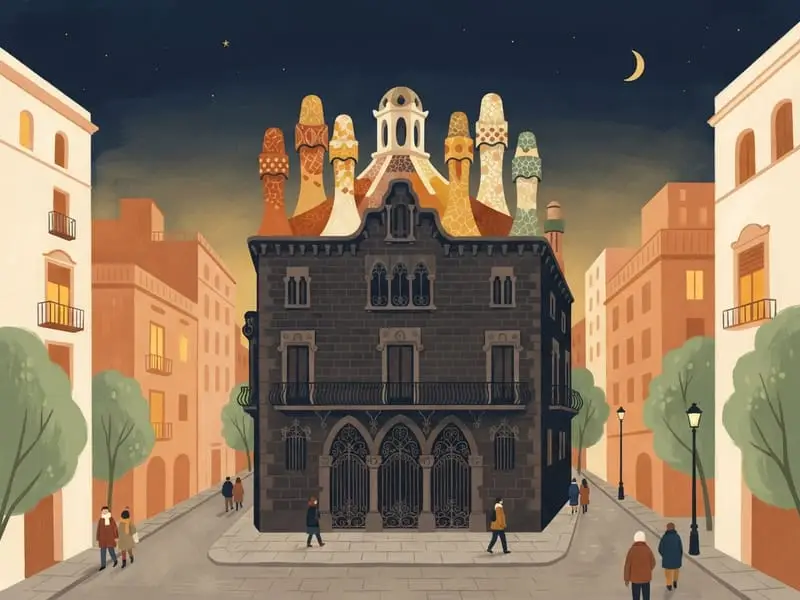
Gaudí's first big commission, a dark townhouse off La Rambla with a central hall rising to a pierced dome and a roof of tiled chimneys.
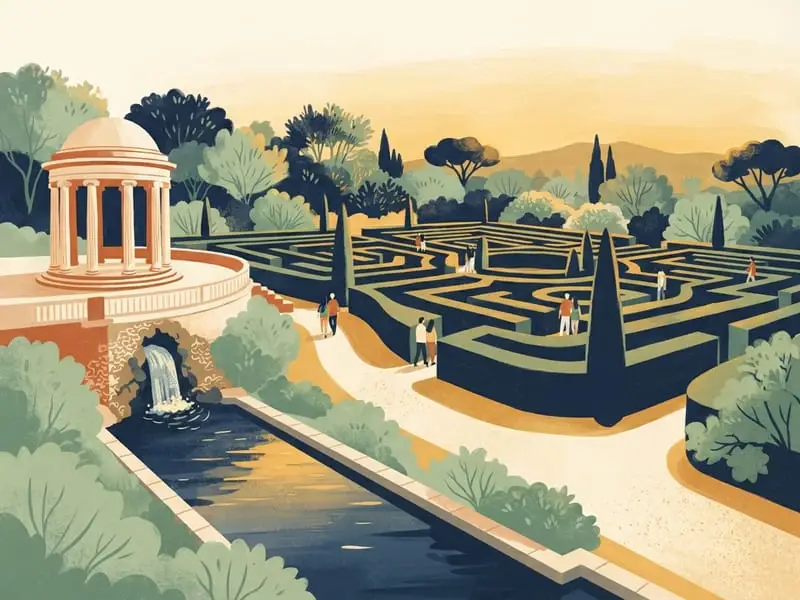
The city's oldest garden, begun in 1791, with a cypress hedge maze, pavilions, a canal and a small waterfall.
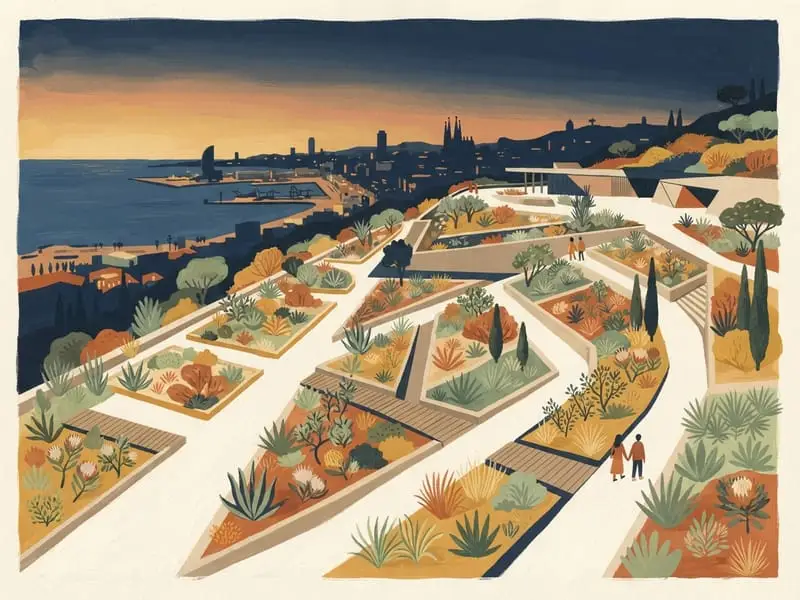
A modern botanical garden on the back slope of Montjuïc, planted with the flora of the world's five Mediterranean-climate regions.
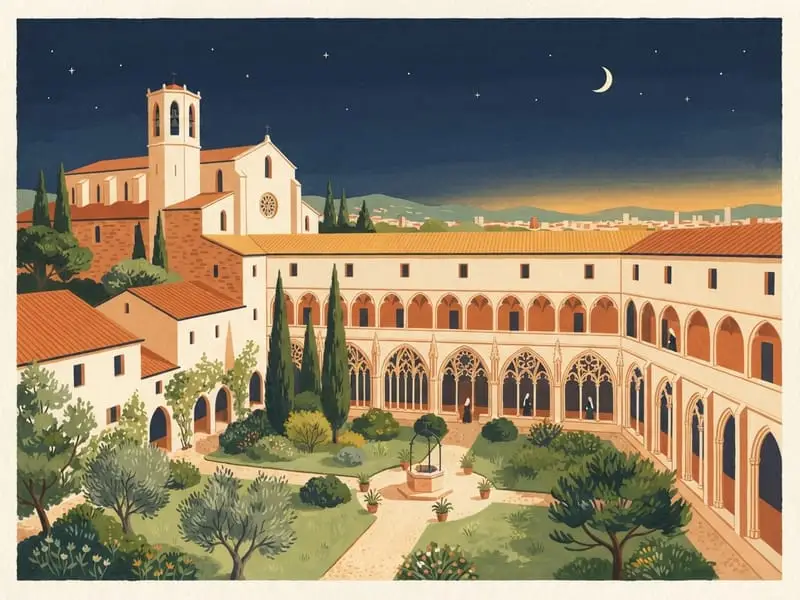
A 14th-century convent in the upper town with a three-storey Gothic cloister, the nuns' cells, kitchen and infirmary.
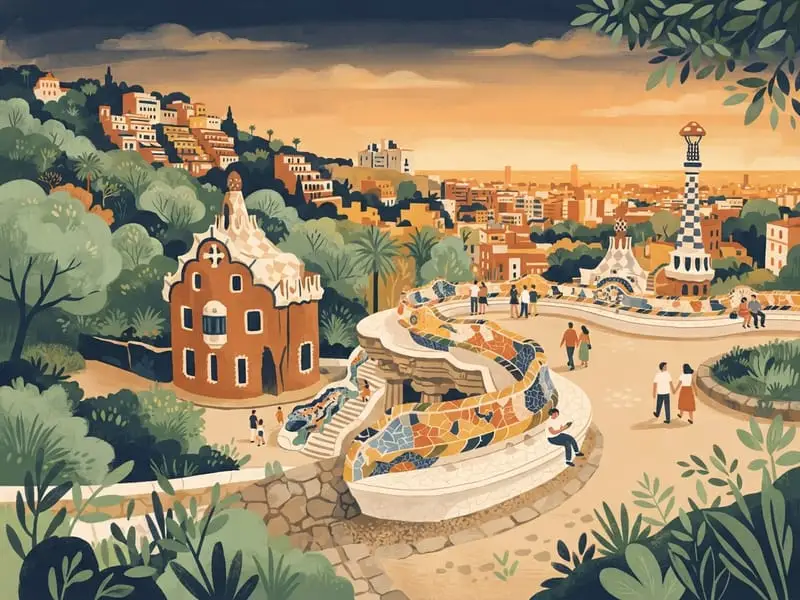
Gaudí's hillside park. Since the whole park was put behind ticket gates, visitors pay to go anywhere inside it.
They cost a little and give back a lot. Never mixed into the free lists.
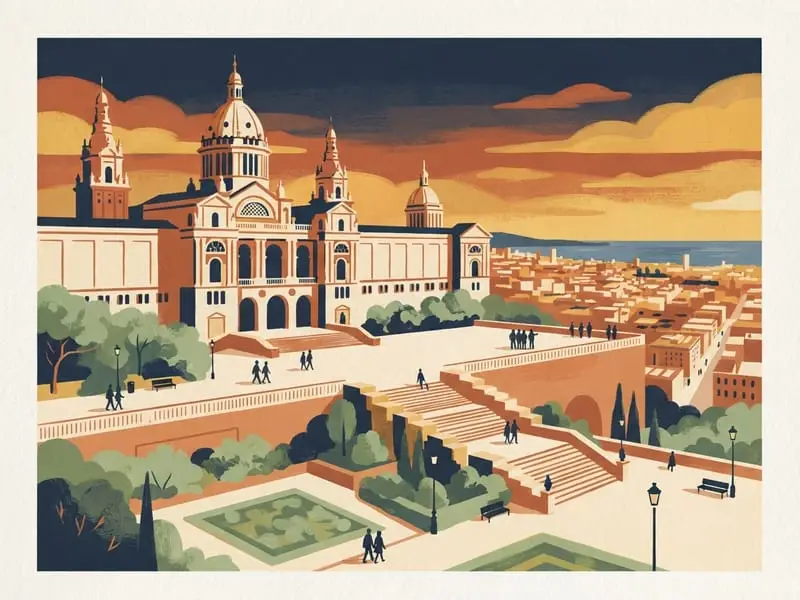 €2
€2A €2 basic ticket lets you into the Palau Nacional building and up to its rooftop viewpoint, without the art collection.
The cheapest high view in the city, over Plaça d'Espanya and out to Tibidabo. Go an hour before closing for the softer light.
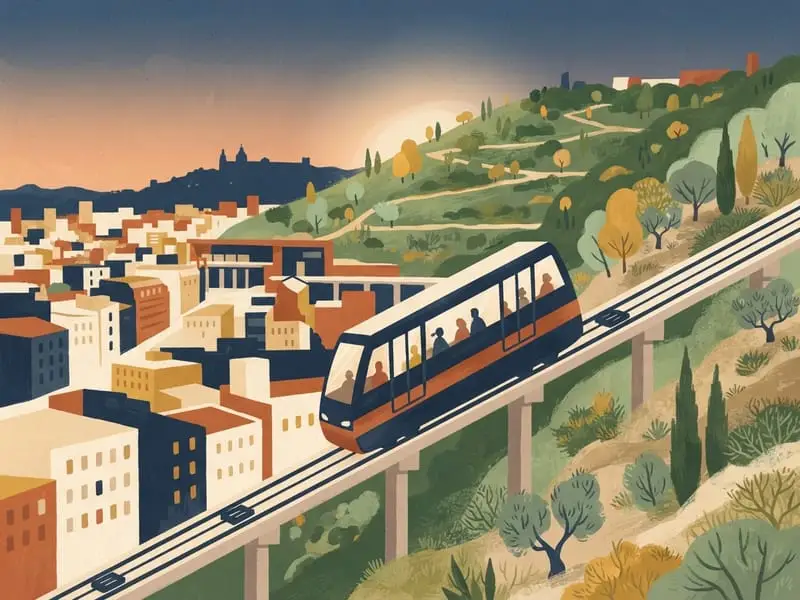 €2.90
€2.90The funicular from Paral·lel metro station climbs Montjuïc in two minutes and counts as an ordinary metro ride, covered by a single ticket or a T-casual journey.
Use it to save your legs on the way up, then walk down through the gardens. Do not confuse it with the cable car beside the top station, which costs many times more.
Source: TMB
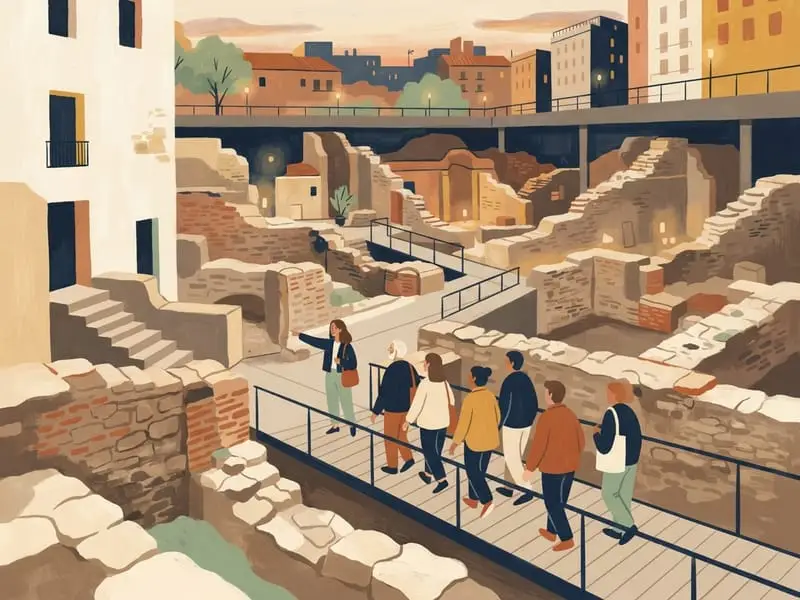 €4.20
€4.20The walkways above the 1714 ruins are free, but this guided visit takes you down among the house walls and street paving.
Worth it if the free view from above made you curious. Check tour times and languages on the MUHBA page before you go.
Source: MUHBA
What you can eat or drink for nothing, and the local classics that cost very little.
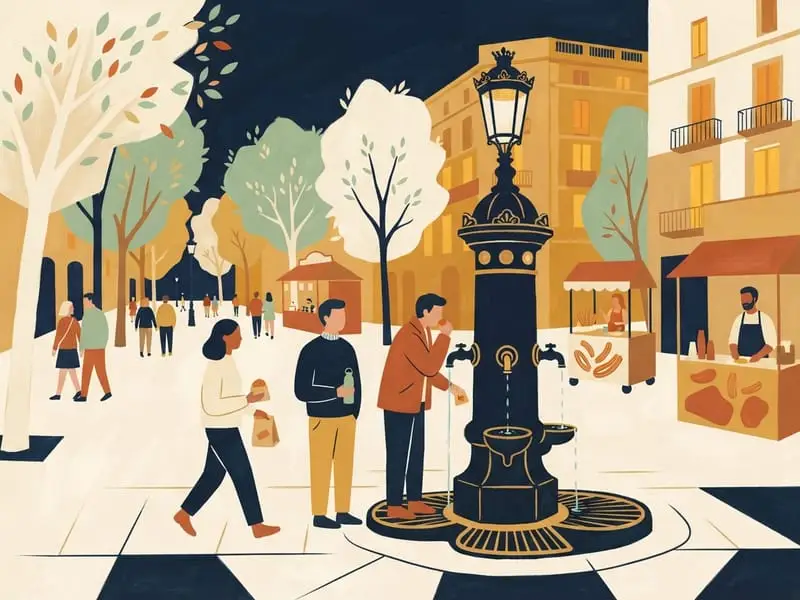 Free
FreeA cast-iron drinking fountain with four spouts at the top of La Rambla. The saying goes that whoever drinks from it comes back to Barcelona, and Barça fans gather here after wins.
Any time. Fill your bottle before walking down La Rambla
Source: Turisme de Barcelona
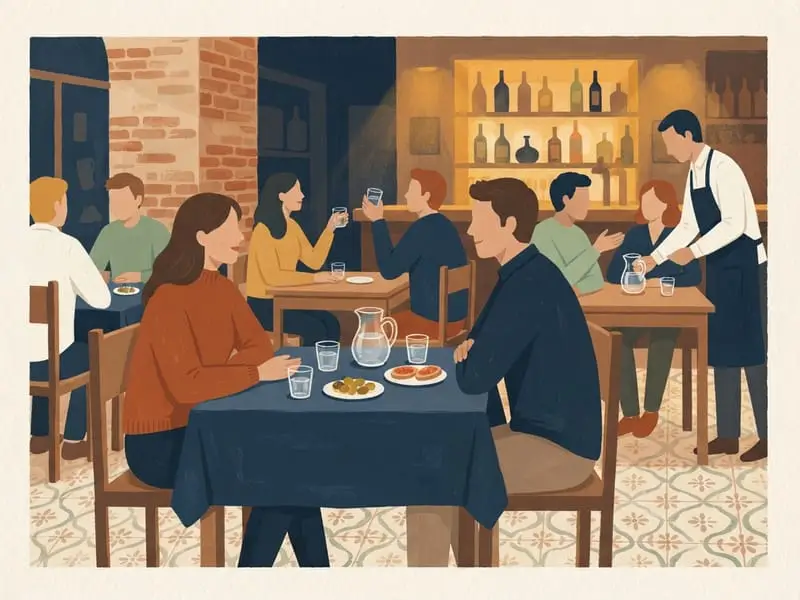 Free
FreeSpanish law obliges bars and restaurants to offer customers unbottled tap water at no charge. Ask for "aigua de l'aixeta" instead of a paid bottle.
Whenever you order food or a drink. Waiters rarely offer it, so ask
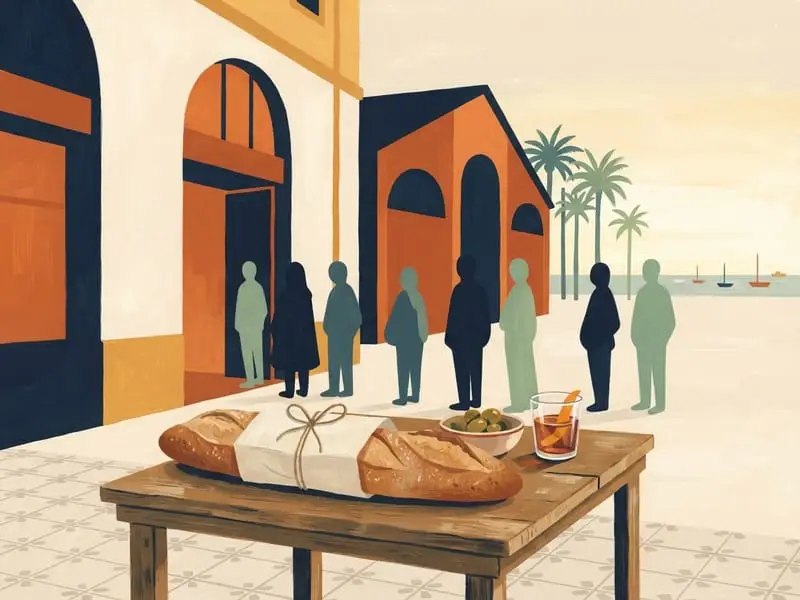 €1.45
€1.45Baluard is the bakery Barcelona queues for, beside the Barceloneta market. A sourdough baguette is the base of a beach picnic for two.
Mornings are best, before the popular loaves sell out
Source: Baluard Barceloneta
What opens, what closes and which free events come back each year.
Not for visitors. A ticket costs €18 and the whole park is behind gates. Only registered Barcelona residents, children up to 6 and people with disabilities enter free, and the early and late hours are reserved for neighbors.
From 15:00 every Sunday: MUHBA Plaça del Rei, Museu Frederic Marès, Museu Marítim, Montjuïc Castle, the Botanical Garden, Monestir de Pedralbes and the CCCB. On the first Sunday of the month most of them are free all day, along with MNAC, MACBA, Museu Picasso and Palau Güell.
Yes. After the drought shutdown the shows are back. In October 2026 they run Thursday, Friday and Saturday at 21:00 and 21:30, and the days change with the season, so check the city's schedule page.
Yes, the hilltop is open access and free. The city has fenced the summit and restricts it at night after complaints from neighbors, so go by day and follow the posted hours at the gates.
Not for sightseeing. The tourist visit costs €16. People attending mass are not charged, but that is not a visit.
No free slot exists for visitors and nothing else in the city looks like the inside: a forest of branching columns washed blue in the morning and orange in the late afternoon. Book a timed ticket weeks ahead and skip the tower add-on if money is tight.
Everything above is free. This is the only paid pick on the page, chosen because no free option replaces it.
See tickets and prices